Table of Contents
ToggleAn 11×11 cube storage bin isn’t just another organization gimmick, it’s a practical solution that works because it solves a real problem: most storage systems force you to choose between durability, aesthetics, and affordability. A single 11×11 cube has enough volume to hold books, seasonal clothing, electronics, or garage tools, yet stacks neatly with others to create a modular system that adapts to your space rather than demanding you adapt to it. Whether you’re organizing a bedroom closet, a living room media center, or a cluttered garage, these bins offer a straightforward path from chaos to order. This guide walks you through choosing the right bins, figuring out where they belong in your home, and keeping your system working long-term.
Key Takeaways
- 11×11 cube storage bins hit the ideal size sweet spot—large enough to organize meaningful quantities of books, clothing, or tools without becoming unwieldy or difficult to access.
- Choose fabric bins for visible, aesthetic spaces like bedrooms, plastic for durable garage storage, and wood for living rooms where style matters; most homes benefit from a mixed-material approach.
- Strategic placement throughout your home maximizes functionality: use 11×11 cube bins in bedroom closets for seasonal clothing, living rooms for media organization, garages for tool storage, and kids’ rooms with color-coded systems.
- Proper maintenance and labeling are essential for long-term success—label all contents, avoid overfilling bins beyond 85% capacity, and rotate heavy items to lower shelves to preserve system stability.
- A modular 11×11 cube storage system adapts to any space without requiring rearrangement of your home, making it ideal for apartments, townhouses, and houses that need flexible organization solutions.
Why 11×11 Cube Storage Bins Are a Game-Changer for Home Organization
The standard 11×11 cube works because it hits a sweet spot: it’s large enough to hold meaningful amounts of stuff without becoming unwieldy. Unlike smaller cubes that fill up instantly or larger totes that become heavy and awkward to lift, an 11×11 cube accepts folded clothing, a stack of hardcover books, or a bundle of tools without requiring you to crane your neck into a bottomless pit.
These bins also encourage real categorization. You’re not just shoving things into an amorphous garage pile: you’re assigning categories, holiday decorations in one cube, craft supplies in another, winter sports gear in a third. That intentionality reduces the friction of putting things away and finding them later. When everyone in your household knows that board games live in the cube on the second shelf of the unit near the living room, the system actually sticks.
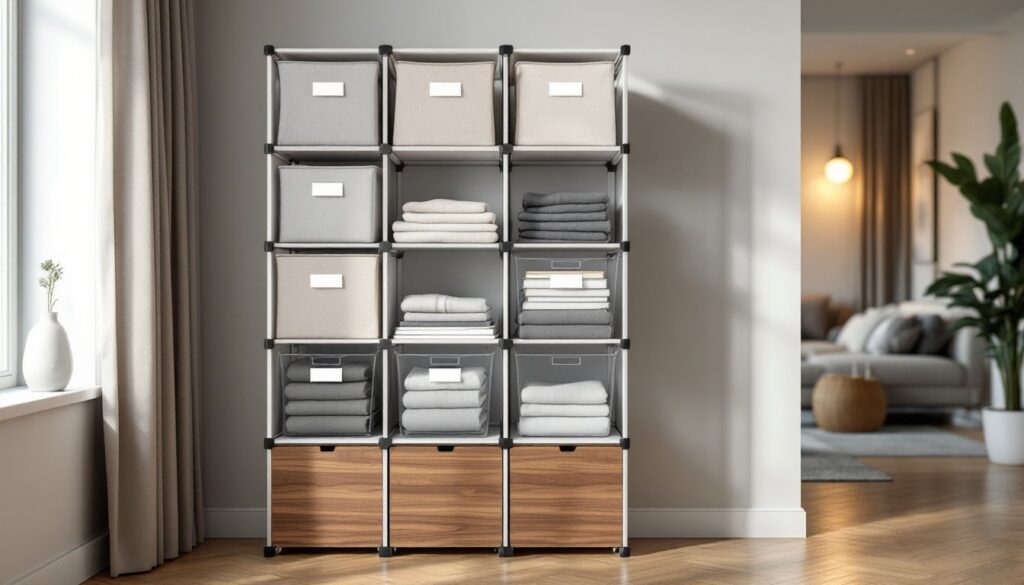
Another advantage is flexibility. A modular cube storage system works in apartments, townhouses, and full houses. You can start with a 2×3 unit and expand to 3×4 later. You’re not locked into a specific footprint or locked out of rearranging. And because 11×11 bins come in fabric, wood, and plastic, you can match your décor without sacrificing function, a practical storage solution doesn’t have to look industrial or utilitarian.
Choosing the Right Material and Style for Your Space
Fabric, Wood, and Plastic Options Compared
Fabric bins are the most common and approachable option. They’re lightweight, affordable (typically $10–$30 per bin), and come in colors and patterns that work in visible storage areas. Look for bins made from polypropylene or canvas with reinforced corners and handles. The downside is durability, after two to three years of regular use, the fabric can show wear, especially on edges. Fabric also absorbs dust and moisture, so they’re not ideal for damp basements or garages without climate control.
Plastic bins are your workhorse option. Heavy-duty polypropylene or polycarbonate bins resist moisture, are easy to wipe clean, and last longer than fabric. They’re also typically less expensive ($8–$20 per bin), though heavier than fabric. The trade-off is aesthetics, plastic usually reads as utilitarian. For a garage or utility room, that’s fine. For a bedroom or living room, you’ll want to hide them behind a closed door or cabinet face.
Wood cubes or cube inserts offer the highest visual polish. Whether built-in shelving or standalone modular units, wood blends into residential décor. But, solid wood is pricey ($40–$100+ per cube), and engineered wood alternatives (MDF, particleboard) are cheaper but less stable over time and vulnerable to moisture. Wood also requires finishing or regular dusting to look intentional.
For most DIYers, combination systems work best: plastic bins in the garage, fabric in a bedroom or kids’ room, and a mix in a living room closet. The 11×11 cube storage bins available at retailers like Home Depot let you mix and match without commitment to a single material.
Practical Ways to Use 11×11 Cube Bins Throughout Your Home
Bedroom, Living Room, and Garage Solutions
Bedroom closets benefit from fabric or wood cubes organized by category: out-of-season clothing, shoes, bags, and linens. Stack two rows of cubes at eye level along one wall. Use baskets or dividers inside each cube to keep similar items grouped (socks and undergarments in one section, sweaters in another). This approach works especially well for small bedrooms where a traditional dresser consumes too much floor space.
Master bedrooms and guest rooms often have closet shelves with deep, unused space above the clothes rod. An 11×11 cube unit that spans that upper shelf reclaims dead space for off-season storage without cluttering the visual field when the closet door opens. Use opaque fabric bins to hide contents and maintain a clean look.
Living room media centers are where visual style matters. Cube units flanking a TV or filling a built-in bookshelf are on display daily. Here, wood or finished fabric bins work better than plastic. Organize by content: hardcover books in one cube, DVDs or gaming consoles in another, throw blankets and pillows in a third. Consistency in styling, matching colors, handle styles, and organizational labels, elevates the whole room.
Kids’ rooms are ideal for bright, colorful plastic or fabric cubes. Color-code by toy category: blocks in red, figurines in blue, dolls and accessories in yellow. Kids are more likely to put toys away if the visual system is intuitive. Plus, plastic and sturdy fabric cubes survive the rough handling kids dish out.
Garage storage is where you can go utilitarian. Stack plastic cubes floor-to-ceiling on one wall. Dedicate sections to hand tools, power tool bits and blades, automotive supplies, seasonal decorations, and sports equipment. Use labels on the bin edges so you can read what’s inside from across the garage. This saves the time otherwise spent hunting for one specific wrench or light string.
Home offices and craft rooms work well with a mix of cubes: open wood or fabric for supplies you access weekly, closed plastic bins for archived documents or off-season project materials. Keep the active materials at arm’s level and archive below or above.
Pro Tips for Organizing and Maintaining Your Cube Storage System
Start by measuring your space. An 11×11 cube is genuinely that size, 11 inches wide, 11 inches deep, 11 inches tall, but when stacked in a unit, the frame adds another 1–2 inches per cube in height. A 3×3 unit (nine cubes) measures roughly 35 inches wide, 35 inches deep, and 35–37 inches tall. Ensure your wall or floor space accommodates that footprint before purchase. Check weight capacity: a solid wood frame rated for 600 pounds total load is more reliable than particle board rated for 400.
Label everything. Use a label maker or waterproof tape to mark bin contents. This sounds obvious, but it cuts frustration dramatically when a family member or your future self needs something. Label the front and spine so you can read contents even when bins are stacked tightly.
Don’t overfill. An 11×11 bin can technically hold a lot, but when every bin is packed solid, nothing slides out smoothly and you lose the ability to see what’s where. Leave 10–15% of capacity as working room. Overstuffed bins collapse prematurely and become frustrating to access.
Rotate heavy items to lower shelves. A cube full of books or tools belongs on the bottom row, not stacked three high. Top cubes should hold lighter, less-accessed items. This protects the stability of your entire unit and prevents accidents.
Clean fabric bins annually. Wipe them down with a dry brush or soft cloth to remove dust. If they get damp, dry them completely before refilling. Moisture trapped in fabric invites mold and odor, especially in closets.
Inspect plastic bins for cracks every six months if they’re in a garage or outdoor-adjacent space. UV light and temperature swings can make plastic brittle. Replace cracked bins before contents spill or collapse.
Resources like Ana White’s DIY furniture plans offer cube shelving designs if you’d rather build a custom frame, and Instructables features detailed storage projects that pair well with bin systems. Martha Stewart’s organization guides also cover styling visible storage with tasteful, intentional curation.
Conclusion
An 11×11 cube storage bin system isn’t flashy, but it’s honest: put thought into material choice, place the cubes where they belong, label and maintain them, and your space stays organized without constant mental overhead. The best storage solution is one you actually use, and this one earns its place in real homes.