Table of Contents
ToggleClutter has a way of creeping into every corner, closets, garages, basements, kitchens. If you’ve tried traditional closed storage and still can’t find what you need, open-front stackable storage bins might be the game-changer you’re missing. Unlike opaque containers that hide contents until you dig through them, open-front designs let you grab items instantly while keeping everything visible and organized. They stack vertically to save floor space, come in materials ranging from durable plastic to breathable fabric, and scale from small bedroom shelves to serious garage overhauls. This guide walks you through choosing, installing, and styling large stackable storage bins to transform how your home stays organized.
Key Takeaways
- Stackable storage bins with open fronts eliminate searching time by keeping contents visible and organized without opening containers.
- Rigid plastic stackable storage bins offer the best balance of durability, visibility, stackability, and cost-effectiveness ($15–$40 per bin) for most homes.
- Building vertically with stacked bins reclaims valuable floor space—a 4-foot stack uses only 2 square feet while holding 3–4 times more than a single bin.
- Always place the largest, heaviest bins at the base when stacking, and secure any configuration taller than 4 feet to a wall with L-brackets to prevent tipping.
- Open-front stackable storage bins adapt to any room—bedrooms for off-season clothes, kitchens for pantry organization, and garages for tools and supplies.
- Label each bin and coordinate colors using two or three complementary tones to transform functional storage into an intentional, aesthetically pleasing part of your home.
Why Open-Front Stackable Storage Bins Are Changing Home Organization
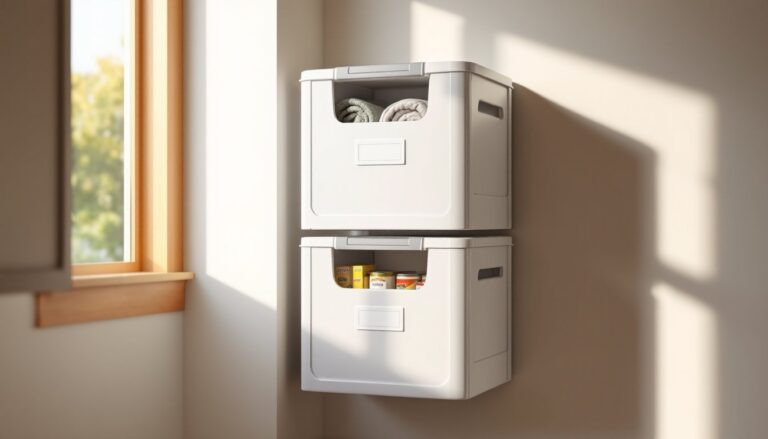
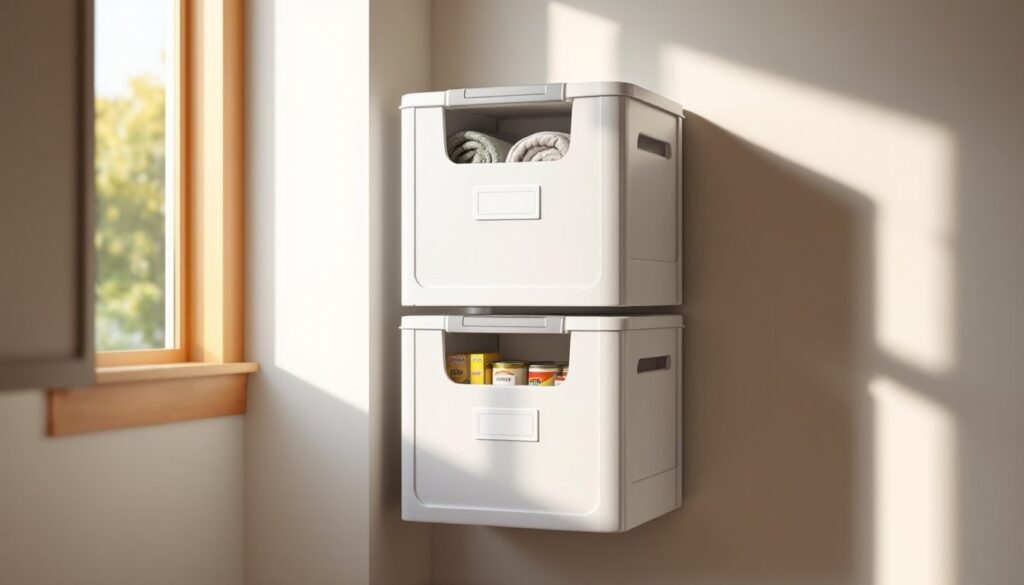
Open-front stackable storage bins solve a universal frustration: you can see exactly what you’ve stored without opening a single container. This visibility cuts searching time dramatically. No more digging through opaque bins or wrestling with lids to remember what’s inside.
Stackability is the second game-changer. By building vertically instead of spreading items across a floor, you reclaim valuable real estate, crucial in bedrooms, pantries, and apartments where square footage costs money. A 4-foot-high stack of bins takes up roughly 2 square feet but holds 3–4 times more than a single bin sitting alone.
They’re also inherently more flexible than fixed shelving. Unlike built-in cabinetry, stackable bins move between rooms, reconfigure as your needs shift, and handle seasonal rotation without commitment. Whether organizing seasonal clothes, craft supplies, or pantry overflow, they adapt to your life instead of the other way around.
Choosing the Right Material and Design for Your Space
Plastic vs. Fabric vs. Wood Options
Plastic bins dominate stackable storage for good reason. High-density polyethylene (HDPE) and polypropylene (PP) resist moisture, clean easily with a damp cloth, and tolerate temperature swings without warping. They’re lightweight, a bonus if you need to shuffle stacks frequently, and cost-effective at $15–$40 per bin depending on size and brand. The downside: plastic can feel industrial and sometimes off-gas a chemical smell in poorly ventilated spaces for the first week. Rigid plastic also chips under impact: watch corners when stacking or moving units.
Fabric bins offer softer aesthetics and breathability, making them ideal for linens, sweaters, and anything requiring airflow to prevent mustiness. Most use canvas, felt, or polypropylene blends reinforced with cardboard or plastic frames. They’re lighter than plastic but less durable, expect wear after 2–3 years of frequent access. Fabric doesn’t stack as stably without reinforced corners, and they absorb odors and dust. Price ranges $20–$50 per bin. Consider them for bedroom closets and dry storage zones, not garages or kitchens.
Wood or hybrid designs, plywood or MDF frames with fabric or slatted faces, bridge aesthetics and function. They look intentional on open shelving and integrate with modern rustic décor. The trade-off: weight increases significantly, movement becomes awkward, and moisture sensitivity requires climate-controlled rooms. Cost jumps to $40–$80+ per bin. Reserve these for permanent installations in stable environments.
For most homes, rigid plastic open-front bins strike the best balance of durability, visibility, stackability, and price. If aesthetics matter more, hybrid wood designs work on enclosed shelving units where stability isn’t tested by frequent stacking and unstacking.
Best Uses Around Your Home
Bedroom, Kitchen, and Garage Organization
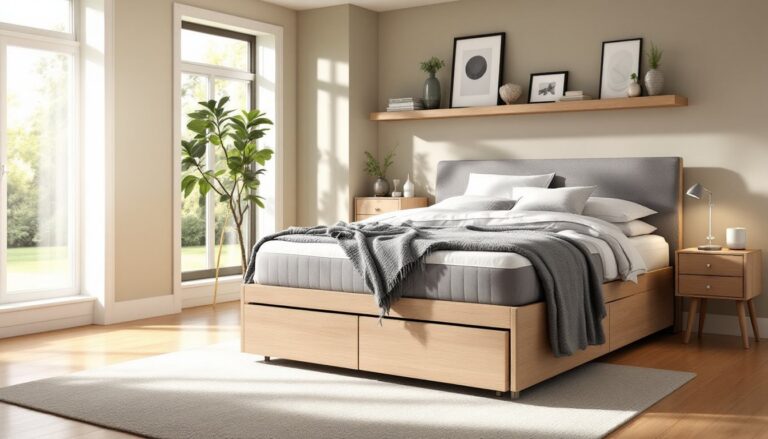
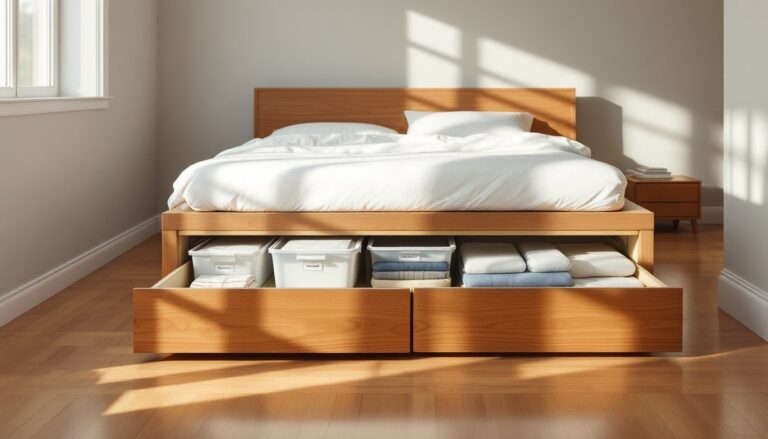
Bedrooms benefit enormously from open storage bins stacked on shelves or under bed frames. Use them for off-season clothes, rolled sweaters, or accessories. Open fronts mean you can grab a specific sweater without pulling ten others from a closed box. Clear or semi-translucent options let you identify contents at a glance. Label the front edge of each bin with a permanent marker or adhesive label for quick reference. For children’s rooms, open-front bins beat closed toy boxes, kids can see toys they want and understand where to put things back.
Kitchens often overlook stackable bins, but they’re gold for pantry organization. Group open-front plastic bins by category: grains and pasta in one stack, canned goods in another, baking supplies in a third. This method prevents duplicate purchases and keeps expiration dates visible. They also work for organizing under-sink cleaning supplies, though plastic varieties handle moisture better than fabric. Ensure bins have adequate drainage holes if storing items prone to condensation.
Garages are where open-front stackable bins truly shine. Stack them on wall-mounted shelving units or along a workbench. Use larger bins for paint supplies, automotive fluids, or tools: smaller ones for fasteners, small hardware, or seasonal decorations. Open fronts eliminate the guessing game when you need a specific item quickly. Rigid plastic excels here because garages tolerate temperature fluctuations, and bins won’t rot or attract pests if properly sealed. A single stack (four large bins) can hold the equivalent of a closet’s worth of garage clutter.
Installation and Stacking Tips for Maximum Stability
Stability is non-negotiable when stacking containers, especially tall configurations. Start with a level surface, a warped garage floor or uneven shelf invites toppling. Use a carpenter’s level to check before arranging anything.
Begin with the largest, heaviest bins at the bottom. This lowers the center of gravity and prevents tipping. Stack progressively smaller or lighter bins upward. Never reverse this order, even if the arrangement looks neater.
If stacking taller than 4 feet, secure the topmost bin to a wall stud or shelving unit with L-brackets or straps rated for at least 50 pounds. Most homeowners underestimate how quickly a child’s lean, a pet’s bump, or an accidental knock can destabilize a tall stack. Most building codes (based on IBC guidelines) recommend anchoring any storage unit taller than 48 inches in homes with children.
Check weight distribution. A single tall stack of heavy items creates a narrow footprint and a high risk of tipping. Spread weight across multiple adjacent stacks if possible. For example, two stacks of four bins each is safer than one stack of eight.
Interlocking or recessed designs (where the bottom of one bin partially nests into the frame of the one below) provide mechanical stability. Standard stackable bins often use shallow interlocks: verify they engage fully before adding weight above.
Moisture matters. In basements or damp garages, place bins on a wooden pallet or shelf rather than directly on concrete. Concrete wicks moisture upward, degrading bin bases and contents over time. Elevating bins 4–6 inches allows air circulation and prevents rot on fabric bins.
For a permanent setup, wall-mounted shelving units (rated for 200+ pounds per shelf) outperform loose stacking. They anchor bins mechanically and use vertical space without floor footprint.
Styling and Aesthetics: Making Storage Look Good
Organized storage should enhance a room, not dominate it visually. Open-front stackable storage bins offer surprising design flexibility if you’re intentional.
Color coordination is the simplest upgrade. Stick to two or three complementary colors across visible stacks rather than a chaotic rainbow. Neutrals, white, gray, black, natural wood tones, blend into most décor. Earth tones (terracotta, sage, cream) suit farmhouse or cottagecore aesthetics. Dark colors hide dust and minor scuffs better than light ones, a practical consideration in high-traffic areas.
Labels and signage transform open bins from functional clutter into purposeful organization. Use a label maker for a polished look, or hand-write on kraft paper labels for casual charm. Front-facing labels on each bin eliminate the “what’s in that bin?” mystery and train household members to return items correctly. Consistent font or label style reinforces intentionality.
Fabric draping or backing can soften the look of rigid plastic bins. If bins sit behind an open shelving unit facing a bedroom or living area, drape a neutral fabric panel behind them or add a thin plywood backing painted to match your trim. This creates visual separation without blocking visibility.
Styling with plants and décor. If your open-front bins sit on shelving you can’t hide, position a small potted plant or framed photo on top of a stack to humanize the storage. Keep these accent items minimal, the goal is organized storage, not display shelving masquerading as storage.
For inspiration, platforms like Young House Love showcase budget-friendly storage solutions and room makeovers that blend function and design. Addicted 2 Decorating offers DIY decor projects and painting tutorials that can refresh dated storage areas. Whether you choose minimalist white bins or warm wood hybrids, consistency in material and finish across a visible area creates a cohesive, intentional look rather than a cluttered warehouse.
Putting It All Together
Open-front stackable storage bins solve the age-old problem of invisible clutter. They combine visibility, vertical efficiency, and flexibility, three traits closed storage simply can’t match. Material choice depends on location and aesthetics: plastic for durability and ease, fabric for softness and breathability, wood for intentional design. Stability requires a level surface, weight at the base, and anchoring for anything taller than 4 feet. Smart styling with consistent colors and clear labeling transforms bins from utilitarian to intentional.
Start small. Pick one room, a closet, garage corner, or pantry, and experiment with a few bins. Most homeowners discover they can’t imagine returning to closed storage once they experience the speed and satisfaction of organized, visible bins. The Storage Bins Home Depot carries a range of stackable storage bins and open-storage options suited to every space. Your organized home is just a few stacks away.