Table of Contents
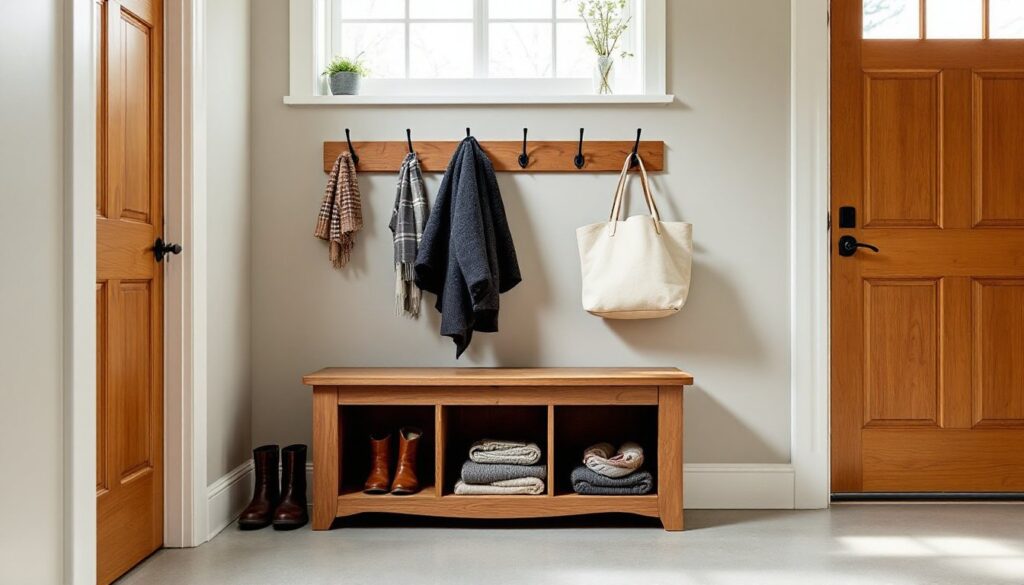
ToggleYour entryway is prime real estate, the first thing guests see, and the last thing you grab before heading out the door. An entryway bench with storage and hooks solves a common problem: clutter. A well-chosen bench consolidates coat storage, shoe organization, and seating into one functional piece, freeing up floor space and creating a polished first impression. Whether you’re working with a galley foyer or a sprawling mudroom, the right bench transforms chaos into order while adding style. This guide walks you through what makes these pieces worthwhile, what to look for, and whether to buy or build.
Key Takeaways
- An entryway bench with storage and hooks consolidates coat storage, shoe organization, and seating into one functional piece, eliminating clutter and freeing up floor space.
- Prioritize seat height (18–20 inches), depth (14–16 inches minimum), sturdy hooks, and weight capacity (300–400 pounds) when selecting your entryway bench.
- Solid wood and quality plywood with veneer offer durability in fluctuating entryway conditions, while upholstered seats and MDF require careful maintenance or climate considerations.
- Position your entryway bench perpendicular to the door with 24–30 inches of clearance to maximize functionality without blocking traffic or creating obstacles.
- A well-designed entryway bench with storage and hooks raises perceived home value and creates a polished first impression that signals attention to detail.
- Pre-made benches offer convenience and warranty support, while DIY benches provide customization and cost savings of $150–$400 for materials if you have woodworking skills.
Why An Entryway Bench With Storage And Hooks Is Worth The Investment
An entryway bench with storage and hooks isn’t a luxury, it’s a practical solution that pays for itself in functionality. Most homes struggle with the same problem: coats piled on chairs, shoes scattered on the floor, and nowhere to sit while tying your boots. A bench solves all three.
The storage compartment (typically under the seat) holds seasonal gear, gloves, and umbrellas out of sight. Hooks mounted on the frame or wall above the bench keep jackets, bags, and dog leashes accessible but off the floor. The seat itself gives you a place to sit while donning shoes, something you don’t realize you need until you have it.
From a design standpoint, a cohesive entryway piece anchors the space. Instead of a mismatched collection of furniture, you get a single, intentional focal point. This visual clarity makes your home feel more organized before guests even step inside. Functionally, every square inch serves a purpose, which matters when square footage is limited. A bench with hooks and storage compresses what might otherwise require a coat rack, shoe shelf, and separate seating into one compact footprint.
Space efficiency aside, these pieces raise the perceived value of your home. A well-appointed entryway suggests that the rest of your home is equally thoughtful. Real estate agents know this: first impressions matter, and an intentional entryway sends a signal that you care about details.
Key Features To Look For When Choosing Your Entryway Bench
Not all entryway benches are created equal. Before buying or building, prioritize these features based on your household’s needs.
Seat height and depth matter more than you’d think. A standard bench seat sits 18 to 20 inches high, which is comfortable for sitting and tying shoes without your knees hitting your chest. Depth should be at least 14 to 16 inches so you can actually sit without perching on the edge. If you’re tall or have a narrow hallway, measure your space first: an oversized bench becomes an obstacle.
Storage capacity depends on what you’re storing. A single lift-top compartment works for light items like scarves and mittens. If you have kids, boots, or outdoor gear for multiple seasons, look for a bench with subdivisions, drawers, or a deeper cavity. Open shelving below the seat costs less to manufacture but exposes contents: closed storage keeps things hidden but is harder to access.
Hooks should be sturdy and positioned high enough that coats don’t drag on the seat. Four to six hooks is typical: more than that crowds the space. Stainless steel or powder-coated hooks resist rust and wear. Avoid cheap plastic-capped versions that crack in cold climates.
Weight capacity is critical if multiple family members will sit on the bench simultaneously. Quality benches handle 300 to 400 pounds: cheaper models max out around 200 pounds. This matters if you have teenagers or if you’re sitting while putting on boots.
Material And Durability Considerations
Your entryway faces temperature swings, moisture from wet coats, and the daily scuff of shoes and bags. Material choice determines how long your bench lasts.
Solid wood (oak, maple, pine) is durable and timeless but needs finish protection. Unfinished wood stains easily and swells if exposed to humidity. A polyurethane or lacquer topcoat adds cost but prevents water damage and staining. Softwoods like pine are cheaper but scratch easily: hardwoods cost more but wear better.
Plywood with veneer offers stability at lower cost. Because plywood resists warping better than solid boards, it’s ideal for entryways where temperature and humidity fluctuate. Veneer is a thin layer of attractive wood glued to plywood: cheaper pieces use vinyl veneer, which peels over time. Quality veneer lasts decades if not heavily abused.
Upholstered seats add comfort but trap moisture and dirt. In high-traffic entryways, leather or performance fabric (like Crypton or Sunbrella) handles spills and grime better than cotton or linen. If you live in a dry climate, standard upholstery is fine: if humidity or wet shoes are frequent, skip upholstery or accept reupholstering as part of long-term maintenance.
Metal or MDF frames with laminate surfaces are budget-friendly and water-resistant but look less premium. MDF (medium-density fiberboard) works for covered storage compartments but shouldn’t be exposed, moisture causes it to swell and delaminate. Powder-coated steel frames last forever but conduct cold, making metal seats uncomfortable in winter.
Design Styles That Match Any Home Decor
An entryway bench must fit your home’s aesthetic. A rustic farmhouse bench looks out of place in a minimalist apartment, and a sleek mid-century piece clashes with traditional molding.
Farmhouse benches feature reclaimed wood, visible hardware, and often a weathered or whitewashed finish. They pair well with shiplap, vintage coat hooks, and natural textiles. These benches typically have a lower, broader profile and generous storage beneath.
Mid-century modern benches emphasize clean lines, tapered legs, and minimalist hardware. Natural wood or walnut finishes complement this style. Storage is often hidden or integrated subtly: the focus is on form and proportion.
Transitional benches blend traditional and contemporary elements, think solid wood with a streamlined silhouette and understated hardware. These work in almost any setting because they don’t commit to a single aesthetic.
Industrial benches incorporate metal frames, exposed bolts, and salvaged wood. They suit loft-style or eclectic homes and pair well with pipe-based coat racks.
Traditional benches echo period furniture, often with paneled doors, ornate hardware, and dark stains. They suit homes with baseboards, crown molding, and classic architectural details.
When choosing a style, consider your flooring, wall color, and existing furniture. A bench doesn’t have to match everything, but it should feel intentional. If unsure, transitional or farmhouse styles are forgiving because they work across multiple aesthetics.
Where To Place Your Entryway Bench For Maximum Functionality
Location determines whether your bench becomes a workhorse or a decorative afterthought.
The primary entry door is the obvious choice. Position the bench perpendicular to the door so you have room to swing it open without hitting the seat. Leave at least 24 to 30 inches of clearance in front of the door so it opens fully. The bench should be visible from outside: this signals good organization to visitors before they enter.
Hallways or mudrooms work if you have the depth. A bench against a wall doesn’t block traffic and creates a designated drop-off zone for bags, coats, and shoes. Make sure there’s room to open storage compartments without bumping into adjacent furniture.
Under a window adds natural light and breaks up blank walls. If your entryway has a window, bench placement here creates a cozy nook and provides a view while sitting.
Wall hooks above the bench should align with the seat height plus 12 to 18 inches. This positions coats at eye level and prevents them from dragging. If your walls are plaster or drywall, use toggle bolts or heavy-duty anchors: traditional drywall plugs won’t hold weighted coats and bags over time.
Consider traffic flow. Don’t block the path to a staircase or hallway. Your household should be able to grab a coat without stepping around obstacles or moving the bench. If you have limited space, measure your entryway dimensions and test a bench’s footprint with cardboard or tape before committing.
DIY Versus Pre-Made: Which Option Is Right For You
Building an entryway bench demands carpentry skills, tools, and time. Buying one is convenient but comes with cost and limited customization.
Pre-made benches offer speed and warranty support. You unbox, assemble legs or attach hardware, and use it. Quality varies wildly, big-box retailers sell affordable benches that last 3–5 years: furniture makers produce pieces lasting decades. Pre-made benches suit people without workshop space or tool access. Downsides: limited size and style options, potential assembly headaches, and often-thin materials that don’t handle heavy use.
DIY benches let you customize dimensions, materials, and style. Build a bench 42 inches wide instead of a standard 36 inches to fit your space exactly. Choose premium wood, solid construction, and a finish that matches your home. Downsides: this takes 20–40 hours, requires a circular saw or miter saw, a drill, a level, and basic joinery knowledge. Mistakes are expensive, a warped board or miscalculated width means starting over or living with a mediocre result.
If you’ve built furniture before or completed home projects successfully, DIY is rewarding. Resources like Ana White’s free woodworking plans offer clear plans and materials lists. The Handyman’s Daughter and Instructables provide video guidance for beginners. Budget $150–$400 for materials, depending on wood quality.
If woodworking intimidates you, buy a quality pre-made bench from a mid-range furniture retailer. It’ll cost more upfront ($400–$800 for solid construction) but saves frustration and delivers reliable results. You can always paint or refinish a store-bought bench to match your décor, that’s well within beginner DIY territory.
A hybrid approach: buy a basic pre-made bench and upgrade with additional home storage hooks or custom finishes. This gives you convenience with personalization. Whatever route you choose, invest in quality. A cheap bench that wobbles or fails after two years costs more in replacement than a solid $600 piece bought once.
Conclusion
An entryway bench with storage and hooks transforms a neglected corner into an organized, intentional space. Start by measuring your entryway and identifying what you actually need to store, shoes, coats, bags, or seasonal gear. Prioritize sturdy construction, appropriate height, and materials that handle moisture and foot traffic. Whether you build or buy, choose a style that complements your home’s aesthetic. The investment pays dividends in daily convenience and the quiet confidence that comes with an organized home.