Table of Contents
ToggleClutter has a way of creeping into every corner of a home, closets, garages, basements, attics, and under beds. When loose items pile up without containment, spaces feel chaotic and smaller than they are. Storage bins with lids solve this problem by providing secure, organized spaces for everything from seasonal clothes to holiday decorations. Whether you’re tackling a one-room refresh or overhauling your entire home’s organization system, the right bins make all the difference. This guide walks you through selecting, locating, and using storage bins with lids to reclaim your space and maintain it.
Key Takeaways
- Storage bins with lids protect your belongings from dust, moisture, pests, and spills while making spaces feel more organized and intentional.
- Plastic storage bins are affordable and stackable, clear options let you see contents instantly, while opaque bins hide items and work well for visible closet spaces.
- Storage bins with lids are available year-round at home improvement stores, retailers like Target and Walmart, and online platforms, with better deals during end-of-season sales.
- Organize by category (seasonal, sentimental, utility, hobby) and label bins on multiple sides to ensure easy retrieval, even when bins are stacked or in dim lighting.
- Stack heavier items on lower bins, limit stacking to 4-5 units high, and use vertical space in closets and garages to maximize organization without wasting floor space.
Why Storage Bins With Lids Matter for Home Organization
Storage bins with lids aren’t just convenient, they’re essential for functional home organization. Lids protect contents from dust, moisture, pests, and accidental spills, which loose boxes simply can’t do. This is especially important in garages, basements, or attics where temperature and humidity fluctuate. A lidded bin keeps your winter coats fresh and your old documents dry.
Beyond protection, lids create visual clarity. When everything is contained and stacked neatly, your space instantly feels larger and more intentional. You can see what’s stored and where, reducing the annoying moment when you can’t remember if those holiday lights are in the hall closet or the attic. Labeled bins with lids transform chaotic storage areas into systems you can actually use.
From a practical standpoint, bins are stackable, movable, and reusable. Once you invest in quality containers, you can reorganize as your needs change, moving things between rooms, rotating seasonal items, or shifting contents entirely. Unlike built-in shelving, bins are flexible solutions that work with your life, not against it.
Types of Storage Bins With Lids to Consider
Plastic Storage Bins
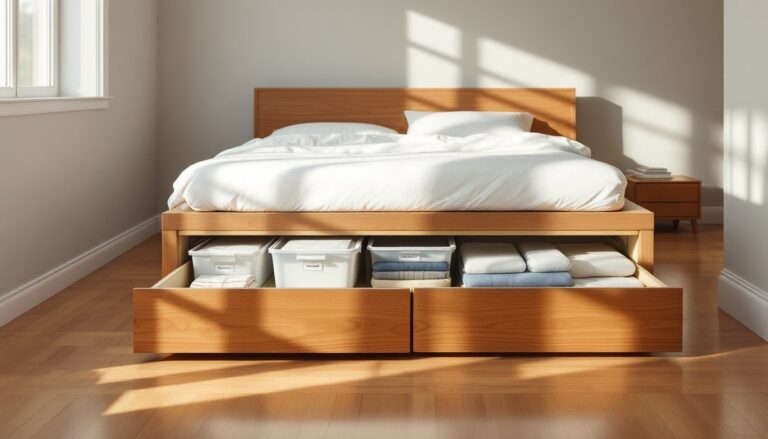
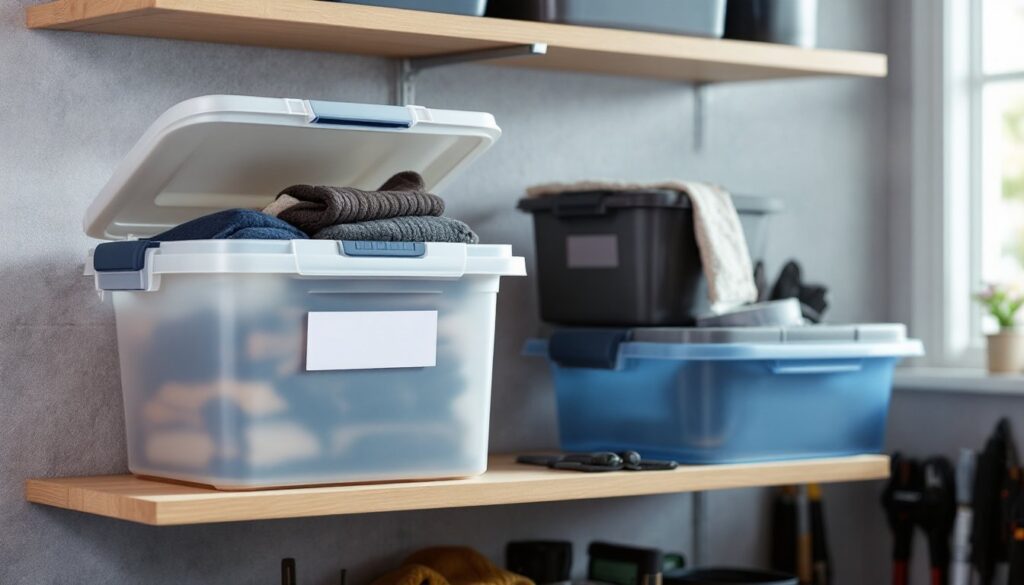
Plastic bins are the workhorse of home organization. They’re lightweight, affordable, durable, and come in dozens of sizes. Clear plastic bins let you see contents at a glance without opening them, invaluable when you’re hunting for something specific. Opaque plastic bins hide unsightly items and are ideal for under-bed storage or visible closets where appearance matters.
Plastic bins resist moisture better than cardboard, making them perfect for damp basements or garages. Heavy-duty plastic (typically polypropylene or polyethylene) withstands temperature swings and stacking weight without cracking. Stack height matters: most quality plastic bins safely stack 3–4 units high when empty, but load-bearing capacity drops when full, so don’t exceed manufacturer guidelines. Common sizes range from small 6-quart bins for desk supplies up to 50+ quart behemoths for seasonal clothing. Rubbermaid, Sterilite, and similar brands dominate this category, and for good reason, they’re tested for durability and reliability.
Metal and Fabric Options
Metal storage bins bring industrial style and serious durability to garages, workshops, or utility rooms. Steel bins resist rust if powder-coated properly, and they handle weight better than plastic. They’re less stackable than plastic and typically more expensive, but they last decades. Galvanized or enameled metal is your best bet for areas prone to moisture.
Fabric bins with rigid frames offer a softer aesthetic suited to bedrooms, closets, and living spaces. They collapse for storage and fold flat when not in use, saving space. Canvas or cotton blends are more durable than flimsy polyester, and darker colors hide dust better. The trade-off: fabric bins aren’t airtight like plastic, and they’re trickier to clean. Expert-tested options reviewed on Good Housekeeping and Martha Stewart’s site include both plastic and fabric choices, so explore what matches your space and style before buying in bulk.
Where to Find Storage Bins With Lids Nearby
Finding storage bins with lids nearby is easier than ever. Home Depot, Lowe’s, and Menards stock entire aisles of bins year-round, and staff can point you to specific sizes or help you load bulk quantities. Target, Walmart, and container-focused retailers like The Container Store carry curated selections in multiple styles. Local storage and organization shops often have higher-end options and knowledgeable staff who understand regional climate needs.
If you prefer browsing before buying, visit stores in person, you can test lid fit, check for cracks, and see colors and materials up close. Size is crucial, so bring measurements of your closets, shelves, or spaces where bins will live. Buying online works well if you know exactly what you need: Amazon offers bulk deals and fast shipping, and Hearthhomevibe’s guide to storage bins provides insights into selections and features to look for.
Timing matters for pricing. End-of-season sales (late January for holiday items, late August for back-to-school) offer discounts. Warehouse clubs like Costco stock seasonal bins in bulk at competitive prices. Don’t overlook local thrift stores or Facebook Marketplace for gently used bins if budget is tight, though inspect them carefully for cracks or mold before bringing them home.
Organizing Your Home With Storage Bins and Lids
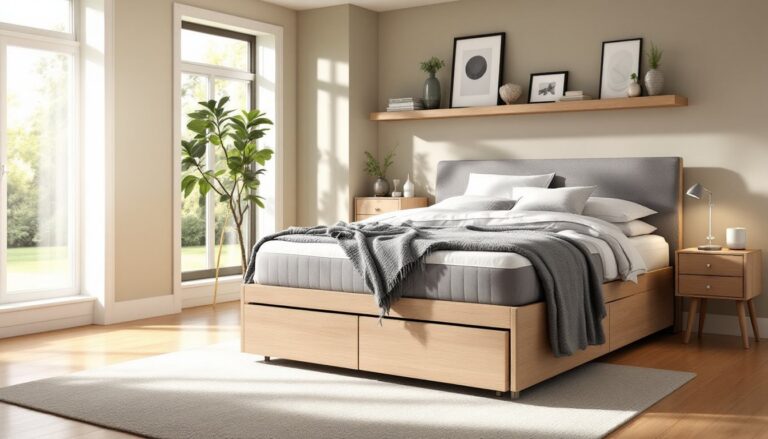
Before buying a single bin, audit what you need to store. Walk through your home and identify clutter zones, under beds, closet shelves, garage corners, basement stacks. Measure these spaces to determine bin sizes that fit. A 20-quart bin fits standard closet shelves: larger 50-quart bins work for garage floors or attic corners. Match bin dimensions to your space, not the other way around.
Sort items into categories: seasonal (holiday decorations, winter coats), sentimental (keepsakes, old photos), utility (tools, supplies), and hobby-related (craft materials, sports gear). One category per bin keeps things logical and retrievable. Label bins clearly on multiple sides using a label maker or waterproof tape, you’ll appreciate this when bins are stacked and lighting is dim.
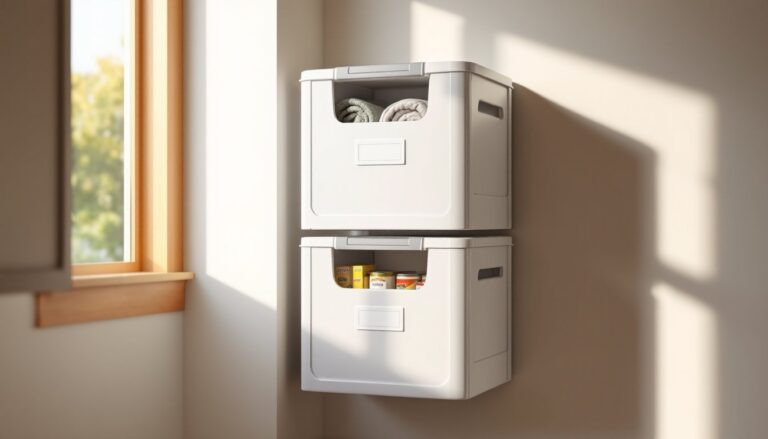
Stack strategically. Heavy items belong on lower bins: lighter ones on top. Don’t exceed 4–5 bins high unless they’re reinforced commercial-grade containers. Store frequently accessed bins at eye level or easy reach: seasonal items can go higher or deeper. Use the vertical space in closets and garages rather than spreading bins across floors, which wastes square footage.
Consider climate control. In unheated garages or damp basements, add a desiccant packet or silica gel to plastic bins to prevent moisture buildup on contents. The Spruce offers comprehensive guides on storage and organization that complement bin strategies with additional climate and preservation tips. Rotate seasonal items twice yearly, and occasionally open bins to air out contents and check for unexpected moisture or pest activity. Maintenance takes minutes but prevents expensive damage.
Conclusion
Storage bins with lids transform cluttered spaces into organized systems that work for your home and lifestyle. Whether you choose durable plastic, stylish fabric, or industrial metal depends on your space, climate, and aesthetic. Finding the right bins nearby is straightforward, and pairing them with a solid organizational strategy ensures they stay useful for years. Start small, label clearly, and adjust as your needs change. A well-organized home begins with the right containers.