Table of Contents
ToggleBedroom clutter has a way of creeping up fast, clothes, books, décor, and gadgets pile up until there’s nowhere left to put anything. Storage shelves offer a practical solution that doesn’t require gutting your room or dropping a fortune. Whether you’re working with tight corners, awkward wall space, or a blank slate, the right bedroom storage shelves can transform wasted square footage into functional, accessible storage. This guide walks you through the types of shelving available, installation best practices, and design strategies to keep your bedroom organized and visually balanced.
Key Takeaways
- Bedroom storage shelves transform wasted wall space into functional organization while freeing up floor space and reducing visual clutter in your bedroom.
- Floating shelves offer a clean modern look but work best for lighter items, while wall-mounted shelving units handle heavier loads and provide adjustable vertical storage for multiple shelves.
- Proper installation requires locating studs every 16 inches, using a level for accuracy, and securing shelves with appropriate anchors rated for your expected weight to prevent wall damage and shifting.
- Corner and over-the-door shelves maximize small bedroom layouts but are limited to lightweight items with a typical maximum of 10-15 pounds per shelf.
- Apply the 60-30-10 styling rule—60% functional items, 30% storage containers, 10% décor—to keep shelves organized and visually balanced without looking cluttered or overstaged.
- Keep heavier items on lower shelves (36-48 inches for accessibility) and coordinate shelf colors with your bedroom’s existing furniture and décor for an intentional, cohesive look.
Why Bedroom Storage Shelves Transform Your Space
Bedroom storage shelves do more than hide stuff, they free up floor space, reduce visual clutter, and make daily routines faster. Instead of rummaging through a dresser or closet, items you reach for regularly sit at eye level. Open shelving also creates an opportunity to display items thoughtfully, turning storage into part of your room’s aesthetic.
The key is matching shelf type and placement to your room’s layout and needs. A bedroom with vaulted ceilings benefits from tall wall-mounted shelving, while a small bedroom with sloped walls might call for corner or over-the-door solutions. Smart Storage Solutions: Transform your approach to what you own and where it lives, that’s where real organization happens. Shelves simply give you the framework to make it work.
Types of Bedroom Storage Shelves to Consider
Floating Shelves
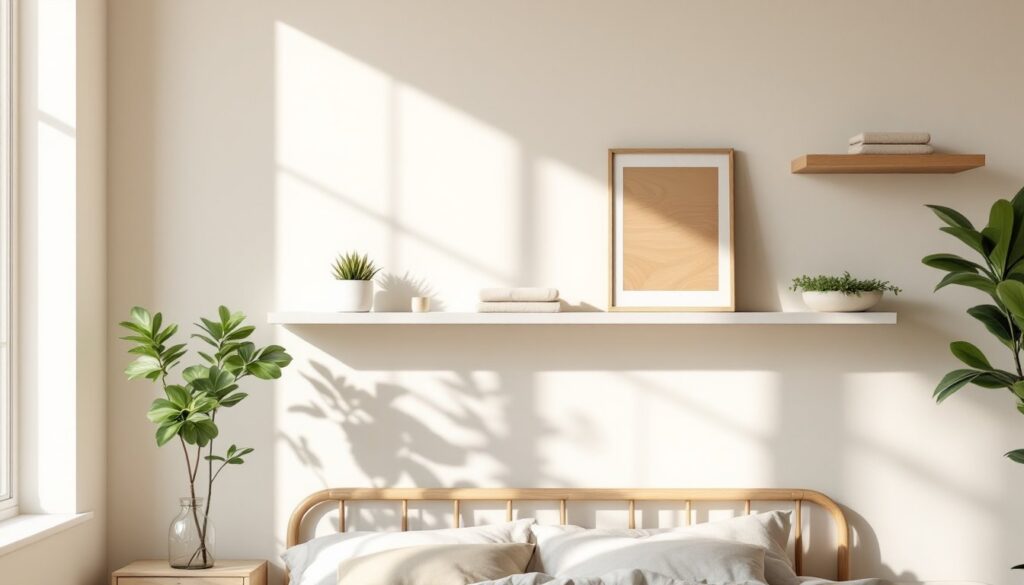
Floating shelves appear to hang without visible brackets, creating a clean, modern look. They’re anchored to wall studs using heavy-duty L-brackets or mounting hardware hidden inside the shelf body itself. Standard depths range from 8 inches to 12 inches, with lengths from 24 to 48 inches being most common for bedrooms.
Floating shelves work best for lighter items, books, framed photos, small plants, decorative boxes. For heavier loads (think stacks of winter clothing), you’ll need ¾-inch plywood or solid wood with brackets rated for 25+ pounds per shelf. Installation requires finding studs with a stud finder and using appropriate anchors: drywall alone won’t support meaningful weight. Wall damage during removal is a risk if brackets aren’t properly located and removed.
Wall-Mounted Shelving Units
These are complete systems, typically rails or standards mounted vertically to the wall, with adjustable brackets or pins holding individual shelves. Metal systems (steel or aluminum) handle heavier loads and are more forgiving if you want to rearrange later. Wood or laminate shelves on metal frames blend easily into traditional or transitional bedrooms.
Wall-mounted units excel when you need multiple shelves in a vertical run, like above a desk or along one wall. They’re adjustable, so you can space shelves 8 to 16 inches apart depending on what you’re storing. Wooden Storage Cabinets With Doors And Shelves combine shelving with concealment, useful if you want flexibility in what’s visible. These systems still require stud location and proper installation, but the distributed weight is often easier to manage than a single floating shelf.
Corner and Over-the-Door Shelves
Corner shelves capitalize on dead space and are quick wins for small bedrooms. They’re typically triangular, L-shaped, or have back panels for stability. Over-the-door models hang on the top of a standard door frame without tools, perfect for renters or anyone hesitant about wall damage. Wire Shelving: Transform Your Space with metal corner units rated for lightweight storage like socks, scarves, or small boxes.
Corner shelves work best for items you don’t access constantly. Over-the-door shelves are limited by the door’s swing and the weight of items, a maximum of 10 to 15 pounds per shelf is typical. They’re excellent for shoes, accessories, or lightweight décor, but not for dense textbooks or heavy collections.
Installation Tips for DIY Success
Before you drill, measure twice and gather these tools: a stud finder, level, drill with bits, wall anchors, pencil, tape measure, and a helper (floating shelves especially benefit from a second set of hands). Wear safety glasses when drilling overhead, dust and debris fall fast.
Step-by-step process:
-
Locate studs. Studs run vertically every 16 inches (center-to-center) in standard wall framing. Use an electronic stud finder to mark their location. Mark at least two studs for any floating shelf longer than 24 inches.
-
Find the level line. Use a level to mark a horizontal line where your shelf will sit. A laser level saves time and stays accurate over longer distances.
-
Mark pilot holes. For wall-mounted systems, mark holes for the vertical standards or brackets. For floating shelves, mark the bracket holes directly onto the stud locations you found.
-
Drill and anchor. Use a drill bit sized for your wall anchors or lag bolts. For studs, a 2½-inch lag bolt or structural screw grips solidly. For drywall-only mounting (avoid if possible), use expanding anchors rated for your shelf’s expected weight.
-
Attach hardware. Screw in brackets or standards, checking with a level as you go. Uneven shelves look sloppy and shift over time.
-
Install the shelf. For floating shelves, slide the shelf onto the brackets. For wall-mounted systems, place shelves on clips or pins, spacing them evenly.
Common mistakes to avoid: Don’t skip the stud finder, drywall anchors work for light decorative shelving, but bedroom storage needs real anchoring. Don’t assume studs are where walls meet: use your finder to confirm. Bedroom Furniture Modern often includes shelving, and matching finishes (paint, stain, metal tone) between your new shelves and existing pieces looks intentional, not random.
If you’re uncertain about load-bearing walls or want shelves in a high-traffic wall area, a licensed contractor or handyperson can confirm safety before you install. Some jurisdictions require permits for structural shelving: check with your local building department.
Design and Styling Ideas for Bedroom Shelves
Shelves only hide clutter if items are intentionally arranged. Group like items, stack folded sweaters, line up books by color, cluster small storage boxes. Leave breathing room: a shelf packed edge-to-edge looks chaotic, not organized. The 60-30-10 rule, 60% functional items, 30% storage containers, 10% décor, keeps shelves balanced without looking staged.
Material and finish matter. White or light gray shelves brighten small rooms and match modern décor. Natural wood tones warm spaces and suit traditional bedrooms. Metal-frame systems work with industrial or minimalist themes. Choose shelf colors that either blend with your walls or contrast intentionally: halfway-committed colors look uncertain.
Vertical arrangement: Shelves above a desk or nightstand create productive, accessible zones. Floating shelves at 60 to 72 inches high work for adult bedrooms: lower shelves (36 to 48 inches) suit kids’ rooms and make items easily reachable. Keep heavier items on lower shelves for stability and safety. Home Office Storage Furniture principles apply to bedroom zones too, dedicating shelf space to a single function (sleep, work, hobbies) makes rooms feel less cluttered.
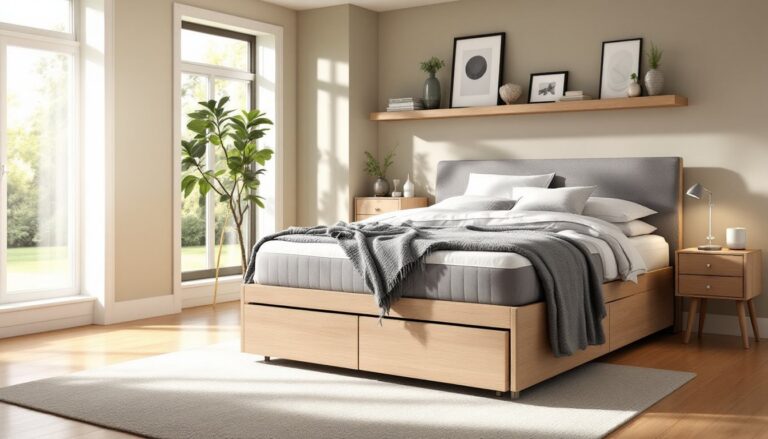
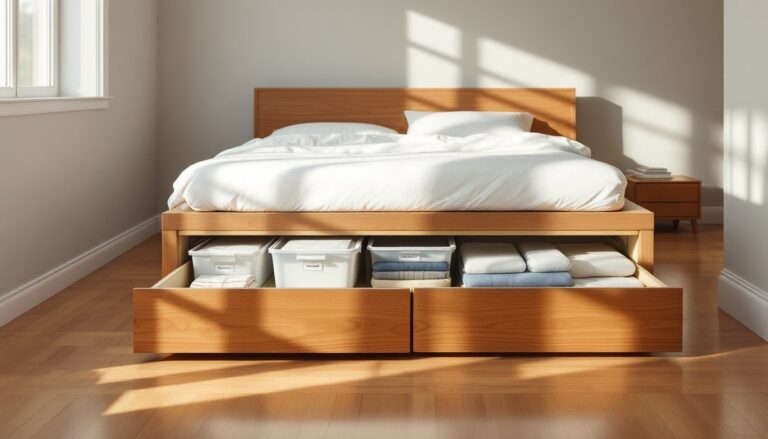
Styling tips: Alternate upright books with stacks to break up repetitive rows. Add a small plant or framed photo to humanize functional shelving. Use matching baskets or bins for items that need containment (belts, scarves, small accessories). Resources like Ana-White’s free woodworking plans offer customizable designs you can adapt to your exact space. Instructables and The Handyman’s Daughter also feature real projects from DIYers with budget constraints and varying skill levels. Full Size Storage Bed Frame options pair well with shelving, combine under-bed storage with wall shelves for layered organization that maximizes every square foot.
Finish shelves with a light coat of polyurethane or matte paint if you want them wipeable and resistant to marks. In humid climates, allow shelves to acclimate to your bedroom’s humidity for a few days before loading them to prevent warping.