Table of Contents
ToggleClutter creeps up on everyone. Whether it’s seasonal decorations shoved in a closet, kids’ toys scattered across the bedroom floor, or office supplies taking over the kitchen cabinet, disorganization drains both mental energy and usable space. Enter 13×13 storage bins, a practical, versatile organizing tool that homeowners and DIY enthusiasts are turning to for good reason. These cube-shaped containers fit standard shelving units, slide under beds, and stack efficiently in pantries, basements, and craft rooms. Unlike oversized bins that waste space or tiny boxes that require endless sorting, 13×13 storage bins strike the right balance between capacity and manageability. This guide walks through why they work, what to look for when buying, and how to use them strategically throughout your home.
Key Takeaways
- 13×13 storage bins fit standard shelving units and hold approximately 2,000 cubic inches, making them ideal for balancing capacity with manageability across bedrooms, closets, and basements.
- Choose fabric bins for visible living spaces and plastic bins for moisture-prone areas like garages and attics, ensuring durability through reinforced stitching and molded handles.
- Strategic placement under beds, in closets, and on shelving can reclaim surprising amounts of functional space while solving the ‘dead space’ problem in your home.
- Label all storage bins clearly and implement color-coding systems to reduce decision fatigue and maintain organization consistency long-term.
- Purchase 13×13 storage bins simultaneously from the same manufacturing run to ensure color consistency, which encourages sustained adherence to organizational systems.
- Budget-friendly options ($10–$25 per bin) from big-box retailers offer quality for home use, while premium bins ($50+) justify the cost through enhanced durability and aesthetic appeal in high-visibility areas.
Why 13×13 Storage Bins Are a Game-Changer for Home Organization
The standard 13×13 cube size isn’t arbitrary, it’s engineered around real home layouts. Most open shelving units and KALLAX-style bookcase grids are designed to accommodate bins of this exact dimension, which means you’re not fighting your furniture: you’re working with it. A single 13×13 bin holds roughly 2,000 cubic inches of capacity, enough for a stack of blankets, a season’s worth of decorations, or craft supplies without becoming unwieldy to lift and move.
What makes them truly transformative isn’t just size, but flexibility. You can label them, color-code them, or use transparent versions to see contents at a glance. They protect items from dust and damage, particularly important if you’re storing textiles, electronics, or anything dust-sensitive in a garage, attic, or basement. Unlike open shelving, which demands constant visual tidying, bins create a unified, finished look even when packed with oddly shaped items.
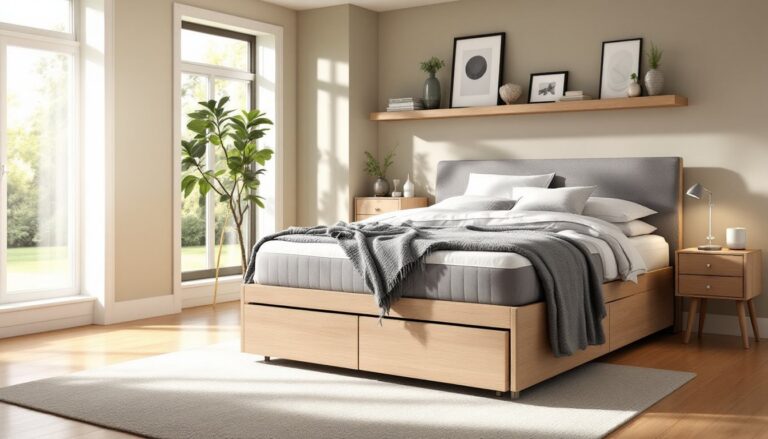
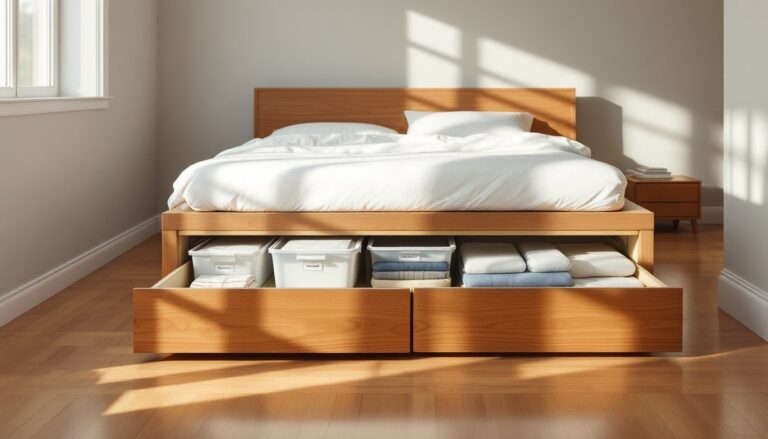
Cube storage bins also solve the “dead space” problem in closets, under beds, and in cabinet gaps. A bedroom with three coordinated 13×13 bins tucked under a queen bed instantly gains usable storage without a renovation. Homeowners often discover they can declutter an entire room by investing strategically in the right bin count and placement.
Best Materials and Durability Features to Look For
Fabric vs. Plastic: Which Works Best for Your Space
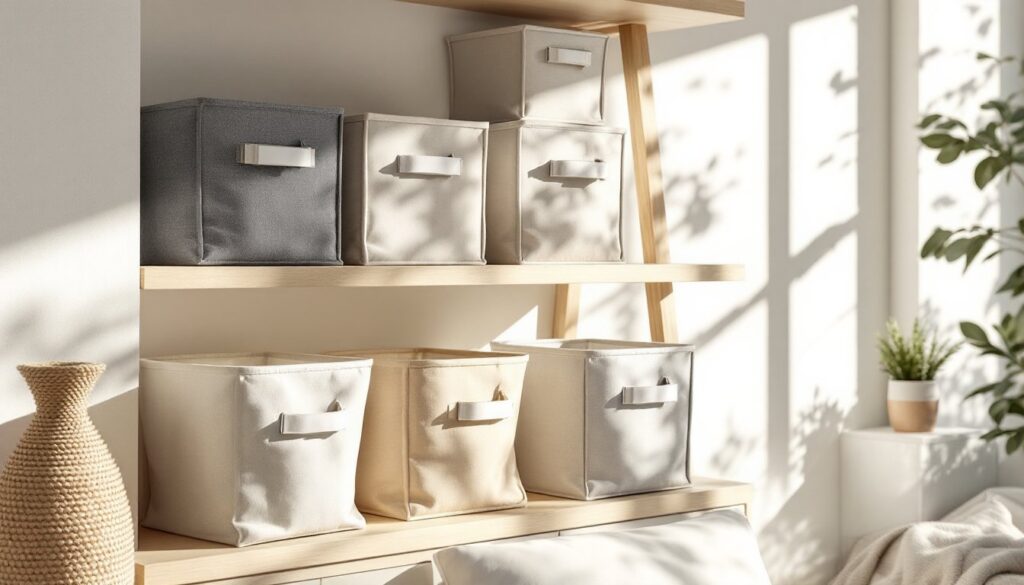
Fabric bins (usually canvas, polyester, or linen blends) and plastic bins each solve different problems. Fabric bins are lightweight, quieter to slide in and out, and they feel softer, great for visible shelving or living spaces where aesthetics matter. They also compress slightly, which helps in tight spaces. The trade-off: fabric absorbs dust and odors, and it’s harder to wipe clean. If you’re storing in a damp basement or garage, moisture can settle in the fibers.
Plastic bins (typically polypropylene or rigid ABS) are bulletproof. They wipe clean in seconds, resist moisture and temperature swings, and won’t absorb odors. They’re ideal for garages, crawl spaces, and any storage area exposed to humidity or temperature fluctuations. The downside is weight, stacked plastic bins are harder to move, and they can feel industrial in a bedroom or office.
For most homes, a hybrid approach works best. Use fabric 13×13 inch cube storage bins for bedroom closets, entryways, and visible shelving. Reserve plastic for basements, garages, workshops, and outdoor-adjacent storage. Look for reinforced stitching on fabric bins (double-stitched seams last longer), and on plastic bins, check for beveled or rolled edges that won’t crack under pressure.
Durability also hinges on handles. Fabric handles should be sewn, not glued: plastic handles should be molded as part of the bin, not riveted. Test weight capacity by checking the manufacturer’s specs, most quality 13×13 bins safely hold 30–40 pounds, but overstuffing causes seams to tear and handles to snap.
Top Uses: Where to Store 13×13 Bins in Your Home
Bedroom closets are the obvious starting point. Two or three 13×13 storage bins can replace a dresser’s worth of drawer space, freeing up floor area and making seasonal clothes swaps simple. Pull out a bin, rotate it with next season’s wardrobe, slide it back in.
Children’s rooms benefit hugely from cube storage. One bin per category, Legos, dolls, action figures, art supplies, teaches kids where things belong and makes cleanup less overwhelming. The 13×13 size is large enough to hold a meaningful quantity but small enough for a child to carry without help (depending on age and weight).
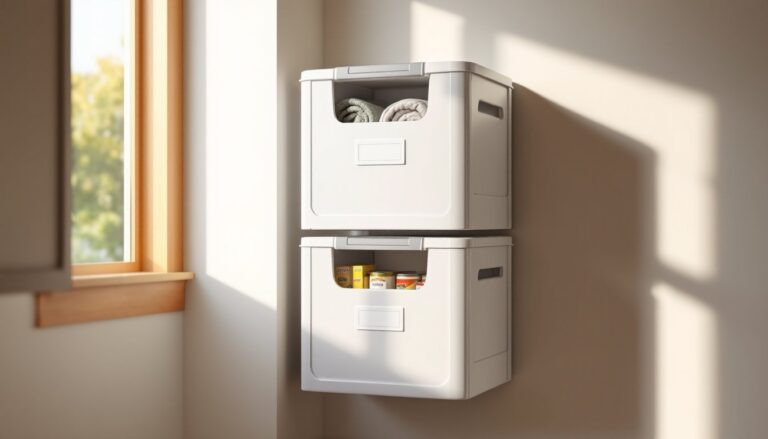
Basements and attics are ideal for plastic 13×13 bins storing holiday decorations, off-season sports gear, or archival documents. Label each bin clearly and stack them on shelving or pallets to avoid direct floor contact in damp spaces. This setup lets you access specific items without excavating piles.
Kitchens and pantries see real use too. Stack bins on open shelving to organize baking supplies, snacks, or small appliances. Transparent 13×13 storage bins let you see inventory at a glance, reducing duplicate purchases and forgotten ingredients. A home office can use them for archived paperwork, client files, or craft materials, keeping surfaces clear and visual chaos minimized.
Garages are underrated storage zones. Arrange 13×13 bins on wall-mounted shelving or industrial racks to store tools, seasonal decorations, or equipment. This approach is far safer and more organized than loose piles on the floor. Homeowners who use garage storage strategically report reclaiming surprising amounts of functional workspace.
How to Maximize Space and Style with 13×13 Storage Solutions
Start by measuring your intended storage location precisely. Shelving units vary: even “standard” bookcases sometimes have slightly different interior dimensions. Measure width, depth, and height, then confirm that 13×13 bins fit comfortably with a small clearance (roughly 0.5 inch) on all sides for easy insertion and removal.
Stack strategically. Two bins high is the practical limit for most people to reach comfortably: stacking three requires either a step stool or great height. Factor in door swing and traffic flow, don’t place bins where they’ll block access or get pinched by a closing door.
Label everything. Use a label maker, painter’s tape, or fabric labels, depending on bin material. Include the bin number, contents, and date if storing seasonal items. This simple habit saves hours of rummaging later and prevents duplicate purchases. Transparent bins reduce labeling burden because contents are visible, but labels still help with quick identification, especially in dim basements or attics.
Color coding creates visual order without fuss. Assign each room or category a color, blue for bedroom, green for office, red for holiday items. This system scales well if you’re adding more bins over time. Many homeowners also coordinate bin colors with room décor to maintain a finished appearance. According to organization techniques featured on Martha Stewart, cohesive storage aesthetics reduce decision fatigue and make spaces feel intentionally designed rather than haphazardly managed.
Use bins as a sorting step for decluttering. When you’re not sure whether to keep something, place it in a labeled bin and set a deadline (usually 6-12 months). If you haven’t needed it by then, donate or discard. This approach prevents hoarding while honoring the possibility that you might need something someday, a psychologically sound middle ground.
Budget-Friendly and Premium Options Worth Considering
Budget-conscious buyers often find quality 13×13 storage bins at big-box retailers, Home Depot and similar outlets regularly stock fabric and plastic options in the $10–$25 per bin range. These hold up well for home use, though seams may fray after a few years of heavy rotation. Many DIY enthusiasts compare multiple retailers and purchase mid-season (late summer, early winter) when prices dip.
Craft-savvy people explore IKEA alternatives and upcycled options. IKEA’s KALLAX system, though not 13×13 exactly, pairs well with aftermarket bins designed to fit it, and sites like IKEA Hackers showcase creative modifications and budget-friendly combinations that rival expensive custom storage.
Mid-range options ($25–$50 per bin) feature reinforced bottoms, stronger handles, and better seam construction. Brands targeting professional organizers often land here and offer warranties covering stitching failure.
Premium bins ($50+ per unit) typically include premium fabrics (felt, linen), metal reinforcement, and aesthetic appeal as storage furniture in high-visibility areas. If you’re storing bins in a living room or entryway as design elements rather than hidden storage, premium bins justify the cost through durability and appearance.
Whatever price point you choose, buy all bins at once if possible. Slight color and shade variations happen between manufacturing runs, so 13×13 storage bins purchased months apart may not match perfectly. If budget limits simultaneous purchase, at least buy a full shelf’s worth together. According to home storage reviews on Good Housekeeping, consistency in container appearance is a key factor in maintaining organized spaces long-term, as visual cohesion encourages continued adherence to organizational systems.
Conclusion
13×13 storage bins work because they’re honest solutions. They fit standard furniture, hold a realistic amount, and look intentional rather than makeshift. Whether you’re tackling a closet, organizing a basement, or creating a kid-friendly room, starting with the right bin size and material prevents frustration later. Measure first, label obsessively, and remember that organization isn’t a one-time event, bins become part of how you maintain order over months and years. Choose wisely, and you’ve built a system that adapts as your life does.