Table of Contents
ToggleA truck bed without organization is just wasted potential. Tools, equipment, and gear roll around with every turn, getting damaged or lost. A truck bed storage box solves that problem by securing everything you need while keeping your bed clear for hauling. Whether you haul tools for work, camping gear for weekends, or just need a place to stash supplies, the right storage box transforms your truck from chaotic to controlled. In 2026, options range from compact side-mount chests to full-length crossbeds, each with different locking mechanisms, materials, and mounting styles. This guide walks you through what’s available and how to pick the right fit for your needs and truck.
Key Takeaways
- A truck bed storage box protects tools and gear from weather and theft while securing loose items that could become projectiles during sharp stops or accidents.
- Side-mount tool chests work best for daily access and contractors, while cross-bed and full-length truck bed storage boxes suit seasonal or bulk storage needs.
- Aluminum storage boxes are lighter and rust-resistant but cost more, while steel boxes are cheaper and more durable—choose based on your climate and payload capacity.
- Measure your bed twice and verify mounting points against fuel lines, brake lines, and wiring before drilling to avoid costly damage and warranty voidance.
- Invest in quality locking mechanisms and weather sealing rather than cutting corners, as these components are the most common failure points in truck bed storage boxes.
- Professional installation at $50–$150 is worth the cost if you’re unsure about drilling, and non-permanent stake pocket mounts offer reversible alternatives for leased or resale trucks.
Why Every Truck Owner Needs a Bed Storage Box
A truck bed storage box isn’t a luxury, it’s practical security and organization. Without one, tools scatter, weather damages gear, and thieves get easy access to whatever’s sitting exposed in the bed. A locked storage box keeps valuables out of sight and protects expensive equipment from rain, sun, and dust.
There’s also the safety angle. Loose items become projectiles in sharp stops or accidents. A secured storage box keeps everything in place. For work trucks, it means you arrive at every job with tools organized and ready, saving time and frustration. For weekend adventurers, it means your camping gear stays dry and secure during a bumpy forest road.
Beyond security, you gain actual truck bed space. Instead of piling stuff haphazardly or leaving it loose, a storage box uses vertical space efficiently and keeps the open bed clear for actual hauling. That flexibility, being able to load lumber one day and haul a generator the next, is worth the investment.
Types of Truck Bed Storage Boxes
Tool Chests and Side-Mount Boxes
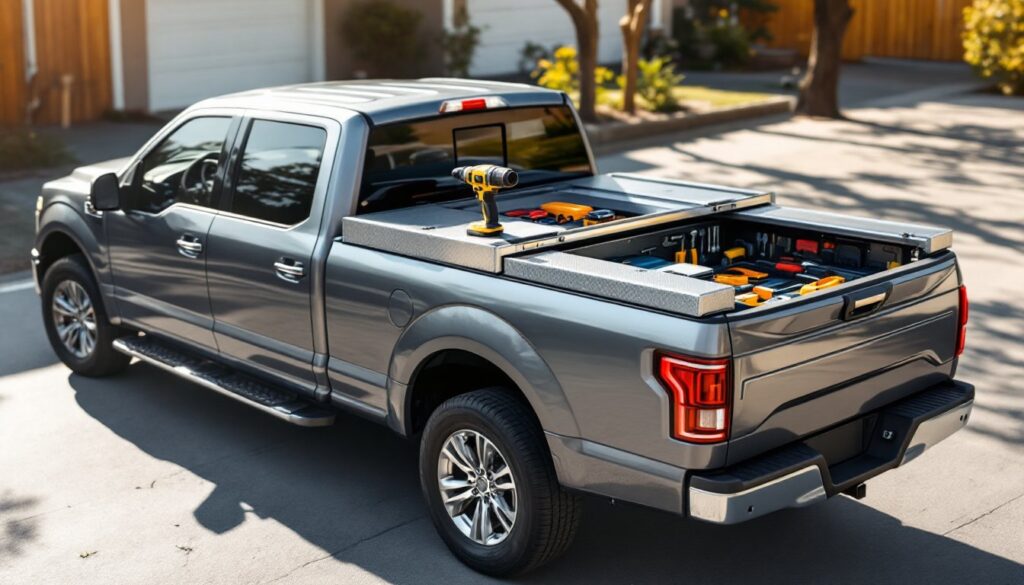
Side-mount tool chests bolt to the inside of the truck bed along one wall, leaving the rest of the bed open. These typically measure 36–48 inches wide, 18–24 inches tall, and 12–18 inches deep, holding everything from hand tools to power drill batteries. They’re ideal for contractors who need daily access to specific tools without cluttering the whole bed.
Aluminum and steel are the standard materials. Aluminum is lighter, won’t rust, and is easier on your fuel economy, but costs more upfront. Steel is cheaper, stronger for heavy loads, and more durable if you’re rougher on your gear, just watch for rust if you’re in a wet climate. Most come with key locks: some upscale versions have combination or even keypad locks.
Side-mount boxes work best if you don’t need the full bed width or if you regularly load the opposite side. They’re also easier to install than full-width options and won’t interfere with tonneau covers.
Cross-Bed Storage and Full-Length Options
Cross-bed boxes mount perpendicular to the bed rails and span the width of the truck, typically sitting just behind the cab. These offer more volume, 24–36 inches wide, 12–24 inches tall, and can span 4–6 feet, and work great for camping gear, emergency supplies, or job-site equipment that you grab less frequently.
Full-length bed storage runs the entire length of the truck bed and usually includes a low profile to maximize usable bed space above and around it. These are best if storage is your primary use and hauling bulk items is secondary. They often feature compartments to organize different categories of gear.
Both styles typically use piano hinges (the long, continuous hinge you see on toolboxes) for durability and weather sealing to protect contents from rain. Installation usually means bolting to the bed frame or using stake pocket mounts, which require drilling, make sure you’re not drilling through a fuel line or wiring harness. When in doubt, get a friend to look at the underside of your bed first.
How to Choose the Right Storage Box for Your Truck
Start with your truck’s bed size. A standard full-size bed is 8 feet long and 5.5 feet wide: a short bed is 5.5 feet. Compact trucks are often 5 feet. Measure your actual bed (account for wheel wells and the tailgate swing) before ordering anything. A box that looks fine online might block your tailgate or rub the bed walls.
Next, think about access. Do you need to grab stuff daily (side-mount or cross-bed near the cab), or is this long-term seasonal storage? Daily-access boxes benefit from quick latches and organized compartments. Seasonal storage can go deeper or further back.
Consider what you’re storing. Heavy power tools and steel equipment need robust locking and weight capacity. Camping gear benefits from weather sealing and compartments to separate sleeping bags from cookware. Electronics and valuables want secure, lockable storage. Some boxes come with built-in toolholders or dividers: others are blank slates you customize.
Weight and fuel economy matter too. A steel full-length box adds 200–400 pounds to your truck. Aluminum boxes run 50–100 pounds lighter. If you’re hauling near your truck’s payload capacity, that difference adds up. Most modern trucks can handle it, but check your owner’s manual for payload rating.
Budget also determines material and features. Basic steel side-mount chests start around $300–$500. Mid-range aluminum cross-beds run $600–$1,200. Full-length lockable beds with compartments can exceed $2,000. There are budget options from warehouse retailers, but investing in brands with strong reviews and warranty coverage pays off in durability. Recent studies on truck toolbox options show that locking mechanisms and seal quality are the most common failure points, so don’t skimp there.
If you’re unsure about installation or want professional results, many truck accessory shops offer mounting services for $50–$150. That’s worth it if drilling into your bed frame makes you nervous.
Installation Tips and Best Practices
Before you bolt anything down, spend time on prep. Measure twice, mark mounting points with a marker, and double-check that you’re not drilling through fuel lines, brake lines, or wiring bundles running under the bed. Look at wiring diagrams in your owner’s manual or ask a dealer if you’re unsure.
Gather your tools: a drill with a metal bit (usually 3/16″ or 1/4″ diameter for most mounting hardware), a socket set for the bolts, a wrench, and masking tape to mark the exact drill points. Use a level to make sure the box sits straight, a tilted tool chest looks sloppy and puts uneven pressure on mounting points.
For side-mount boxes, align the mounting bracket against the bed wall and use masking tape to outline it. Clamp it in place before drilling so it doesn’t shift. Drill at low speed to avoid binding the drill bit in the metal. Use corrosion-resistant bolts (stainless steel or zinc-plated) and apply a small bead of silicone caulk around bolt holes before fully tightening to prevent water intrusion.
For cross-bed boxes, follow the same approach but pay extra attention to levelness from front to back. If the box tilts toward the cab, items will roll forward when you brake. Ensure the box doesn’t interfere with the tailgate or the bed rails at either end before you commit to drilling.
After installation, apply weatherstripping around the lid or door seams if the box didn’t come with it. This keeps rain and dust out. Test the latch mechanism a few times to ensure it closes smoothly and locks securely. If the latch is stiff, a small amount of silicone lubricant (not WD-40, which attracts dust) helps without attracting dirt.
One overlooked step: check your truck’s warranty. Some manufacturers void the bed warranty if you drill into it. Review your paperwork or call the dealer before you start. If your truck is under warranty and you’re concerned, a dealer can often do the installation and keep your coverage intact.
If you prefer a non-permanent solution, some boxes mount via stake pocket clamps, which require no drilling. These are less secure and can shift over time, but they’re reversible if you’re leasing or planning to sell soon. Get a helper for installation, boxes are awkward solo, and having someone hold it level while you start bolts makes the job faster and cleaner. Online platforms like Instructables have step-by-step photo guides for specific truck models if you want visual confirmation before you start.
Conclusion
A truck bed storage box is one of the smartest upgrades you can make. It protects your gear, secures valuables, and transforms your bed into organized, usable space. Whether you choose a compact side-mount chest or a full-length cross-bed system depends on your truck size, storage needs, and budget. Take time to measure, plan your installation, and choose quality locking and sealing components. Proper prep work and careful installation ensure your storage box lasts years and earns its place on your truck. When your tools and gear are organized and secure, you spend less time searching and more time getting the job done. That’s the real return on investment.