Table of Contents
ToggleBedroom real estate is precious, especially in apartments, shared rooms, or growing households. A trundle bed with storage solves one of the most stubborn space problems: how to accommodate guests or extra sleeping space without sacrificing square footage or style. These beds pull double, actually triple, duty: they provide a primary sleeping surface, a hidden guest bed that rolls out on demand, and integrated storage drawers or shelving underneath. Whether you’re renovating a spare room, outfitting a kid’s bedroom, or preparing for frequent visitors, understanding what a trundle bed with storage offers helps you choose the right fit for your home.
Key Takeaways
- A trundle bed with storage combines a primary sleeping surface, hidden guest bed, and integrated drawers or shelves to maximize bedroom space without sacrificing style or square footage.
- Trundle beds adapt to changing household needs—from accommodating guests to providing flexibility for growing children—without requiring permanent renovations or expensive furniture replacements.
- Choosing the right size (twin for compact spaces, full-size for master bedrooms) and accounting for 18–24 inches of foot clearance ensures smooth trundle operation and comfortable access.
- Solid wood frames with quality roller mechanisms outperform particleboard options long-term; investing $1,200–$2,500 in a durable trundle bed with storage prevents wobbling and structural issues within 2–3 years.
- Regular maintenance—including monthly caster cleaning, quarterly mattress rotation, and semi-annual bolt checks—keeps your trundle bed functioning smoothly and extends both frame and mattress lifespan.
- Proper storage organization using breathable drawer liners, labeled compartments, and protective mattress encasements protects seasonal items while preventing dust accumulation and mold in hidden spaces.
What Is a Trundle Bed With Storage?
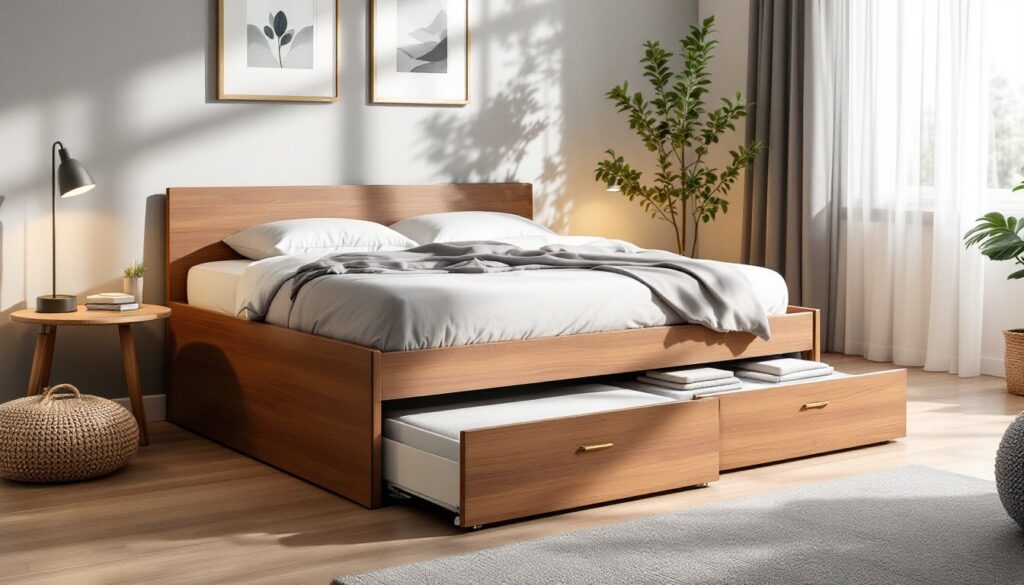
A trundle bed with storage is a bed frame where a secondary bed frame (also called a trundle) slides underneath the main mattress on wheels or a roller mechanism. The trundle pulls out when needed and typically sits 8–12 inches lower than the main bed. The storage component adds drawers, shelves, or cubbies built into the frame or underneath the trundle, maximizing every inch of floor space.
The setup comes in several configurations. Some models feature the trundle as a full separate bed that you lift and lock into place at the same height as the main bed. Others have a trundle that stays low, useful for children or as a temporary guest surface. Storage can be front-facing drawers (similar to under-bed storage), shelves built into the frame sides, or hybrid designs combining both a shallow trundle and deep storage bins.
These beds come as complete units ready to assemble, or as DIY projects if you enjoy building furniture. Many homeowners find pre-made options from furniture retailers simplify setup, but Ana White and similar sites offer free DIY furniture plans for those comfortable with basic woodworking. The material varies: solid wood (pine, oak, or hardwoods), plywood, MDF, or metal frames. Quality matters here, a sturdy frame handles repeated opening, closing, and rolling without wear or noise.
Key Benefits for Homeowners
The primary advantage is space efficiency. A trundle bed with storage eliminates the need for a separate guest bed, dresser, or under-bed storage boxes. In a 10′ × 12′ bedroom, that’s the difference between cramped and functional.
Second, a trundle bed adapts to changing needs. Kids outgrow shared rooms, teenagers want privacy, or elderly relatives visit more often. A trundle provides flexibility without permanent renovations or expensive bed swaps. When guests leave, roll the trundle back under and reclaim floor space instantly.
Third, storage integration reduces clutter and eliminates visible under-bed gaps. Seasonal clothes, extra bedding, or toys stay organized in dedicated drawers rather than scattered across nightstands or closets. This is especially valuable in homes where closet space is limited or climate control requires storing seasonal items.
Finally, these beds look intentional and finished. Unlike cot-style guest beds or plastic storage bins, a quality trundle bed with storage reads as a designed piece of furniture. It fits naturally into most decor styles, from modern minimalist to traditional farmhouse, and actually improves a room’s visual appeal rather than detracting from it.
Design Styles and Where to Place Them
Popular Design Options
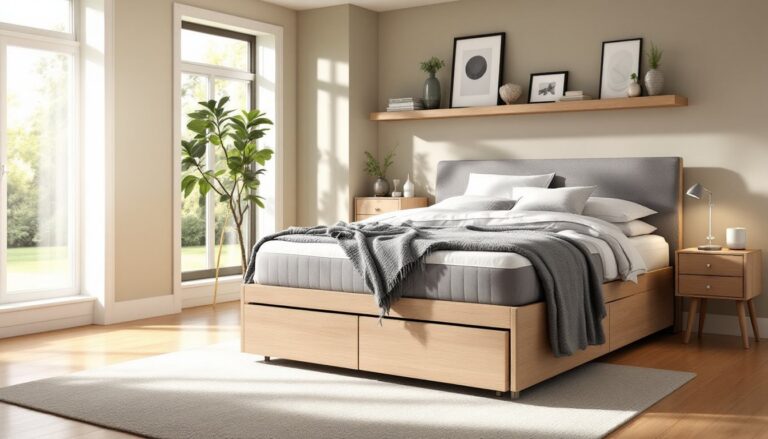
Modern minimalist designs feature low-profile frames with sleek lines, often in walnut, white, or gray finishes. Storage drawers sit flush with the frame, and wheels roll silently. These suit contemporary bedrooms and small apartments.
Farmhouse and rustic styles use distressed wood, turned legs, and visible hardware. Natural wood finishes or painted surfaces (soft whites, warm grays, barn reds) give cottage or country vibes. Storage here might be wicker baskets or painted drawers.
Traditional styles offer ornate headboards, curved legs, and classic proportions. Wood finishes tend toward rich tones (cherry, mahogany) and complement period furniture. Storage integrates subtly.
Industrial designs combine metal frames (steel or iron) with reclaimed or raw wood. These work in loft conversions, modern farmhouse spaces, or eclectic bedrooms.
Placement matters. Put a trundle bed in a kid’s room to free up space for a play area. In a master bedroom, it handles overnight guests without a dedicated guest room. Home offices with a daybed-style trundle offer dual-purpose sleeping space for meetings that run late or business travel guests. Dorm rooms and studio apartments benefit hugely, a trundle bed with storage essentially doubles usable sleeping capacity and storage in minimal footprint.
The Full Size Storage Bed remains the most common choice, offering standard mattress compatibility and reliable availability.
Choosing the Right Trundle Bed for Your Storage Needs
Size and Space Considerations
Bed size dictates the trundle and storage footprint. A twin trundle bed (39″ wide × 75″ long) fits tight rooms and kids’ spaces. The trundle itself measures 39″ × 75″, and the frame sits 8–12″ off the ground, leaving minimal storage depth underneath. Total floor space: roughly 4′ × 6′.
A full-size trundle (54″ × 75″) suits master bedrooms, teens’ rooms, and guest spaces. Full storage depth underneath is 16–24″ depending on the frame design. Total floor space: roughly 5′ × 6′.
Measure your room’s available floor space, and account for door swing clearance and foot-of-bed walking room. A bed shoved against the wall limits trundle access. Ideally, you want 18–24″ of clearance at the foot so the trundle slides out smoothly without jamming.
Consider ceiling height. A tall person getting in and out of the main bed needs at least 24–30″ of vertical clearance above the mattress surface. In rooms with sloped ceilings or lofts, this matters.
Decide whether you want the trundle at full sleeping height (useful if both beds are regularly used) or at a lower, more compact height (for occasional guests or kid sleeping). Check mattress thickness: standard mattresses (8–10″) mean trundles sit roughly 12–14″ below the main bed, ideal for most scenarios.
Material durability affects lifespan and cost. Solid wood handles repeated rolling and weight better than particleboard or MDF. If you’re buying used or mid-range furniture, inspect roller mechanisms and drawer slides, these fail first. The Handyman’s Daughter and similar DIY communities often discuss upgrade options like swapping cheap casters for heavy-duty ball-bearing wheels.
Budget ranges widely: $400–$800 for basic solid-wood models, $1,200–$2,500 for quality hardwood or designer frames. DIY builds cost materials only (lumber, hardware, casters), typically $300–$700 depending on wood grade. Quality saves money long-term: cheap particle-board frames wobble and sag within 2–3 years.
Maintenance and Organization Tips
Keep the trundle rolling smoothly by wiping casters and the undersurface monthly, dust and pet hair gum up wheels. Use a damp cloth, not water that pools on wood.
Check bolts and frame joints every 6 months, especially if the bed gets heavy use. Tighten any loose connections with an appropriate wrench or Allen key: loose frames create squeaks and can weaken structural integrity.
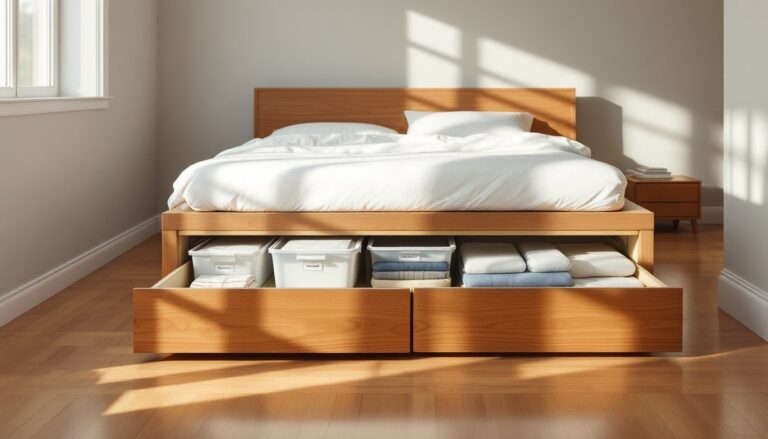
For storage drawers, line them with breathable fabric liners (not plastic: wood needs airflow). Group similar items: bedding in one drawer, off-season clothes in another, guest amenities (extra pillows, throws) in a third. Label drawers so everyone knows what’s where.
Keep the trundle mattress in a protector or encasement. These removable covers guard against stains and dust mites, and they’re washable, critical if the trundle doesn’t get daily airflow underneath the main bed.
Rotate both mattresses quarterly (head to foot, flip side to side) to even out wear. This extends mattress life and prevents sagging.
When rolling the trundle in and out, use smooth, steady motions. Don’t yank or drop it, casters and frame joints can crack under sudden force. If resistance builds up, stop and check for obstructions or binding.
Instructables and maker communities often share clever storage hacks: under-drawer organizers, pull-out shelves added to existing drawers, and custom fabric bins that fit odd-shaped gaps. These tweaks maximize what you store and make retrieval faster.