Table of Contents
ToggleGardening tools left scattered across the lawn or shoved into a corner tend to rust, break, and become harder to find. Proper outdoor garden tool storage keeps your equipment organized, extends its lifespan, and makes yard projects faster and safer. Whether you’re managing a small vegetable patch or maintaining an acre of landscaping, a dedicated storage solution prevents rust, weather damage, and those frustrating moments when you can’t locate the right tool. The right setup transforms your outdoor workspace from chaotic to efficient, and the investment pays dividends across every growing season.
Key Takeaways
- Proper outdoor garden tool storage prevents rust, extends tool lifespan, and reduces safety hazards like tripping and equipment damage.
- Assess your tool collection size and available yard space before investing in storage—from wall-mounted pegboards for small toolkits to full sheds for extensive equipment.
- Vertical storage solutions like pegboards, wall racks, and magnetic strips maximize space efficiency while improving visibility and accessibility.
- Metal and wooden sheds offer robust outdoor garden tool storage, with metal resisting rot but requiring wind anchoring, and wood providing aesthetic flexibility at higher maintenance cost.
- Clean tools before storage, apply light oil coats to metal components, ensure proper ventilation, and conduct seasonal inspections to protect your investment for years.
- Budget-friendly DIY options like repurposed shelving, PVC pipe racks, and weatherproof plastic boxes deliver effective tool organization without expensive commercial systems.
Why Proper Tool Storage Matters for Your Garden
A rusty shovel is a dull shovel. Tools left exposed to rain, sun, and temperature swings degrade faster than most homeowners expect. Metal blades oxidize, wooden handles warp and splinter, and plastic grips become brittle. Beyond the physical wear, disorganized storage creates safety risks, tripping over rakes, stepping on hand tools left on pathways, or accidentally damaging equipment while searching through a pile.
Proper storage protects your investment. Quality garden tools cost real money, and protecting them ensures you get years of use. A well-organized shed or cabinet also saves time. No more digging through piles to find the pruners or the hand cultivator. When everything has a designated spot, you spend less time searching and more time gardening.
Secondly, organized tool storage reflects good stewardship of your outdoor space. It signals that your yard is managed intentionally, not just maintained haphazardly. Tools stored securely are also safer, sharp implements and heavy equipment shouldn’t be accessible to children or pets who wander into an open garage.
Assessing Your Storage Needs and Space
Before you buy or build anything, measure your tool collection and your available space. Do you have a few hand tools and a lawn mower, or a full arsenal including tillers, pressure washers, and seasonal equipment? A small toolkit fits into a wall-mounted cabinet: a homeowner with landscaping ambitions needs a shed.
Consider your climate. In wet regions, you’ll prioritize ventilation and rust resistance. In arid climates, UV protection becomes the priority. High winds mean secure anchoring is non-negotiable. Check local building codes too, some jurisdictions require setbacks from property lines or permit sheds above a certain size. A 100-square-foot shed might need a building permit in your area: a smaller tool cabinet generally won’t.
Measure your space honestly. A garden tool storage box or an outdoor tool storage box fits under a covered porch or in a corner. A shed requires floor preparation, ideally a level gravel bed or concrete slab to prevent rot and frost heave. Vertical space matters as much as floor space: wall hooks and pegboards let you store more in a compact footprint. Sketch out your layout before committing to any purchase.
Sheds and Cabinets: The Foundation of Tool Organization
Sheds are the gold standard for serious tool storage. A 6×8 ft metal or wooden shed (nominal dimensions, actual interior about 5.5×7.5 ft) handles most residential tool collections with room for seasonal items. Metal sheds resist rot but require anchoring against wind and occasional rust touch-ups on fasteners. Wooden sheds offer flexibility for shelving and can match your home’s aesthetic, but demand regular maintenance, paint, stain, or sealant every few years.
For homeowners without space or budget for a full shed, metal storage sheds with floors provide a solid middle ground. A floor prevents ground moisture from creeping up and keeps items off damp soil. Install the shed on a level surface: use treated lumber runners or a gravel bed to promote drainage.
Cabinets and storage boxes work well for modest tool collections. A lockable outdoor tool storage box keeps hand tools, small power tools, and supplies organized and protected. Look for boxes made from UV-stabilized resin or powder-coated metal. Interior dividers or removable trays maximize usable space and keep items from shifting.
Shelving inside sheds or cabinets matters, don’t just pile tools on the floor. Mounted shelves, pegboards, and wall racks create efficient vertical storage. Heavy items like a broadcast spreader or push mower go on low shelves: lighter items and frequently used tools belong at eye level. Leave breathing room between items to prevent moisture trapping.
Wall-Mounted and Vertical Storage Solutions
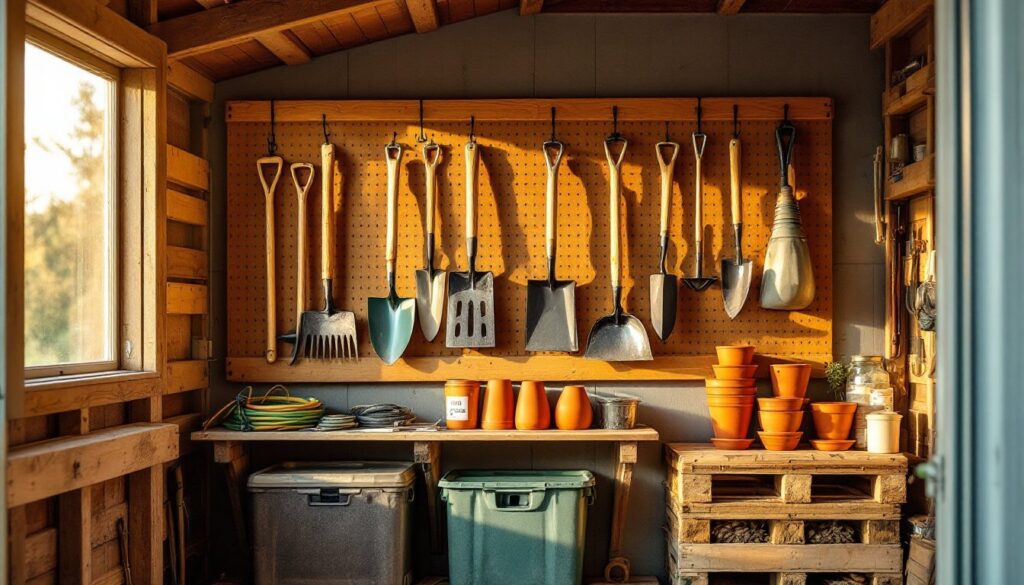
If space is limited, go vertical. Wall-mounted storage solves the problem without eating into your yard. Pegboards mounted inside a shed or garage, or even on an exterior wall under an eave, hold rakes, shovels, hoes, and hand tools using simple hooks and clips. A pegboard costs $15–30 and takes an afternoon to install: it transforms wall space into functional storage.
Wall racks designed specifically for tools, like adjustable blade racks for shovels and hoes, maximize space efficiency. Heavy-duty hooks rated for at least 50 lbs each prevent tools from crashing down. Stagger hook heights so handles don’t tangle: use hooks spaced 16 inches apart (matching stud centers if mounted to framing).
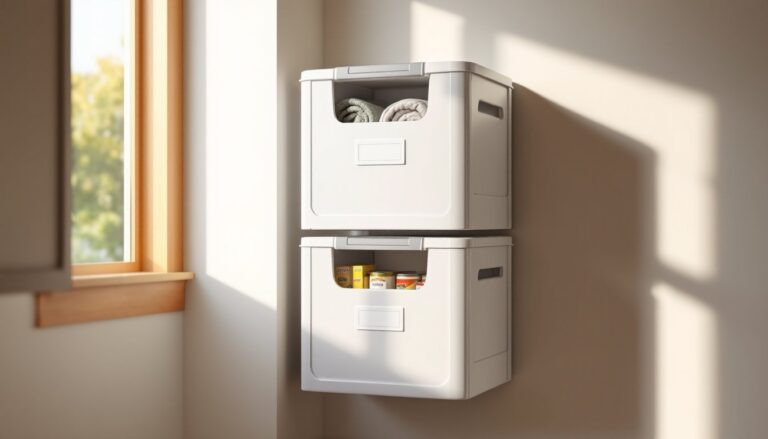
Vertical garden tool storage boxes stack or hang, perfect for seeds, small hand tools, and fertilizers. Magnetic strips hold metal-handled tools securely. Hooks and clips on walls inside a shed keep cords organized and off the ground, reducing tripping hazards and extending cord life.
Vertical storage also improves visibility and access. You see everything at a glance, no mysterious rusty thing buried under a tarp. Items are easier to grab without knocking other equipment over. This organizational efficiency pays off every time you step into your storage area, especially when you’re in a hurry.
Maintenance Tips to Extend Tool Life
Storage protects tools, but maintenance extends their lives. Clean tools before storing them. Soil, grass clippings, and moisture accelerate rust. Use a wire brush or steel wool to remove corrosion from metal blades: wipe handles with a dry cloth. For power tools, empty fuel tanks before seasonal storage and clean air filters.
Apply a light coat of oil or rust-preventative spray to metal blades and fasteners before long-term storage. A thin layer of 3-in-1 oil or linseed oil on wooden handles prevents drying and cracking. Don’t soak handles, just a light wipe-down.
Ventilation inside sheds prevents moisture buildup. Leave vents or louvered openings clear: use small dehumidifiers in extremely humid climates. Keep shrubs and vegetation trimmed away from storage structures to allow air circulation and reduce pest entry points.
Check stored tools seasonally. Before the spring rush, inspect everything for rust, loose fasteners, and damage. A 10-minute walkthrough prevents problems later. Keep an inventory list, it sounds tedious but helps you spot missing or damaged items quickly and plan replacements or repairs. Resources like The Spruce offer detailed guides on tool maintenance and seasonal care.
Budget-Friendly DIY Storage Ideas
You don’t need to spend a fortune. Repurposed materials and creative solutions work just as well as store-bought systems. Old kitchen shelving bolted to a garage wall or shed interior holds tools and supplies. Wooden pallets, treated to resist moisture, build rustic but sturdy shelving units. A cord of PVC pipe mounted horizontally holds long-handled tools snugly.
For a minimal-cost setup, a large weatherproof plastic storage box ($40–80) sits under a covered porch and handles basic hand tools, gloves, and twine. Hang hooks on the exterior for frequently used items. This approach offers flexibility, move the box if you reorganize your outdoor space.
DIY pegboard setups cost less than commercial tool cabinets. Use plywood, paint it, cut holes with a hole saw (or buy pre-drilled pegboard), and mount to wall studs with lag bolts spaced 16 inches apart. Hook organization is infinite, custom-fit your layout to your tools.
If you’re handy with basic carpentry, building a simple three-shelf unit from 2×4 lumber and plywood creates a sturdy storage cabinet. Sand all wood, apply exterior sealant or paint, and secure shelves to studs. Cost: around $100–150 in materials. Resources like Popular Mechanics feature step-by-step DIY storage builds suitable for weekend projects. Weatherproof storage keeps tools safe regardless of the container’s original purpose.
Conclusion
Smart outdoor garden tool storage combines protection, accessibility, and longevity. Start by assessing what you own and the space you have. Choose a solution, shed, cabinet, wall-mounted system, or a blend, that fits your budget and yard. Maintain your tools with regular cleaning and light oiling, and your investment will serve you for decades. An organized, protected toolshed transforms yard work from chaotic to streamlined.