Table of Contents
ToggleClutter has a way of sneaking up on you. One day you’re sorting through a closet, and the next you’re staring at piles of seasonal decorations, kids’ toys, and random household items with nowhere to go. The truth is, good organization doesn’t require a trip to high-end furniture stores or custom built-ins. Big Lots storage bins offer a practical, budget-friendly solution that works across every room in your home. Whether you’re dealing with basement overflow, bedroom chaos, or pantry pandemonium, these bins deliver real storage power without the premium price tag. In 2026, finding the right storage solution means balancing durability, functionality, and affordability, and Big Lots has positioned itself as a go-to source for homeowners and renters alike who refuse to sacrifice organization for their wallet.
Key Takeaways
- Big Lots storage bins offer budget-friendly, durable organization solutions across every room in your home without sacrificing quality or affordability.
- Plastic stackable bins work best for heavier items stored on lower shelves, while fabric bins provide aesthetically pleasing options for visible spaces like bedrooms and living rooms.
- Strategic planning—measuring spaces, using vertical storage, and implementing clear labeling systems—is essential to maximize the effectiveness of Big Lots storage solutions.
- Room-specific organization strategies, such as under-bed storage for seasonal items, pantry bins for dry goods, and elevated basement storage to prevent moisture damage, ensure long-term success.
- Consistency in your organization system matters more than perfection; starting with one room and expanding gradually helps you maintain a clutter-free home that actually lasts.
Why Big Lots Storage Bins Are a Smart Choice for Budget-Conscious Homeowners
Let’s be direct: storage bins are only valuable if they actually solve your clutter problem without costing a fortune or falling apart after six months. Big Lots storage bins check both boxes. The retailer’s selection spans price points from budget-basic to semi-premium, meaning you can outfit an entire basement for what you’d spend on a few fancy alternatives elsewhere.
Beyond price, Big Lots bins typically offer solid construction. Their plastic and fabric options use reinforced materials designed to handle actual household weight, not just decorative duty. You’re getting hinged lids that don’t crack after a few opens and handles that won’t tear when you’re pulling the bin out from under a bed. Building codes and safety standards don’t directly govern storage bins, but selecting sturdy options from an established retailer means you’re less likely to have structural failure when stacking or moving heavy loads.
Another reason homeowners favor Big Lots for storage: inventory consistency. Unlike discount warehouse clubs with rotating stock, Big Lots maintains steady product lines, making it easier to buy matching sets or replace a damaged bin later without hunting for the exact same model. This matters when you’re organizing across multiple rooms and want visual cohesion without premium pricing.
Types of Storage Bins Available at Big Lots
Plastic and Stackable Options
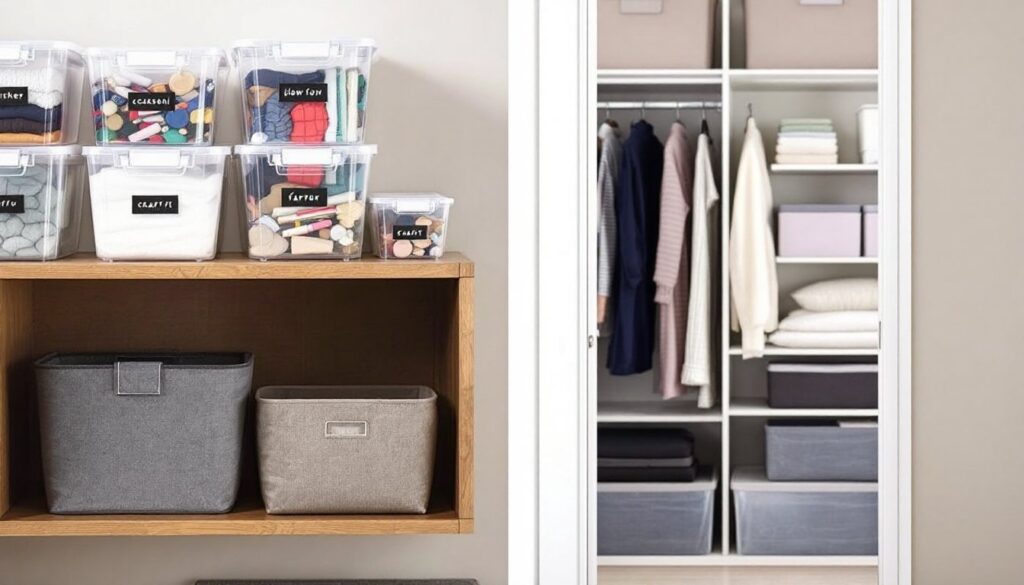
Plastic storage bins are the workhorse of any organization system. Big Lots carries stacking bins in clear and opaque finishes, typically available in small, medium, and large dimensions. Clear plastic is your best friend when you need to identify contents without opening the bin, critical for seasonal décor, holiday lights, and archived paperwork. Opaque bins work better in visible spaces where aesthetics matter: they look cleaner and more intentional on shelves or in closets.
Stackability is where plastic bins shine. Reinforced corners and locking lids mean you can build vertical storage without crushing the bottom containers. When stacking, remember the weight-bearing principle: denser items (books, tools, canned goods) go on lower tiers, lighter items (bedding, clothing, craft supplies) on upper ones. Most Big Lots plastic bins handle 20–30 pounds per unit when properly stacked, though this varies by model size and material thickness.
One practical tip: before stacking, confirm your bin height and lid design allow adequate clearance in your storage space. A 12-inch-tall bin might seem fine until you stack three high and realize you can’t close your closet door. Taking five minutes to measure vertical space saves frustration later.
Decorative and Fabric Bins
Fabric bins aren’t just pretty, they’re functional for spaces where exposed plastic looks wrong. Bedrooms, living rooms, and entryways benefit from Big Lots storage bins in woven or upholstered fabrics that complement décor without screaming “storage.” These bins work well for soft goods like blankets, pillows, scarves, and off-season clothing.
Fabric bins typically collapse or fold for compact storage when empty, making them space-efficient in apartments or smaller homes. Handles are standard, which beats the struggling-to-grab-a-plastic-bin-from-the-shelf scenario. The trade-off: fabric doesn’t protect contents from dust or moisture quite like plastic does. If you’re storing anything sensitive to dampness, documents, photos, electronics, pair fabric bins with plastic organizers inside, or keep them in drier areas like bedrooms rather than basements prone to humidity.
Color and pattern options at Big Lots run the gamut from neutral solids to subtle textures. Stick with neutral tones (charcoal, cream, taupe) if you’re unsure about longevity: trendy patterns feel dated faster than you’d think. White or light-colored fabric bins can show dirt and stains, so save those for low-traffic storage areas.
How to Use Big Lots Storage Bins for Room-by-Room Organization
Closets, Bedrooms, and Under-Bed Storage
Closets are prime real estate for Big Lots storage bins. The key is using vertical space without creating blind spots where stuff disappears forever. Install shallow shelving above your hanging rod, this is where medium to large clear plastic bins excel. Label the front of each bin with a label maker or masking tape and a marker. “Winter Coats,” “Summer Dresses,” “Seasonal Accessories”, specificity prevents the “I know I had that somewhere” moment.
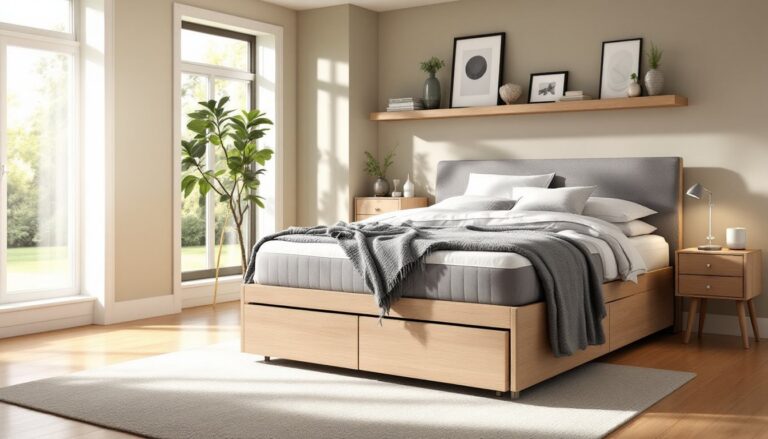
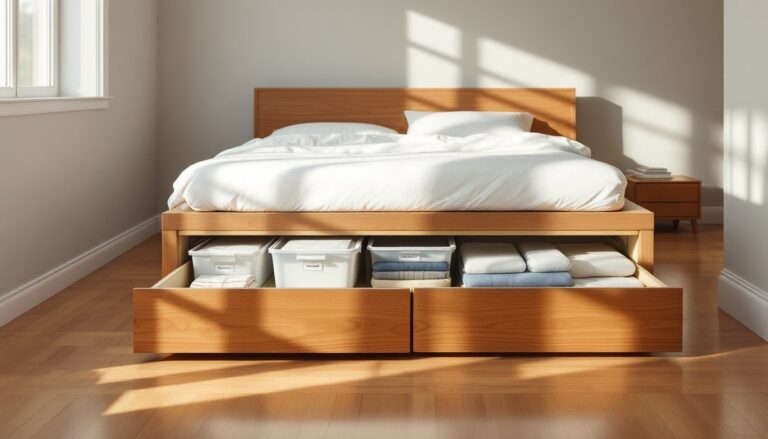
Under-bed storage is deceptively valuable. Measure your bed’s clearance height first: most frames sit 8–12 inches off the ground, which limits bin depth. Flat, rectangular plastic bins fit perfectly and slide in and out smoothly. Reserve under-bed storage for items you’ll access 2–3 times per year: out-of-season clothing, extra linens, lightweight sporting equipment. Heavy items stored under the bed can damage floor joists or foundations over time, especially if the weight concentrates in one spot. Spread your load across multiple smaller bins rather than one massive one.
Bedroom closets benefit from a mix of bin types. Large plastic bins on high shelves hold seasonal items. Mid-height fabric bins organize daily essentials, scarves, belts, workout clothes, in a way that looks intentional rather than cramped. Use drawer dividers or smaller plastic bins inside larger ones to prevent items from shifting and creating chaos. When organizing by category, group like with like: all belts together, all scarves together, all seasonal accessories together. This takes extra effort upfront but saves time every morning when getting dressed.
For families with kids, stackable plastic bins in bedrooms solve toy overload. Label them clearly, “Building Blocks,” “Action Figures,” “Art Supplies”, and involve children in maintaining the system. A 4-year-old who helped sort toys into bins is more likely to actually put things back. Consider weight capacity: don’t load kid-height bins so heavily that a child can’t safely retrieve what they need.
Bathroomsare often overlooked for Big Lots storage. Under-sink areas benefit from plastic organizers divided by category: hair tools, cleaning supplies, first-aid items, extra toiletries. Use narrow, deep bins that fit in tight cabinet spaces rather than wide ones that block access. Medicine cabinet overhauls work well with small rectangular bins: they keep medications separated and make expiration dates visible at a glance.
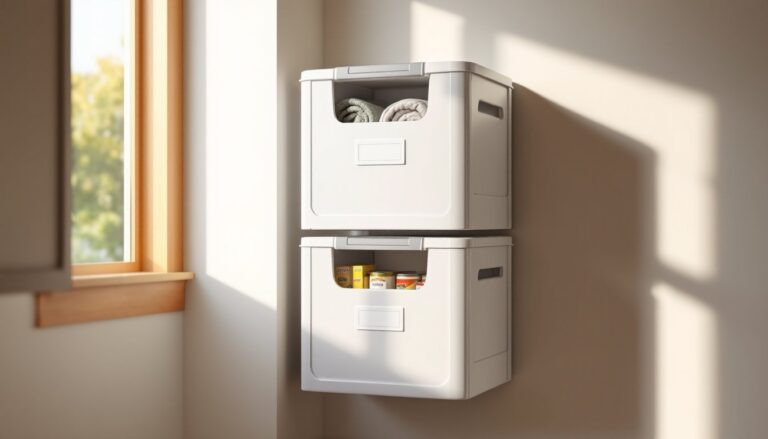
Laundry and utility rooms need serious bin infrastructure. Wall-mounted shelving paired with labeled plastic bins keeps detergents, fabric softeners, stain removers, and lint traps organized and off the floor. This prevents spills and makes inventory management easier, you’ll notice when you’re running low on cleaning supplies instead of discovering an empty bottle mid-load.
Kitchens are where Home Depot Storage Boxes and similar solutions show their worth, but Big Lots bins work here too. Pantry organization relies on clear plastic bins to group snacks, baking supplies, canned goods, and dry goods. Stack them strategically: heavier items on lower shelves, lighter ones higher up. Leave a bin or two empty: it’s tempting to fill every cubic inch, but overstuffed pantries become unusable quickly.
Basements and garages present the biggest organizational challenges. Big Lots storage bins help here, but approach it strategically. Zone your space first: tools in one area, seasonal décor in another, archived household items in a third. Use larger plastic bins for bulk items and create an inventory system, nothing fancy, just a notebook or simple spreadsheet noting what’s in each bin and where it’s stored. When relatives ask what’s in the mysterious bin from 2015, you’ll know.
One critical rule: don’t store bins directly on concrete floors in basements or garages. Moisture wicks upward, and even “sealed” plastic bins can trap condensation against their bottoms. Elevate bins on wooden pallets or shelving to allow air circulation. In damp climates, add a desiccant packet inside sealed bins to absorb excess moisture.
When using organizing tips from trusted home guides, remember that the “perfect” system is the one you’ll actually maintain. A simpler system you stick with beats an elaborate setup that collapses after a month. Big Lots bins work best when you’re realistic about what you’ll access regularly versus what should go into long-term storage.
Conclusion
Big Lots storage bins won’t revolutionize your home, but they’ll absolutely fix clutter problems without breaking your budget. The range of sizes, materials, and styles means you can find something that works for every room and every storage challenge. The real success comes from investing time in planning your storage layout, measuring your spaces carefully, and committing to a labeling system that actually helps you find things. Start with one room, get comfortable with the system, and expand from there. That’s how homeowners build lasting organization that actually sticks.