
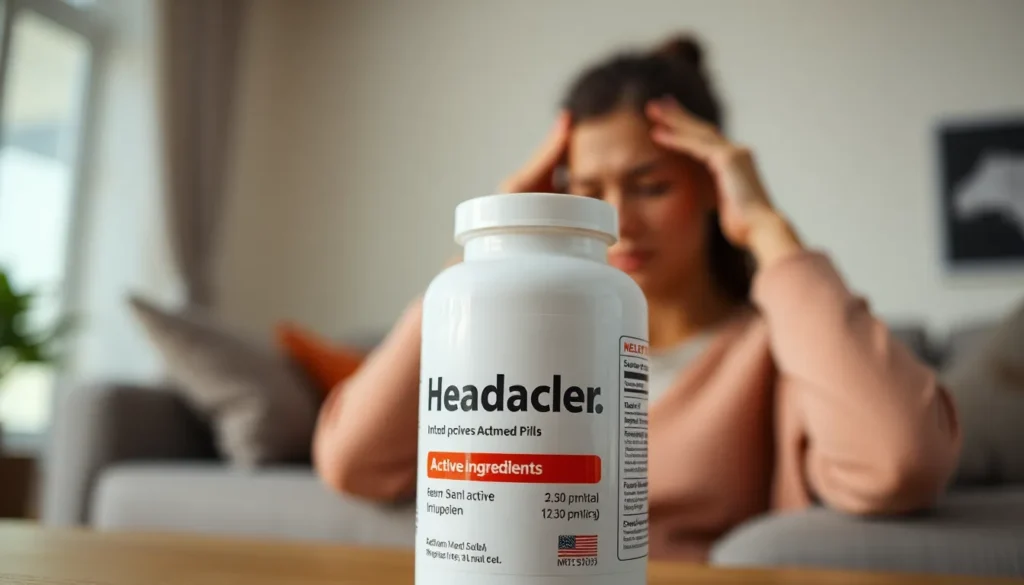
Headaches can strike at the most inconvenient times, leaving people searching for quick relief. Among the various remedies available, headache pills, or “pastilla para dolor de cabeza,” have gained popularity for their effectiveness and convenience. These over-the-counter solutions provide a fast way to alleviate pain and restore comfort.
Understanding the types of headache pills and how they work is essential for anyone looking to manage their symptoms effectively. From common pain relievers to specialized formulations, each option offers unique benefits. This article delves into the world of headache pills, exploring their ingredients, effectiveness, and tips for safe usage. With the right knowledge, individuals can make informed choices and reclaim their day from the grip of headaches.
Overview of Pastilla Para Dolor De Cabeza
Pastilla para dolor de cabeza encompasses various over-the-counter medications designed to relieve headache symptoms. These pills typically contain active ingredients such as ibuprofen, acetaminophen, or aspirin, which target pain and reduce inflammation.
Common Ingredients
- Ibuprofen: Nonsteroidal anti-inflammatory drug (NSAID) that alleviates pain and reduces inflammation.
- Acetaminophen: Analgesic that provides pain relief without anti-inflammatory properties.
- Aspirin: Another NSAID effective in managing pain and reducing swelling.
Mechanism of Action
Pastilla para dolor de cabeza operates by blocking signals in the brain responsible for pain perception. These medications inhibit specific enzymes, leading to reduced pain and inflammation.
Popular Choices
Several headache pills are available in pharmacies. Some notable options include:
- Excedrin: Combines acetaminophen, aspirin, and caffeine for enhanced effectiveness.
- Advil: Focuses on ibuprofen for pain and inflammation relief.
- Tylenol: Relies on acetaminophen for straightforward pain management.
Usage Tips
- Dosage: Follow recommended doses on packaging. Avoid exceeding the maximum dosage to prevent adverse effects.
- Timing: Taking headache pills at the first sign of pain often proves most effective.
- Hydration: Maintain hydration before and after taking medication, as dehydration can exacerbate headaches.
Pastilla para dolor de cabeza serves as an accessible solution for individuals seeking quick headache relief. Understanding the ingredients and mechanisms helps users make informed choices about their pain management strategies.
Types of Headache Tablets

Understanding the types of headache tablets helps in selecting the right option for relief. These medications fall into two main categories: over-the-counter options and prescription medications.
Over-the-Counter Options
Over-the-counter (OTC) headache tablets are easily accessible and commonly used. They include:
- Acetaminophen: Effective for tension headaches and mild migraines, it relieves pain without causing irritation to the stomach.
- Ibuprofen: Nonsteroidal anti-inflammatory drug (NSAID) that reduces inflammation and alleviates pain, suitable for various headache types.
- Aspirin: Another NSAID that helps reduce pain and inflammation, often used for tension headaches and migraines.
- Excedrin: Combines acetaminophen, aspirin, and caffeine to enhance pain relief, particularly effective for migraine symptoms.
- Naproxen: Longer-lasting NSAID, often recommended for persistent headache pain.
Each OTC option has unique benefits and considerations, making it essential for individuals to follow dosage instructions carefully.
Prescription Medications
Prescription headache tablets are stronger and generally used for more severe or chronic headaches. Common types include:
- Triptans: Specifically designed to treat migraines, they work by constricting blood vessels in the brain and blocking pain pathways.
- Ergots: Suitable for certain types of migraines, these tablets target serotonin receptors to relieve pain.
- Preventive medications: Certain prescriptions like beta-blockers or antiepileptic drugs help reduce the frequency and severity of headaches over time.
Consulting a healthcare professional ensures the proper identification of headache types, assisting in selecting the most effective medication.
Ingredients in Headache Pills
Understanding the ingredients in headache pills helps individuals choose the most effective remedy. These ingredients can be categorized into common active ingredients and natural alternatives.
Common Active Ingredients
Headache pills often contain several common active ingredients:
- Acetaminophen: Reduces pain and lowers fever without affecting inflammation. It’s suitable for most headaches.
- Ibuprofen: Acts as a nonsteroidal anti-inflammatory drug (NSAID), easing pain and reducing inflammation.
- Aspirin: Another NSAID that alleviates pain and inflammation, often used for tension headaches and migraines.
- Naproxen: Provides long-lasting pain relief, effective for headache management, especially in chronic cases.
- Caffeine: Frequently included in combination products, enhances the effectiveness of other pain relievers.
These ingredients work in synergy to block pain signals and alleviate discomfort, contributing to their popularity among consumers.
Natural Alternatives
Natural alternatives to synthetic headache pills offer different approaches for relief:
- Peppermint Oil: Known for its soothing properties, applying it to the temples can help relieve tension headaches.
- Ginger: Consuming ginger tea or supplements can reduce nausea and pain associated with migraines.
- Willow Bark: Sometimes referred to as “nature’s aspirin,” it contains salicin, which may help ease headache symptoms.
- Magnesium: Studies suggest that magnesium supplements can reduce the frequency and severity of migraines.
- Lavender Oil: Inhaling lavender aroma has shown effectiveness in reducing headache symptoms and promoting relaxation.
These alternatives provide options for individuals seeking relief without relying solely on pharmaceutical medications.
Effectiveness of Pastilla Para Dolor De Cabeza
Pastilla para dolor de cabeza, or headache pills, demonstrate notable effectiveness in alleviating headache symptoms. Understanding user experiences and scientific evidence provides valuable insight into their efficacy.
User Experiences and Testimonials
Users frequently report significant relief from headache symptoms after taking pastilla para dolor de cabeza. Many individuals express satisfaction with over-the-counter options like ibuprofen and acetaminophen due to their quick onset of action. Testimonials highlight that taking medication at the first sign of pain often results in faster relief. Users also appreciate the convenience of these pills, noting that they are easy to carry and consume. Some individuals, however, share concerns about potential side effects such as gastrointestinal issues or drowsiness, emphasizing the importance of monitoring individual reactions to different medications.
Scientific Studies and Evidence
Research supports the effectiveness of active ingredients in headache pills. A 2021 study published in The Journal of Headache and Pain found that ibuprofen provided significant relief in compared pain levels and duration among participants with tension-type headaches. Another study from The American Journal of Medicine concluded that acetaminophen was comparable in efficacy to ibuprofen for mild to moderate headaches. Evidence indicates that caffeine, included in brands like Excedrin, enhances the pain-relieving effects of these medications. Safety data consistently emphasize adherence to recommended dosages to mitigate risks and ensure optimal results, reinforcing the importance of evidence-based usage for individuals seeking headache relief.
Safety and Side Effects
Understanding the safety and side effects of headache pills is crucial for effective pain management. While many over-the-counter options are effective, users must be aware of potential risks associated with their use.
Potential Risks
Headache pills may cause various side effects, depending on the active ingredients. Common side effects include:
- Gastrointestinal Issues: Ibuprofen and aspirin may lead to stomach irritation, ulcers, or bleeding, especially in long-term use.
- Liver Damage: Acetaminophen poses a risk of liver damage when taken in excessive dosages, particularly in individuals with pre-existing liver conditions.
- Allergic Reactions: Some users might experience allergic reactions, which can include rashes, swelling, or difficulty breathing.
- Kidney Problems: Long-term use of NSAIDs (non-steroidal anti-inflammatory drugs) like ibuprofen may affect kidney function in some individuals.
Understanding these risks ensures individuals make informed decisions about medication use.
Recommendations for Use
To minimize the risk of side effects, follow these recommendations for headache pills:
- Adhere to Dosages: Always respect the recommended dosages on medication packaging or that healthcare professionals provide.
- Monitor Reactions: Observe individual body reactions after taking medication and document any unusual symptoms.
- Limit Use Frequency: Avoid frequent use of headache pills to prevent rebound headaches and potential dependency.
- Consult Professionals: Regularly consult healthcare professionals, especially if headaches increase in frequency or intensity, to explore alternative treatments.
Following these guidelines helps ensure safe and effective management of headache symptoms.
Finding effective relief from headaches is crucial for maintaining daily productivity and comfort. The variety of headache pills available offers options for different needs and preferences. Understanding the active ingredients and their mechanisms can empower individuals to make informed choices.
While over-the-counter solutions like ibuprofen and acetaminophen are popular and widely used, it’s essential to consider potential side effects and personal health conditions. Consulting with a healthcare professional can provide tailored advice and ensure safe usage.
Whether opting for pharmaceutical options or exploring natural alternatives, knowing the best approaches can lead to effective headache management. With the right information and guidance, individuals can navigate their headache relief journey with confidence.