Table of Contents
ToggleClutter has a way of sneaking into every corner of a home, the garage, basement, bedroom closet, and pantry all seem to attract stuff without warning. Warehouse storage bins offer a practical solution to this universal problem. These durable, stackable containers let you maximize vertical space, protect items from dust and moisture, and create a system where everything has its place. Whether you’re managing seasonal decorations, tools, or off-season clothing, the right warehouse storage bins can transform chaos into organized efficiency. This guide walks you through selecting, comparing, and implementing bins that work for your space and budget.
Key Takeaways
- Warehouse storage bins maximize vertical space and can be stacked 4–5 high, transforming wasted wall area into efficient, accessible storage for any room or garage.
- Choose plastic stackable bins for moisture resistance and flexibility ($15–$50 per unit), or metal crates for heavy-duty durability in workshops and extreme climates ($30–$80 per unit).
- Prioritize features like reinforced lids, weather-resistant seals, clear visibility, ergonomic handles, and load capacity ratings to ensure your warehouse storage bins withstand long-term use without deformation.
- Organize effectively by decluttering first, grouping items by category, placing frequently accessed bins at eye level, and labeling consistently to create a system you’ll actually maintain.
- Stack heavy bins low, light bins high, and leave 2–3 inches of clearance for easy retrieval—accessibility and a clear inventory system are essential to a successful storage solution.
Why Choose Warehouse Storage Bins for Your Home
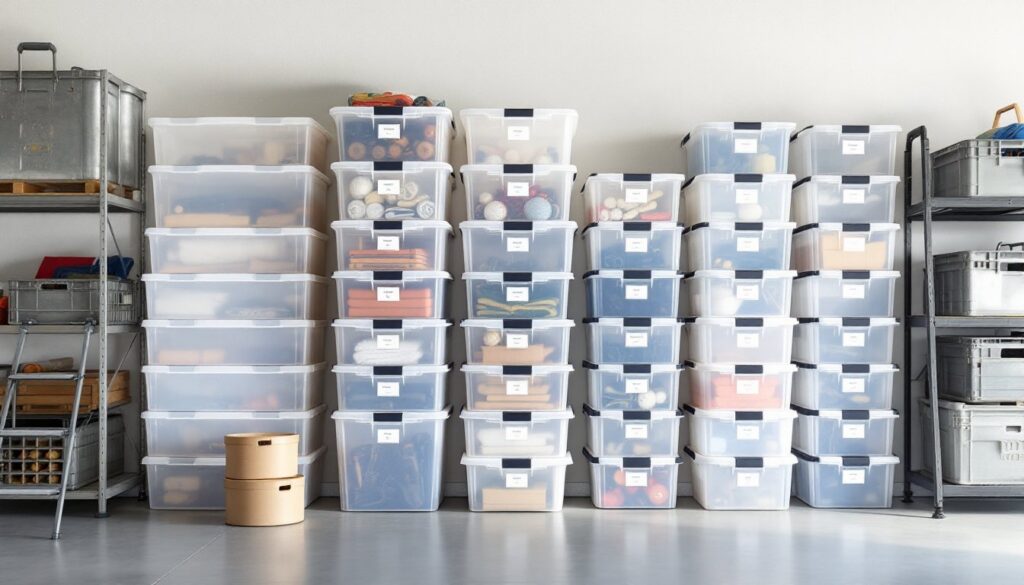
Warehouse storage bins aren’t just for commercial spaces anymore. Homeowners gravitate toward them because they deliver real, measurable benefits. First, they stack efficiently, turning wasted vertical space into usable storage, a 4-foot wall can hold multiple bins stacked 3 or 4 high. Second, they’re built to last: most withstand temperature swings, humidity, and rough handling without cracking or warping. Third, they’re transparent or semi-transparent options let you spot contents at a glance without opening every container.
The durability factor matters most. Flimsy plastic totes fail after a few years of garage heat and cold: warehouse-grade bins are engineered for years of service. Stackability keeps items organized and accessible. Unlike shelving that requires assembly and takes up floor space, bins slide onto existing shelves or stack directly on floors. When life shifts, moving, renovating, or simply reorganizing, bins move with you. Wire Shelving: Transform Your complements bins well, giving you flexible storage that adapts to changing needs.
Types of Warehouse Storage Bins to Consider
Plastic Stackable Bins
Plastic bins dominate the warehouse storage market for good reason. High-density polyethylene (HDPE) or polypropylene bins resist moisture, pests, and temperature shifts, ideal for garages, basements, and attics. They come in standard sizes: 27-gallon, 50-gallon, and 66-gallon bins are common. The 27-gallon size works well for closets and small spaces: the 66-gallon handles bulkier seasonal items. Look for reinforced bottoms and locking lids: cheap bins warp under weight or pop open during stacking.
Tra Pricing on plastic bins ranges from $15 to $50 per bin depending on size and lid type. Translucent options cost slightly more but let you identify contents without labeling. Heavy-duty models with handles are worth the extra cost if you’ll move bins frequently. Smart Storage Solutions: Transform shows how organized spaces start with the right container choice. Stack them 4 or 5 high without worry: modern plastic warehouse bins handle that weight without deformation.
Metal Storage Crates
Metal crates, usually galvanized steel or powder-coated variants, suit garages, workshops, and unfinished basements. They’re heavier than plastic but withstand extreme temperatures and last decades. A standard metal crate measures roughly 18″ × 24″ × 12″ and costs $30 to $80. Welded frames keep contents secure even when stacked tightly. Metal doesn’t off-gas: it’s a good choice if you’re storing items sensitive to chemical exposure.
Downside: metal crates take more floor space and don’t offer weatherproofing like sealed plastic. They suit tools, automotive parts, or workshop inventory better than delicate seasonal décor. Rust becomes an issue in damp climates unless you invest in powder-coated or galvanized variants. Weatherproof Storage: The Ultimate explores protection options when moisture is a concern.
Key Features to Look For When Selecting Bins
Before buying, zero in on these features:
Size and Capacity. Measure your storage space first. A 66-gallon bin won’t fit every shelf. Match bin dimensions to your walls and ceiling height. Odd-shaped spaces suit smaller 27-gallon bins: wide-open garages handle large bins well. Calculate total capacity: ten 50-gallon bins store 500 gallons. That’s roughly equivalent to 20 standard cardboard boxes, far more dense.
Lid Type and Durability. Snap-fit lids work fine for climate-controlled attics: weatherproof gasket lids protect against moisture in basements and garages. Check hinge quality. Cheap plastic hinges crack: reinforced metal or molded hinges last longer. Locking lids prevent accidental spills, important if you’re stacking high or have kids or pets.
Material Grade. Virgin plastic (first-use resin) resists fading and brittleness better than recycled plastic. Industrial-grade HDPE is stiffer and more durable than standard polyethylene. Metal crates should be galvanized or powder-coated to resist rust in humid climates. Check weight ratings: quality bins list load capacity per unit and maximum stack height.
Stackability and Handles. Ergonomic handles reduce strain when moving bins. Nested designs let you store empties compactly. Interlocking edges or rubber feet prevent slipping during stacking. Storage Bags: Transform Clutter complements bins for items too small or oddly shaped for rigid containers.
Transparency. Clear or translucent bins let you see contents at arm’s length. Opaque bins hide clutter visually but require labeling systems. Frosted or tinted translucent options offer a middle ground, visibility without being completely see-through. Interior dividers help corral smaller items within larger bins, especially useful for tool storage or hardware.
How to Organize Your Space With Storage Bins
Organization isn’t just buying bins: it’s creating a system that works.
Step 1: Declutter First. Before buying a single bin, sort your stuff. Keep, donate, sell, or trash, be ruthless. Bins aren’t a license to keep things: they’re a container for what you genuinely need or value. You’ll need fewer bins if you’ve already purged.
Step 2: Group by Category. Seasonal items (holiday decorations, winter coats) go in labeled bins. Tools and hardware fill separate bins by type. Off-season clothing deserves its own section. Grouping prevents the “Where’s the Christmas tree?” scramble in November. Use consistent labeling, a waterproof label maker beats hand-written masking tape that peels off.
Step 3: Arrange by Access Frequency. Bins you access monthly go at eye level or waist height on shelves. Seasonal items live on upper shelves or on the floor. Heavy bins belong low: light ones stack higher. Keep a simple inventory list posted nearby so family members know what’s stored where.
Step 4: Use Vertical Space Ruthlessly. Stack bins to ceiling height where safe, usually 4 or 5 high depending on total weight. Use a sturdy step ladder to reach top bins. Avoid stacking unstable bins: always verify load ratings. Home Depot Storage Boxes: and similar resources show how strategic placement maximizes every square foot.
Step 5: Leave Room for Growth. Don’t pack shelves so tightly bins become impossible to remove. Allow 2–3 inches of clearance on each side for easier retrieval. A disorganized system you can’t access defeats the purpose. Flexibility matters, leave one or two empty shelves for new items that arise throughout the year.
Research from leading home organization sites like Real Simple emphasizes that the best storage system is one you’ll actually use and maintain. Bins only work if they’re accessible and labeled clearly. Spend the time upfront documenting what goes where, and your system will pay dividends for years.
Conclusion
Warehouse storage bins solve one of homeownership’s biggest headaches: finding space for everything without tripping over clutter. Whether you choose durable plastic stackable bins or robust metal crates depends on your climate, budget, and what you’re storing. The key is selecting bins sized appropriately, stacking them thoughtfully, and labeling everything. A well-organized space isn’t just pleasant to look at, it saves time, protects your belongings, and makes daily life smoother. Start small, measure twice, buy once, and you’ll have a storage system that works for years to come.