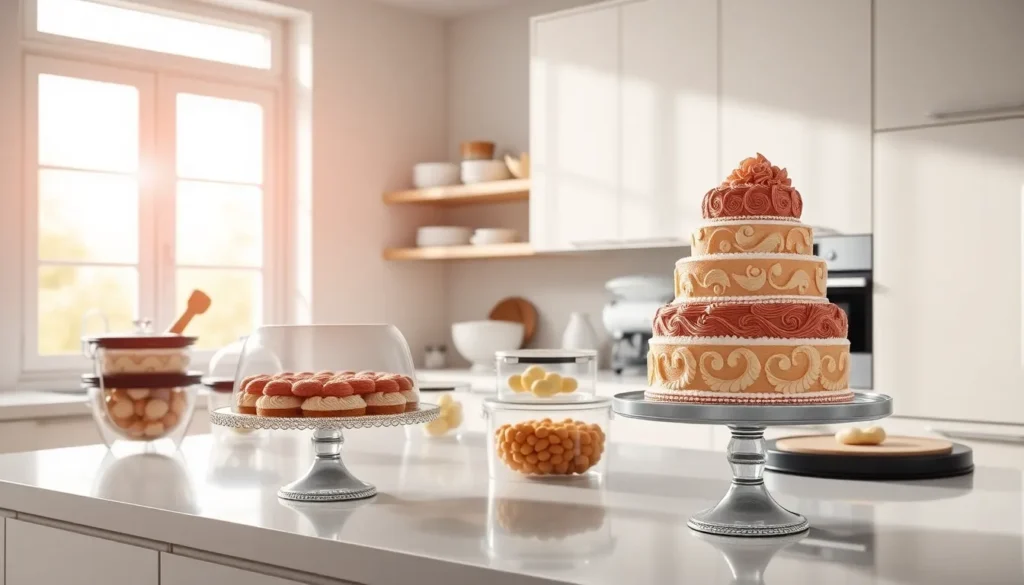
In the delightful world of desserts, there’s a true hero that shines brighter than the rest: cake. But what happens when that cake becomes more than just a five-minute snack? Keeping cakes fresh is an art, and if you’ve ever bitten into a slice only to find it stale, you know the heartbreak. Fear not, fellow cake lovers. With just a sprinkle of knowledge and a dash of humor, this guide will equip you with all the essential tips for proper cake storage. From understanding the unique needs of different cake types to avoiding the common pitfalls that lead to a sad, dry cake, we’ve got you covered. Now, let’s dive deep and discover how to ensure your cake stays as delightful as the day it was baked.
Understanding Cake Types and Their Storage Needs
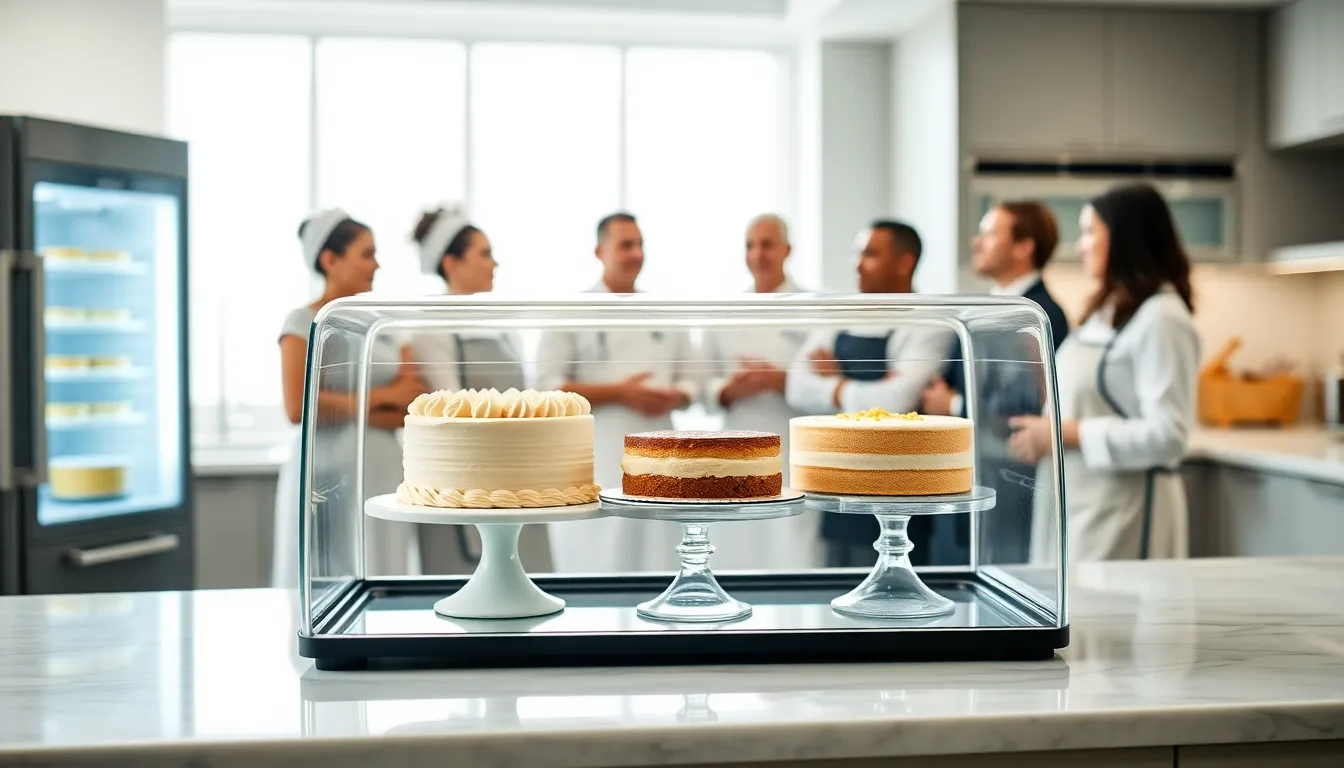
Cakes come in all shapes, sizes, and flavors, and they each have distinct storage needs. Understanding these can mean the difference between a tender, moist slice and a crumble that’s better suited for the compost.
- Butter Cakes: These classics, like pound cake and vanilla butter cake, contain fat and often fare well at room temperature for a few days. They should be stored in an airtight container to keep them moist, yet, they can also tolerate refrigeration if necessary, just be cautious of the chilling effect.
- Sponge Cakes: Lightweight and airy, they should be wrapped carefully to avoid drying out. Typically, sponge cakes last longer when kept at room temperature, without the unnecessary chill of a refrigerator.
- Cheesecakes and Custards: With their creamy textures, they demand cool environments. Refrigeration is a must for these beauties, where they can last a week if stored correctly.
- Decorated Cakes: Those show-stoppers featuring whipped cream or intricate fondant designs require special attention. They usually need refrigeration, but letting them sit at room temperature for brief periods before serving can enhance their flavors. Understanding these nuances can help tailor storage strategies to maintain the integrity and taste of each cake.
Room Temperature Storage for Short-Term Freshness
For cakes that are destined to be devoured in a short timeframe, room temperature storage is the way to go. But, not just any corner of the kitchen will do. Here are the steps to ensure optimal cake freshness:
- Choose the Right Location: Find a cool, dry spot away from sunlight and heat sources: this will keep conditions more favorable. Here’s a tip: above the microwave is usually a no-go.
- Airtight Containers Are Key: Regardless of whether it’s a wrapped cake or in a cake dome, ensuring an airtight seal is essential. This prevents moisture loss while keeping pesky odors at bay.
- Don’t Forget the Slicing: Once you slice into a cake, it becomes more vulnerable. Use cling wrap to cover the cut edges without making the cake too sticky. Want a pro tip? Place a piece of parchment paper between the cling wrap and the cake to help with the stickiness.
Generally, cakes stored at room temperature can remain fresh for up to three days. But, beyond that, the refrigerator or freezer becomes a more sensible option.
Refrigeration: When and How to Store Cakes
Refrigeration is a game-changer for some cakes, but it involves certain rules. Here’s how to navigate this chilly territory effectively:
- When to Refrigerate: Cakes with perishable fillings or frostings, like cream cheese or whipped cream, need to be popped into the fridge. Also, if left out for more than three days, refrigeration becomes advisable too.
- Wrap It Right: Before placing the cake in the fridge, wrap it in plastic wrap or foil. This prevents the cake from absorbing odors and also helps retain moisture. Alternatively, a cake box can provide extra protection as well.
- Storing Layers Separately: If you have a tiered cake, separating the layers with parchment paper and storing them without stacking can help maintain their decoration and structural integrity.
Generally, refrigerated cakes can last about a week, but the sooner they’re enjoyed, the better.
Freezing Cakes for Long-Term Preservation
Need to store cakes for a special occasion well in advance? Freezing is an excellent option.
- Select the Right Cake: Most cakes freeze well, but avoiding those with delicate frostings, like whipped cream, is often best. Opt for buttercream or fondant frostings instead.
- Wrap It Properly: After the cake has cooled completely, wrap it tightly in plastic wrap. Follow up with a layer of aluminum foil to protect against freezer burn.
- Labeling is Essential: Use freezer-safe labels to mark the date and type of cake for easy identification later. Nobody wants to dig through the freezer wondering if that’s chocolate or fruitcake.
When you’re ready to enjoy, thaw the cake overnight in the fridge, and you’ll find that it’s just as delightful as when it was freshly baked. Cakes can be frozen for up to three months without losing their charm, making your future celebrations a piece of cake.
Common Mistakes in Cake Storage to Avoid
Even the most seasoned bakers can fall into traps when it comes to cake storage. Here are things to steer clear from:
- Not Covering the Cake: Leaving a cake uncovered is a recipe for disaster. It leads to a dry and crumbly texture that no one will enjoy.
- Storing Warm Cakes Immediately: Patience is a virtue. Putting a warm cake in the fridge can lead to condensation, all the moisture trapped where it shouldn’t be. Instead, always cool the cake completely before storing.
- Keeping Cakes in the Fridge Too Long: While refrigeration has its advantages, leaving a cake in the fridge more than a week can negatively affect its taste and texture. Enjoy it while it’s fresh.
- Using the Wrong Containers: Generic containers can seriously impair freshness. Rely on proper cake domes or airtight containers designed specifically for cakes.
By avoiding these common pitfalls, cake lovers can ensure longer-lasting, fresher cakes.
Tips for Storing Decorative Cakes
Decorative cakes are the crowning glory of any celebration but they also require special care. To keep them looking as stunning as they taste:
- Transport with Care: If moving a decorated cake, secure it in a cake box. Use a non-slip mat in the vehicle to prevent sliding, especially during turns.
- Avoid Touching the Icing: Decorating takes skill, and touching the frosting can leave fingerprints or even ruin designs. Handle with care.
- Limited Exposure to Air: Decorative cakes often consist of fragile elements like fondant. Store in a cool, dry place, and limit air exposure by covering loosely, not too tight.
By taking these extra precautions, bakers can maintain their cake’s beauty long after it’s left the oven.