Table of Contents
ToggleClutter has a way of creeping into every corner of a home, closets overflow, basements become black holes, and under-bed spaces turn into forgotten storage voids. Cardboard storage bins offer a practical, affordable answer to this universal problem without requiring renovation, professional help, or very costly. Whether you’re reorganizing a nursery, consolidating seasonal items, or creating a functional garage system, cardboard storage bins deliver reliable containment and easy labeling at a fraction of the cost of plastic alternatives. In 2026, with rising living costs and a growing focus on sustainability, smart homeowners are choosing cardboard bins as their go-to solution for reclaiming order in every room.
Key Takeaways
- Cardboard storage bins offer an affordable, sustainable solution costing $3–$15 per unit—far less than plastic alternatives—while delivering durability for 20–40 pounds of weight depending on construction quality.
- Double-wall corrugated cardboard with reinforced handles and an ECT rating of at least 32 ensures cardboard storage bins remain structurally sound when stacked three to four high and moved frequently.
- Proper labeling, color-coding by category, and strategic placement on pallets in moisture-controlled areas maximize the lifespan and functionality of cardboard bins in every room from bedrooms to garages.
- Cardboard bins naturally breathe and resist off-gassing, making them ideal for storing textiles, seasonal clothing, and sensitive items like photos and documents—especially when using archival-grade materials.
- Enhance visual appeal by covering bins with kraft paper or decorative contact paper, and monitor moisture and pest activity monthly to prevent silent damage to stored contents.
- Cardboard storage bins eliminate the need for costly renovations while reclaiming clutter from closets, basements, and under-bed spaces in every home.
Why Cardboard Storage Bins Are Perfect for Home Organization
Cardboard bins tick several boxes that other storage solutions struggle with. They’re lightweight, you won’t blow out your back hauling them around, yet sturdy enough to stack without collapsing under moderate weight. A standard corrugated cardboard box can handle 20–40 pounds depending on wall thickness and flute design (the wavy interior layer that gives cardboard its strength).
The affordability is undeniable. A quality cardboard bin costs $3–$15 depending on size, whereas plastic alternatives often run $15–$40 per unit. That difference scales fast when you’re outfitting an entire home.
Cardboard is also inherently sustainable. Most boxes are made from recycled materials and are fully recyclable at end-of-life, unlike plastic bins that can languish in landfills for decades. For homeowners conscious of their environmental footprint, this matters.
Another often-overlooked benefit: cardboard doesn’t off-gas or harbor odors the way some plastics do. It breathes naturally, making it ideal for storing textiles, seasonal clothing, and items in humid environments like basements or attics. And unlike wire shelving or open plastic crates, cardboard sides keep dust and pests away from stored items, critical when protecting heirloom quilts or vintage documents.
Choosing the Right Cardboard Bins for Your Space
Size and Capacity Considerations
Cardboard bins come in standardized sizes, typically ranging from small (12″ × 9″ × 8″) to extra-large (24″ × 18″ × 12″). Measure your storage space before purchasing. Will bins stack on shelving, fit in closets, or slide under furniture? A bin that’s an inch too tall defeats the purpose.
Capacity matters too. Small bins work well for media (DVDs, books), craft supplies, or office items. Medium bins handle seasonal clothing, holiday décor, and kitchen overflow. Large bins suit bulk storage, holiday wrapping supplies, camping gear, or garage tools. Don’t oversizes bins for heavy items: a stuffed large bin is nearly impossible to move.
Consider your workflow. If you access bins frequently, medium sizes balance capacity with easy retrieval. If bins are seasonal (winter clothes stored in summer), larger capacity per bin reduces the total number you’ll manage.
Durability and Material Quality
Not all cardboard is equal. Single-wall corrugated boxes are adequate for light storage: double-wall (two layers of fluting) provides significantly better protection and weight capacity. When purchasing bins specifically labeled for storage, rather than repurposing shipping boxes, you’re getting reinforced corners, stronger adhesives, and taped seams that won’t fail when you move them.
Check the ECT (Edge Crush Test) rating if available. A higher ECT indicates better load-bearing strength. For stacking bins three or four high, aim for double-wall construction and an ECT of at least 32.
Handles matter. Quality storage bins have reinforced hand holes or integrated handles that won’t rip when full. Poorly made bins will shred at the handles within a few moves. Test the handles before buying in bulk, this is where cheap bins fail first.
Look for acid-free and lignin-free construction if storing documents, photos, or valuables. Regular cardboard can discolor or degrade sensitive items over years. Archival-grade cardboard costs slightly more but provides genuine protection for irreplaceable materials. Many cardboard storage bins sold at large retailers meet these standards.
Creative Organization Ideas for Every Room
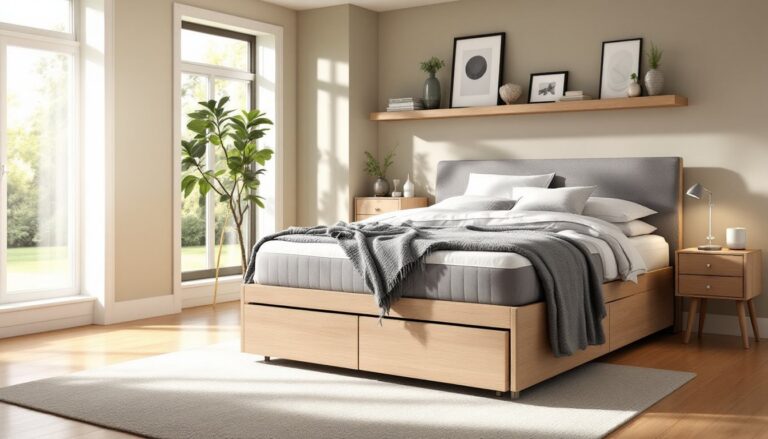
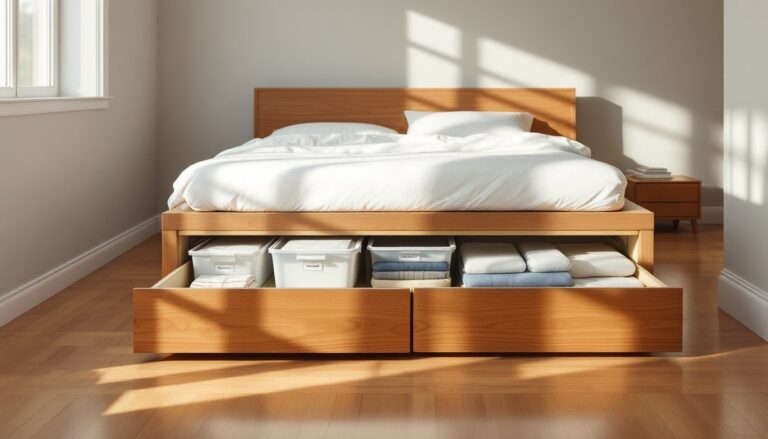
The bedroom benefits from under-bed bins, store off-season clothing, extra bedding, or holiday decorations out of sight but accessible. Label the sides clearly: you won’t remember what’s in a bin once it’s pushed against a wall.
In nurseries and children’s rooms, medium bins organize toys by category (blocks, toy vehicles, stuffed animals). Kids learn spatial organization and cleanup becomes a sorting game rather than chaos.
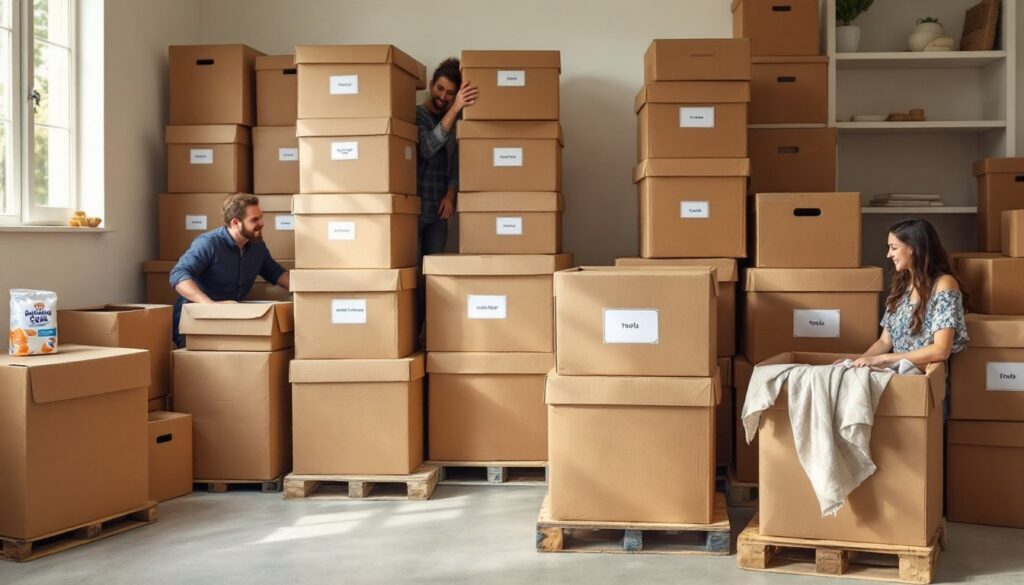
Garages transform with strategic cardboard bin placement. Group tools by task (painting supplies, electrical, fasteners). Seasonal items like holiday lights, patio cushions, and camping gear each get dedicated bins labeled with contents and storage location. This approach turns a garage from “where did I put that?” into a functioning workspace.
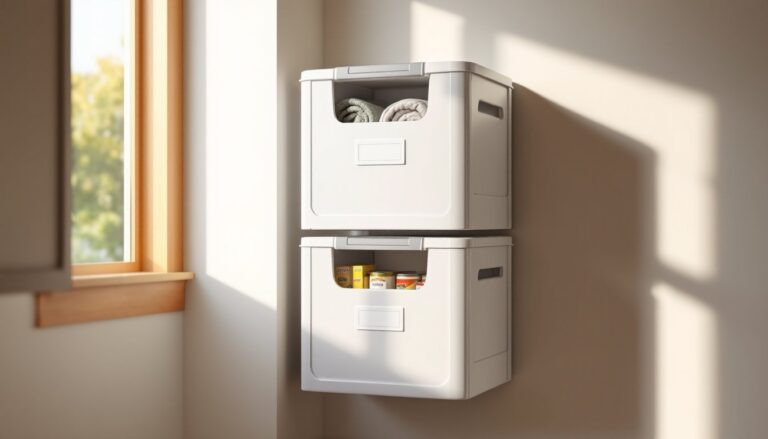
Attics and basements are cardboard’s native habitat. Temperature fluctuation and humidity are less harsh on cardboard than on cardboard-sensitive electronics or valuable antiques (which prefer climate-controlled closets), but cardboard still protects stored items reasonably well. Stack bins on pallets to keep them off potentially damp floors. Leave space between bins for air circulation: stacking them tightly against walls can trap moisture.
Home offices and craft rooms benefit from small and medium bins organized on shelving. One bin for stationery, one for mailing supplies, one for current projects. The best storage bins discussed by organizing experts often include cardboard options for exactly this application, affordable, stackable, and easily adjusted as needs change.
Making Cardboard Bins Stylish and Functional
Plain brown cardboard works functionally but looks utilitarian. Upgrade the aesthetic without extra cost by covering bins with kraft paper (adds rustic appeal), decorative contact paper, or fabric scraps glued to the sides. This is particularly effective in visible spaces like living rooms or bedrooms.
Labeling is non-negotiable. Use a label maker and consistent fonts for a cohesive look. Alternatively, paint a chalkboard section on the bin with chalkboard paint so you can adjust contents without reprinting labels. This works especially well for rotating seasonal storage.
Color-coding by room or category speeds up organization and makes it intuitive for family members. Red bins for holiday décor, blue for seasonal clothing, green for garden tools. Young kids learn to return items to the right bin faster when color acts as a visual cue.
For visible shelving (like office or craft storage), consider purchasing pre-finished cardboard bins with decorative exterior liners, or invest time in a cover-up project. Fabric bins with cardboard structure cost more but look polished in shared spaces. For purely functional storage (garage, basement, attic), save the aesthetic effort and focus on durability and labeling.
Organizing experts and designers often recommend solutions that blend function and form. Per Martha Stewart’s guide to storage bins, layering in decorative elements, even simple ones like matching lids or consistent labeling, transforms cardboard from “temporary fix” into an intentional design choice.
Maintenance Tips to Extend the Life of Your Bins
Moisture is cardboard’s primary enemy. In damp basements or humid climates, place a moisture-absorbing product (like silica packets or baking soda) inside bins. Monitor bins in high-humidity areas monthly: water damage happens silently and quickly ruins contents.
Protect bins from direct sunlight, which degrades cardboard and causes colors to fade. Store bins in interior spaces when possible, or cover them with a breathable cloth in sunny rooms.
Avoid overloading bins. Even double-wall cardboard has weight limits. A bin rated for 40 pounds shouldn’t hold 60 pounds because doing so stresses the structure and bottom seams. Distribute weight evenly and don’t stack bins beyond three or four high unless using industrial-grade construction.
Inspect bin interiors periodically, especially for signs of pests or mold. Cardboard can attract rodents or insects if conditions are right. Store cardboard bins on shelving or pallets, never directly on floors where they contact potential moisture or pests. Seal open seams with packing tape to eliminate entry points.
If a bin gets damaged (crushed corner, torn seam, soft spots from water), replace it. Attempting to salvage a compromised bin risks damaging the contents. Reinforcement tape is a quick fix for small tears, but structural damage means replacement time. For storage that’s meant to be permanent or long-term, the small cost of replacement bins is worth protecting what’s inside.