Table of Contents
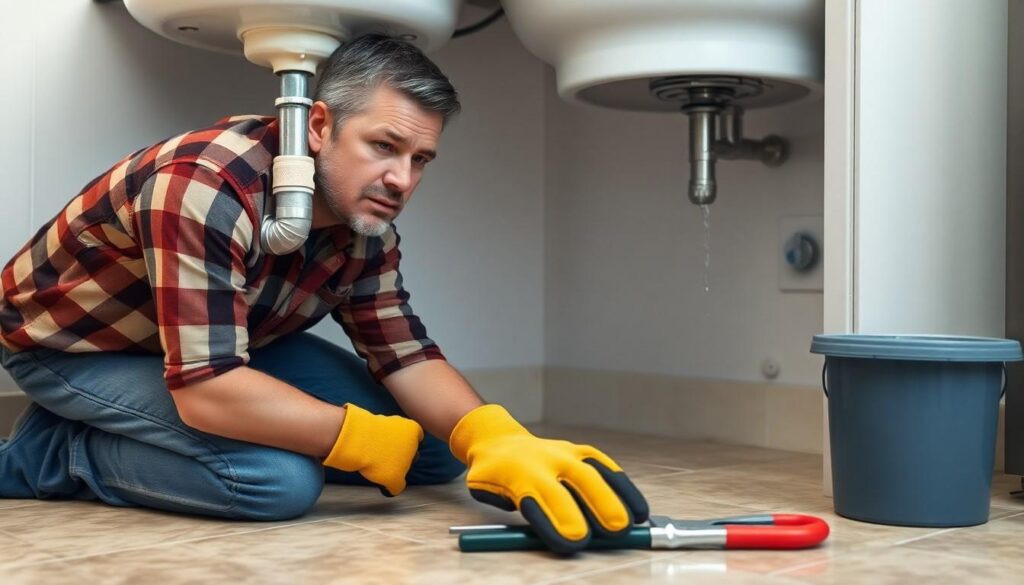
ToggleHomeowners insurance is like that trusty umbrella you carry on a sunny day—great until you realize it doesn’t cover everything. When the pipes start gushing like a fountain at a theme park, many folks wonder if their insurance will swoop in like a superhero. Spoiler alert: it’s not always that simple.
Understanding Homeowners Insurance
Homeowners insurance provides crucial financial protection for property owners. This type of insurance covers various events, including damage from fire, theft, and certain natural disasters. Coverage typically extends to the dwelling, personal property, and liability for injuries occurring on the property.
It’s vital to recognize the common exclusions in homeowners insurance policies. Many plans do not cover maintenance issues or damages caused by neglect. Plumbing problems can fall into this category. Homeowners often believe that all plumbing repairs are covered, but that’s not always the case.
Specific plumbing issues, such as external flooding or burst pipes, may receive coverage under certain circumstances. However, if the damage results from lack of maintenance or wear and tear, homeowners might face out-of-pocket expenses.
Reviewing policy details helps clarify what’s included. Standard policies regularly list covered perils and exclusions concerning plumbing coverage. Comparing different plans also enhances understanding of what options best fit individual needs.
Some home insurance providers offer endorsements or add-ons specifically for plumbing protection. Such endorsements can supply coverage for sudden damage not typically included in basic policies. The importance of having clear communication with insurance agents cannot be overstated. Asking about specific inquiries related to plumbing repairs ensures accurate information regarding potential coverage.
Ultimately, knowing the intricacies of homeowners insurance empowers property owners to make informed decisions. Understanding the difference between covered losses and exclusions helps prevent unexpected costs. Clarity in policy terms is essential for effective risk management in homeownership.
Coverage Overview
Homeowners insurance offers crucial protection for various plumbing-related incidents. Understanding what is covered, as well as what isn’t, helps property owners manage financial risks effectively.
What Is Typically Covered?
Commonly covered plumbing issues include damages from sudden events such as burst pipes or accidental water discharge. Coverage may also extend to damages caused by external flooding if specific circumstances apply. Water damage resulting from a fire or severe storm falls under many standard policies. Protection often includes repairs to both the dwelling and personal property damaged by covered plumbing events. Policies may cover additional living expenses incurred due to repairs, ensuring homeowners receive temporary financial support.
What Is Not Covered?
Homeowners should recognize that routine maintenance failures often lead to out-of-pocket costs. Insurance typically excludes damages from neglect, such as slow leaks or corroded pipes that deteriorate over time. Gradual wear and tear usually falls outside coverage parameters in homeowners policies. Preventable plumbing issues, including clogs, often result in denial of claims. Homeowners must also note that damage from sewer backups is not commonly covered unless specific endorsements are added to the policy. Understanding these exclusions can prevent financial surprises during critical times.
Plumbing Issues and Their Insurability
Homeowners often face plumbing issues that vary in severity and insurability. It’s essential to know which problems are typically covered by insurance policies.
Common Plumbing Problems
Burst pipes rank among the most frequent plumbing issues. These situations often result from freezing temperatures or excessive pressure buildup. Clogged drains also pose significant challenges, leading to overflow and water damage. Leaky faucets and fixtures, while seemingly minor, can cause substantial water waste over time. Insurance may cover severe cases, but homeowners must clarify policy details to understand coverage limitations.
Causes of Plumbing Failures
Many plumbing failures stem from aging infrastructure. Old pipes and fixtures degrade over time, increasing the likelihood of leaks and breaks. Improper installation of plumbing systems can also lead to persistent issues. Neglect and lack of maintenance contribute significantly to plumbing failures, as they cause gradual deterioration. These factors often fall outside homeowners insurance coverage, emphasizing the need for regular upkeep to prevent avoidable costs.
Claim Process for Plumbing Repairs
The claim process for plumbing repairs can be straightforward but requires careful attention to detail. Homeowners should understand the essential steps to navigate the system effectively.
Steps to File a Claim
First, contact the insurance provider to report the plumbing issue. He or she should provide a clear description of the incident. Next, complete any necessary claim forms as directed by the agent. After submitting the forms, an adjuster will evaluate the situation. Insurers often require prompt notification, so acting quickly can expedite the process. Approval typically comes after a thorough assessment of the damages. Following that, the homeowner will receive details regarding the coverage and potential payout for repairs.
Documentation Required
Collecting the right documentation is vital for successful claims processing. Start with photographs of the damage, capturing details of the plumbing issue. Include repair estimates from licensed contractors, which provide evidence of costs involved. Homeowners should also gather any relevant receipts for previous plumbing work. Insurance policies may ask for evidence of maintenance to establish proper care of the plumbing system. Finally, written communication with the insurance agent can serve as additional proof, clarifying any discussions held about coverage before the claim.
Tips for Homeowners
Homeowners can take specific steps to minimize plumbing issues and ensure they understand their insurance policy.
Preventative Measures
Regular maintenance plays a crucial role in preventing plumbing problems. Inspecting pipes and fixtures quarterly can help identify potential leaks or wear before they escalate. Homeowners should clear drains and keep gutters free of debris to ensure proper water flow. Additionally, monitoring water pressure can prevent burst pipes, especially during winter. Investing in high-quality plumbing materials ensures longevity, while installing sump pumps in high-risk areas provides extra protection against flooding. Keeping records of maintenance can serve as documentation for insurance claims.
Choosing the Right Insurance Policy
Selecting the proper homeowners insurance policy requires careful consideration. Homeowners should review policy details to understand covered perils and exclusions. Comparing multiple quotes can help identify the best coverage options and prices. Some insurers provide endorsements for plumbing that cover sudden damages not included in standard policies. Communicating with insurance agents about specific needs and concerns ensures a clear understanding of coverage limitations. Reading customer reviews can offer insights into the reliability of claims processing and overall satisfaction with the provider. Taking these steps equips homeowners to make informed decisions about their insurance.
Homeowners insurance can provide essential coverage for certain plumbing issues but it’s crucial for property owners to understand its limitations. While unexpected events like burst pipes may be covered, damages from neglect or routine maintenance failures often aren’t. Homeowners should take proactive steps to maintain their plumbing systems and regularly review their insurance policies. This ensures they’re aware of what is covered and what isn’t. By staying informed and communicating with insurance agents, homeowners can better protect themselves from unexpected repair costs and make smarter decisions regarding their coverage options.