
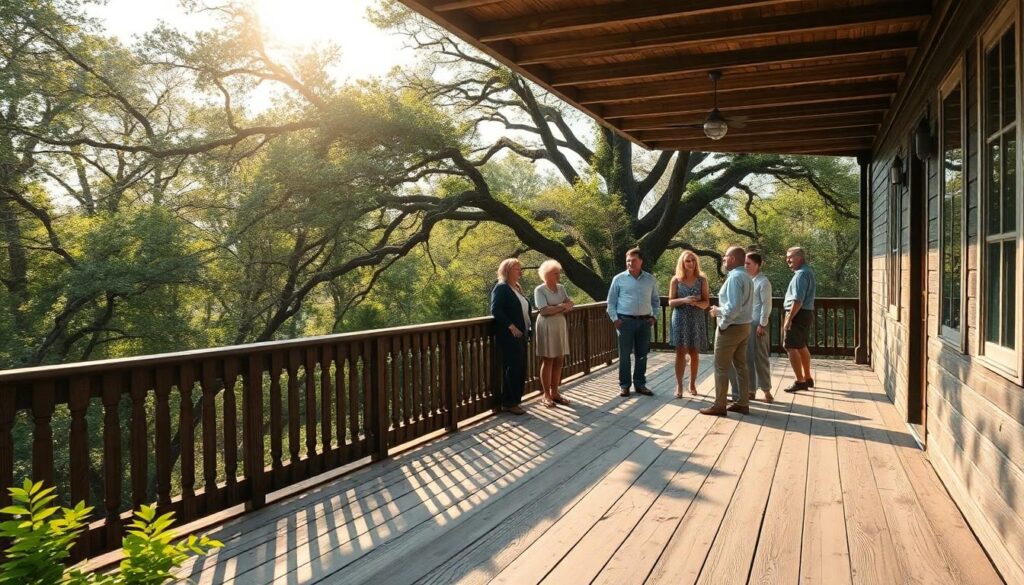
Imagine stepping onto a deck that’s seen centuries of history unfold beneath your feet. From the swaying ships of yesteryear to the grand porches of iconic homes, historic decks are more than just wood and nails; they’re portals to the past. They tell stories of laughter, tears, and the occasional spilled drink during a lively gathering.
These decks have weathered storms, both literal and metaphorical, standing strong as silent witnesses to the passage of time. Whether it’s the charm of a colonial porch or the rugged appeal of an old wharf, each deck holds a unique tale waiting to be uncovered. So, grab your favorite drink and let’s dive into the fascinating world of historic decks—where every plank has a story, and every creak is a reminder that history is just a step away.
Overview of Historic Decks
Historic decks represent an integral part of architectural history in various cultures. Each deck embodies unique designs and craftsmanship, showcasing the characteristics of different eras. Colonial porches featured intricate woodwork and served as gathering spots for families and neighbors. Old wharfs, on the other hand, functioned as vital points for trade, connecting communities and facilitating commerce.
Preservation efforts often highlight these structures, ensuring that their stories endure through generations. Specific tactics enhance the longevity of historic decks, such as restoring original materials and using period-appropriate techniques. Decks like those of the Victorian era demonstrate ornate details, reflecting the aesthetic values of their time.
Communities often celebrate these decks during heritage festivals, allowing visitors to experience their historical significance firsthand. They evoke memories of social interactions and cultural practices that took place on their planks. The stories tied to each deck enhance the understanding of local history and heritage, fostering greater appreciation.
Examples abound across America, from the sunlit terraces of the South to the sturdy piers in New England. Each deck showcases various building materials, including wood, stone, and metal, which contribute to their unique appeal. A deck from the early 20th century may display elements of modernism that attract architectural enthusiasts.
Visitors can learn about these enduring symbols of human connection and resilience. Historic decks stand not only as physical structures but also as storytellers, preserving the essence of community life and individual experiences. The allure of these decks lies in their ability to bridge the past and present, inspiring continued admiration and reflection.
Significance of Historic Decks
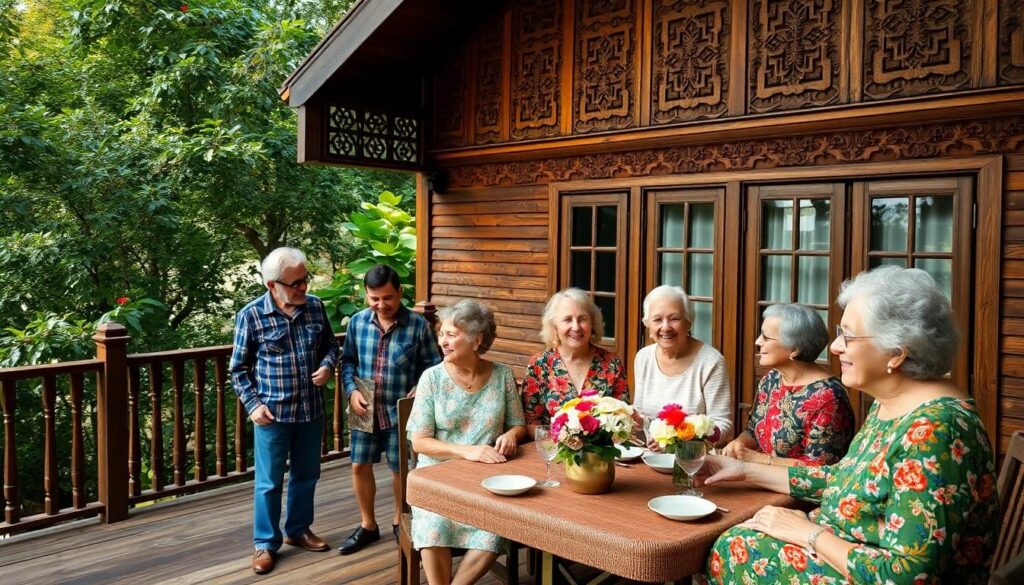
Historic decks hold cultural and architectural value that extends beyond their physical presence. Each structure archives the stories and experiences of the communities that constructed them.
Cultural Importance
Cultural significance manifests through the gatherings and celebrations that historic decks hosted. They served as backdrops for weddings, family reunions, and local festivals, anchoring social bonds within neighborhoods. In many cases, these decks offer insight into the customs and traditions of different eras. Almost everywhere, people connect to their heritage by engaging with these spaces. Events held on these decks represent shared histories, reinforcing community identity in profound ways. Heritage festivals often bring awareness to these spaces, spotlighting their role in collective storytelling.
Architectural Styles
Architectural styles of historic decks reflect the craftsmanship and design principles of their time. From colonial porches with elaborate woodwork to simple clapboard structures, variety flourishes across regions. Decks in the South often feature sweeping verandas for relaxation, while New England piers highlight sturdiness and utility. Each style represents innovations and adaptations to climate and environment. Moreover, these designs emphasize aesthetic values tied to cultural identity. The materials utilized in construction, such as local woods or iron railings, showcase the unique resources available. Preservation of these historic decks retains both their architectural integrity and cultural resonance.
Notable Examples of Historic Decks
Historic decks showcase architectural diversity and cultural significance. Each era’s design embodies the stories of communities and the events that shaped their landscapes.
Decks from the Colonial Era
Colonial decks often featured intricate woodwork and spacious layouts. Porches served as social hubs, reflecting the architectural styles of the 17th and 18th centuries. Many structures utilized local materials, enhancing community character. These decks often connected indoor and outdoor spaces, promoting a lifestyle centered around gathering. Notable examples include the elaborate porches found in Williamsburg, Virginia, which attract visitors, eager to experience history firsthand.
19th Century Deck Designs
The 19th century brought innovation to deck design, emphasizing function and aesthetics. Victorian decks showcased ornate railings and vibrant colors, adding elegance to homes. Many decks featured decorative brackets and spindle work, often inspired by the Romantic architectural movement. Regional variations appeared as builders adapted designs to local climates. Historic locations, like San Francisco’s Painted Ladies, exemplify this period’s charm and craftsmanship.
Modern Interpretations
Modern designers embrace historic decks while integrating contemporary materials and techniques. Current designs often prioritize sustainability and accessibility. Many architects draw inspiration from past styles, blending tradition with innovation. Porches and terraces focus on creating inviting outdoor spaces for relaxation and entertainment. Current examples can be seen in urban areas, where historic elements meet modern aesthetics, ensuring continuity in architectural heritage.
Preservation Efforts
Preservation efforts play a critical role in maintaining the integrity of historic decks. Each deck faces unique challenges that threaten its longevity.
Challenges in Preservation
Weathering poses significant challenges to historic decks. Exposure to harsh environmental conditions can lead to deterioration of materials. Aging wood and structural instability require constant attention. Budget constraints hinder many preservation initiatives, limiting available resources for restoration. Furthermore, the use of improper materials can compromise a deck’s historical authenticity. Communities sometimes struggle to balance modern needs with the necessity of preserving the past. These factors collectively impede the preservation of these vital historical structures.
Successful Restoration Projects
Successful restoration projects demonstrate the potential for historic deck preservation. In Williamsburg, Virginia, a meticulous restoration has brought colonial porches back to their original splendor. Damage from weather and time has been skillfully addressed, utilizing traditional woodworking techniques. San Francisco’s Painted Ladies also illustrate success, showcasing restored Victorian decks that reflect their vibrant heritage. Local organizations often support efforts through fundraising and volunteer initiatives, ensuring historic decks remain community landmarks. These projects set a precedent for future preservation endeavors, reinforcing the importance of maintaining architectural and cultural histories.
Historic decks embody the essence of community and heritage. They invite exploration and reflection on the stories they hold. As symbols of resilience they connect the past with the present in meaningful ways.
Preservation efforts ensure these structures continue to inspire future generations. By valuing their architectural diversity and cultural significance communities can maintain a tangible link to their history.
Engaging with historic decks not only enriches understanding of architectural styles but also fosters appreciation for the social interactions that shaped local identities. Each deck stands as a testament to the craftsmanship and shared experiences of those who came before.