

Ever thought about transforming that drab, old piece of furniture into a stunning focal point? Staining furniture can breathe new life into your decor while making you feel like a DIY hero, and who doesn’t want that kind of bragging right? If your wooden treasures have seen better days, don’t fret. This guide will walk you through the art of staining furniture, arming you with knowledge, humor, and maybe even a newfound love for woodwork. Get ready to roll up those sleeves.
Understanding Furniture Stain
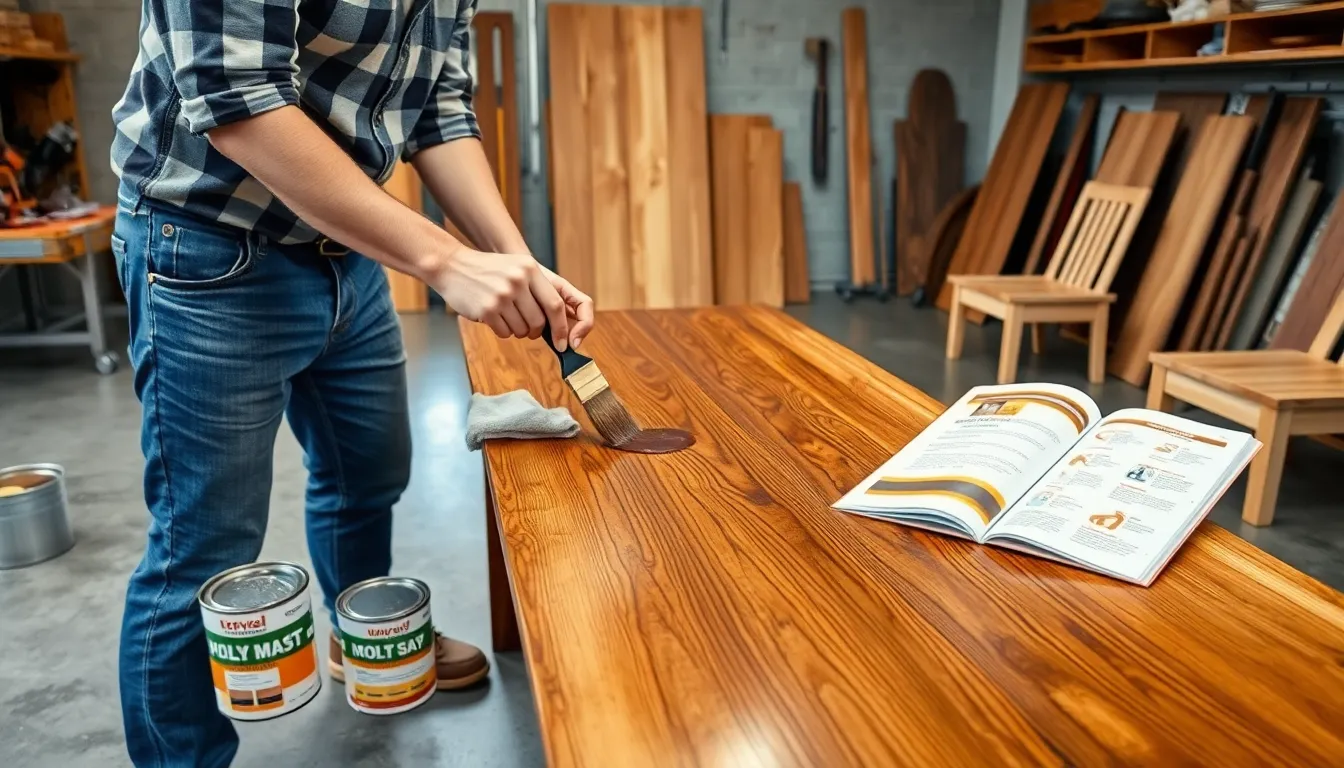
Before diving in, it’s crucial to understand what furniture stain actually is. At its core, a stain is a pigmented liquid, designed to penetrate the wood, enhancing its natural beauty while providing color. It’s like makeup for furniture, except you don’t have to worry about it smudging.
When applied correctly, stains can highlight the grain and texture of the wood, making each piece unique. But, just like a fine wine, not all stains are created equal. Knowing how different stains work is key to a flawless finish.
Types Of Furniture Stains
There are several types of furniture stains available, and each has its own characteristics. Here’s a quick rundown:
Water-Based Stains
These are a popular choice due to their ease of use and quick drying time. They’re also less harmful to the environment, kind of like eco-friendly coffee.
Oil-Based Stains
Rich in color and durable, these stains take a bit longer to dry but yield a more intense finish. They can add depth and warmth that will make your friends green with envy.
Gel Stains
Perfect for vertical surfaces, gel stains sit on top of the wood rather than soaking in. They provide an even coat, making them great for beginners. Think of them as the beginner’s ticket to furniture greatness.
Lacquer Stains
These stains dry quickly and are often used for a high-gloss finish. If you want your furniture to shine like a diamond, lacquer is your go-to.
Preparing Your Furniture For Staining
Preparation is half the battle, and it’s vital to have a clean slate before applying any stain. Start by removing any old finish. Whether it’s paint or varnish, using sandpaper or a chemical stripper will do the trick. Make sure to sand the surface evenly to avoid any irregularities.
Next, wipe down your furniture to remove dust particles and debris. Even a speck of dirt can spoil your masterpiece. Finally, apply a pre-stain conditioner if you’re using a water-based stain. It helps soften the wood fibers and ensures a smooth application.
The Staining Process
Now for the fun part, the actual staining process. Here’s how to do it:
- Gather Your Materials: You’ll need your chosen stain, a brush, foam applicator, or a clean cloth. The method of application matters: choose what feels right.
- Test First: Always do a test patch on a scrap piece of wood or an inconspicuous area. This way, you can see how the stain takes and adjust if necessary. It’s better to make mistakes on scrap than on your masterpiece.
- Apply the Stain: Dip your brush or cloth into the stain and apply it in the direction of the wood grain. Don’t rush, let the stain soak in.
- Wipe Off Excess: After a few minutes, use a clean cloth to wipe away any excess stain. This step is crucial for an even finish. Allow that beautiful piece a little time to dry, typically six to eight hours, but check product instructions.
Tips For Achieving The Best Results
To achieve the best results, consider these expert tips:
- Don’t Skimp on Ventilation: Stains can emit fumes that aren’t friendly to your lungs. Open windows, and wear a mask if necessary.
- Choose the Right Weather: Humidity can affect drying times and stain absorption. A dry, non-humid day is ideal.
- Be Patient: Sometimes, waiting is the hardest part. Allow adequate time for each layer of stain to dry before applying additional coats.
- Experiment with Techniques: Try different application techniques, whether you’re brushing, rubbing, or rolling. Everyone has their own secret sauce.
Maintenance After Staining
Once you’ve successfully stained your furniture, maintenance is key to keeping it looking fabulous. Here’s how:
- Keep It Clean: Dust regularly with a soft cloth.
- Avoid Harsh Cleaners: Use mild cleaners to avoid damaging the stain. Water, mild soap, and a soft sponge usually do the trick.
- Condition Every So Often: Depending on the type of stain used, applying a furniture polish every few months can add protection and shine.
- Check Humidity Levels: High humidity can lead to swelling, while a dry environment can cause cracking. Find a balance.