
Imagine walking into a kitchen that doesn’t just serve a purpose but radiates charm and functionality, all thanks to island furniture. You see it everywhere, on home improvement shows, in magazines, and even at your neighbor’s place where they host those infamous brunches. Not only does it serve as a centerpiece, but it also maximizes space in ways you never thought possible. Choosing the right island furniture can feel like navigating a maze, but fear not. This guide will take you through everything you need to know to make the best choice for your home.
What Is Island Furniture?
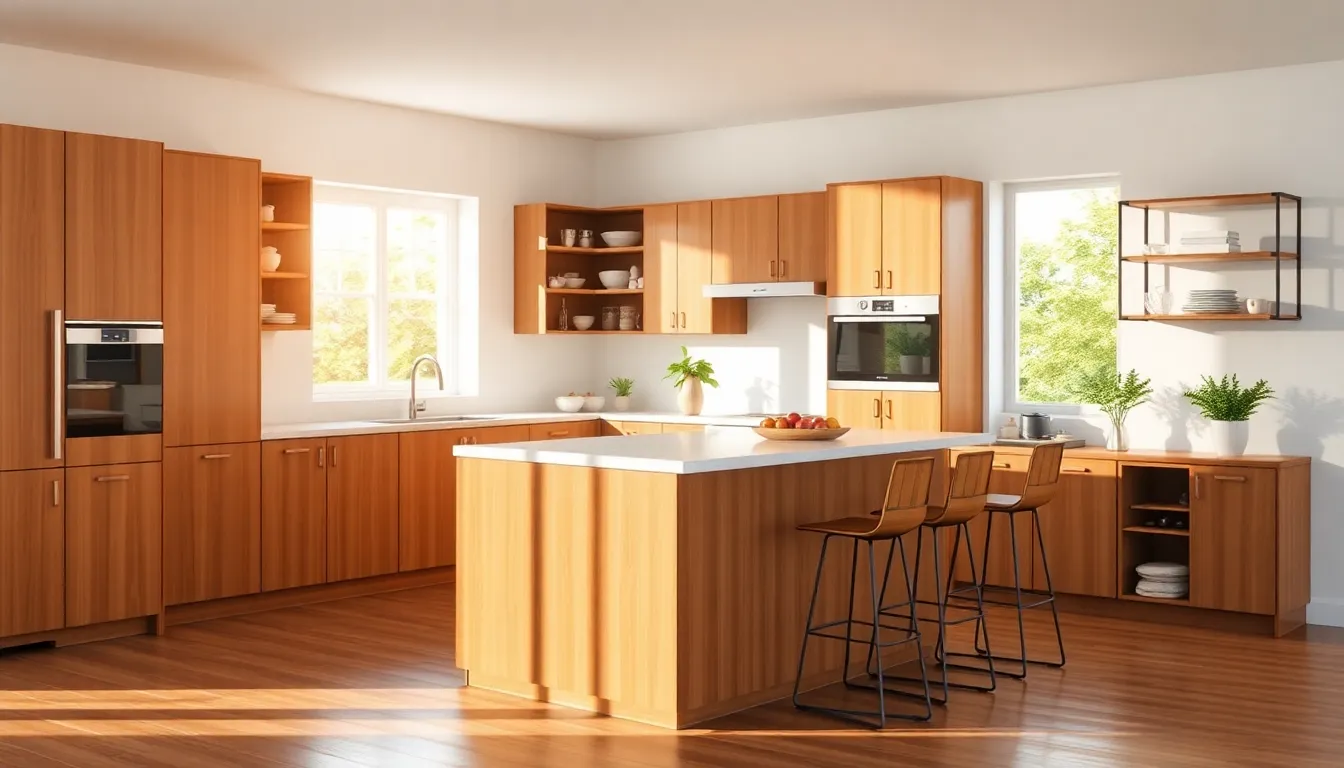
Island furniture is a versatile piece designed primarily for kitchens but can also shine in dining and living areas. Essentially, it refers to standalone units that resemble traditional kitchen islands, often outfitted with additional storage, seating, and countertop space. While these pieces can range from simple tables to more elaborate creations equipped with hooks, drawers, and built-in shelves, their charm lies in their adaptability. This type of furniture allows homeowners to create an inviting atmosphere while maximizing utility. Whether it’s a breakfast bar or a multi-functional kitchen hub, island furniture serves as the beating heart of any space.
Benefits of Island Furniture
The benefits of incorporating island furniture into a home are manifold. First and foremost, it enhances storage options. No one likes clutter, and island furniture offers built-in shelves and drawers that help keep items organized and easily accessible.
Another key advantage is the additional workspace it provides. Cooking enthusiasts appreciate having extra countertop space to prep meals, while others might find it a perfect spot for doing assignments or working from home.
Also, it fosters social interaction. An inviting space encourages family and friends to gather. When hosting, island furniture can serve as an informal dining area. It transforms cooking into a shared experience, where conversations flow as easily as the wine.
Besides, it can become a design focal point. With various styles available, it allows homeowners to express their personal taste while tying together existing decor in a room.
Types of Island Furniture
When discussing types of island furniture, variety is the name of the game. Here are some popular styles:
Kitchen Islands
These typically come equipped with cabinets, drawers, and sometimes even appliances. They act as a workstation for food preparation and a spot for casual dining.
Portable Islands
If flexibility is key, portable islands are for you. These usually come on wheels and can be moved around as needed, perfect for those who cherish adaptability in their homes. Their mobility allows for easy storage when not in use.
Breakfast Bars
These are typically narrower in design and come with stools. Ideal for smaller spaces, a breakfast bar can fit snugly against a wall or in an open kitchen layout.
Multi-Function Units
Some homeowners opt for multi-function units that combine various features, think storage, seating, and workspace all in one. These islands maximize every inch of space, embodying functionality.
Choosing the Right Island Furniture for Your Space
Choosing the right island furniture is paramount. Start by considering the available space. Measure your kitchen or dining area to understand where an island would fit seamlessly. You’ll want to ensure there’s enough room to walk around it without feeling cramped.
Next, think about the functionality you desire. Do you need more storage? Perhaps a specific style? This is the time to reflect on how you plan to use the island. Will it be for casual gatherings, meal prep, or both? This will guide your selection process.
Finally, consider the materials and design. Opt for something that complements your existing decor. Whether you go for a rustic wooden island or a sleek, modern design, ensure it feels cohesive with your overall style.
Remember, the right choice isn’t just about aesthetics: it’s about creating a harmony between style and practicality.
Maintaining Your Island Furniture
Proper maintenance extends the life of your island furniture, making it a valuable long-term investment. Start with basic cleaning. Most surfaces require simple soap and water to remove spills and dirt. Avoid abrasive cleaners that could damage the material.
For wooden islands, consider applying varnish or oil periodically to maintain its luster and protect against moisture. Check the hardware such as handles and hinges, ensuring they remain functional. Tighten loose screws to avoid any mishaps.
In terms of styling, adding accessories like decorative bowls or cookbooks can uplift the island’s appearance while serving practical purposes. This keeps the area visually appealing and functional.