Table of Contents
ToggleIf you own a truck, you know the struggle: you’ve got a bed full of tools, fishing gear, lumber, or work equipment, and nowhere to put it without taking up precious cargo space or making everything a chaotic mess. Truck bed side storage is a practical solution that lets you reclaim valuable real estate in your truck while keeping gear organized and accessible. Whether you’re a contractor hauling equipment daily or a weekend warrior who needs a secure spot for camping supplies, the right storage setup transforms your truck from cramped to capable. This guide walks you through the most effective truck bed side storage options, how to pick the right one for your needs, and how to install it properly, no contractor license required.
Key Takeaways
- Truck bed side storage reclaims valuable cargo space while keeping tools organized, accessible, and protected from weather damage.
- Side-mounted toolboxes, rail systems, and custom wooden racks offer flexible options ranging from $50–$1,200 depending on your budget and weather protection needs.
- Proper installation requires measuring your bed width and payload capacity, using stainless steel or galvanized fasteners, and cleaning the bed to bare metal before mounting any storage.
- Audit your actual cargo weight and frequency first: heavy tools belong low in the bed, while light, frequently accessed items fit better in upper compartments or mounted organizers.
- Regular maintenance—re-checking bolts weekly and applying wood sealant to custom builds—prevents rust, vibration loosening, and extends the lifespan of your truck bed side storage by years.
Why Truck Bed Side Storage Matters
Truck bed real estate is premium, and most of us waste it. When you bolt storage to the sides of your bed, you free up the center for larger loads, keep tools from shifting during highway driving, and create a weather-sealed spot for things that can’t take the elements. Side storage also keeps heavy items low in the truck’s frame, which improves stability and fuel economy compared to stacking everything in the middle of the bed.
Beyond the practical benefits, organized side storage means faster job starts and fewer lost tools. Instead of digging through a tangled heap every morning, your wrenches, tape measures, and safety gear sit exactly where you left them. For contractors and tradespeople, this translates directly to saved time, and time is money. Even if you just use your truck for weekend projects, knowing your gear is secure and dry (not soaked by yesterday’s rain) makes the work less frustrating.
Types of Truck Bed Side Storage Options
Toolboxes and Chest Storage
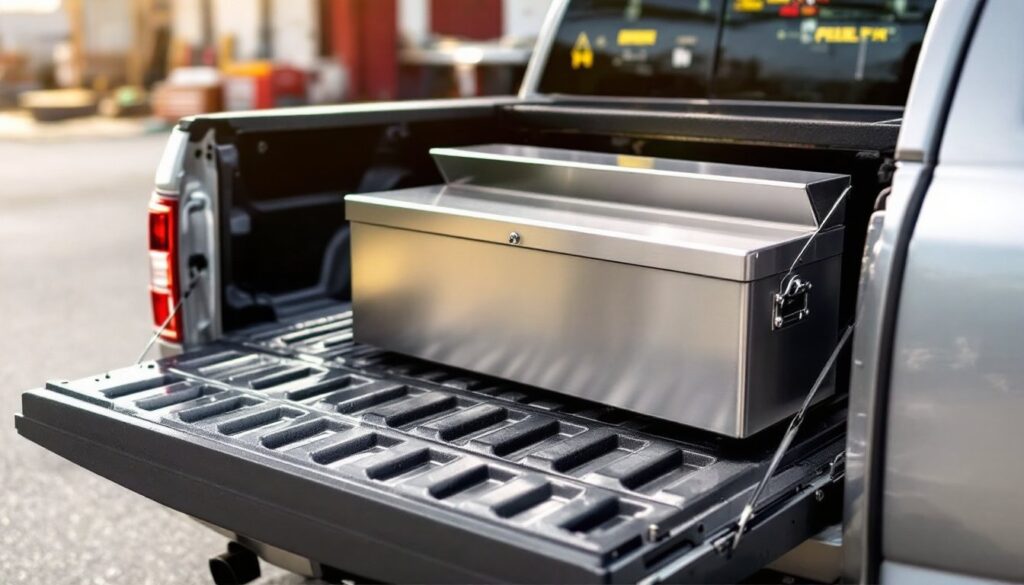
Side-mounted toolboxes are the workhorse of truck organization. These aluminum or steel boxes bolt directly to the truck bed rail or the side panel and come in two main styles: single-lid boxes (simple, affordable, about 36–48 inches long) and multi-drawer units (pricier but better for small tools and hardware). A typical single-lid box holds roughly 15–20 cubic feet and costs $200–$600 depending on material thickness and locking mechanisms.
When choosing a toolbox, consider depth: a shallower box (8–10 inches) leaves more interior bed space, while deeper units (14–18 inches) eat into your bed width but hold more. Aluminum boxes are lighter (important if you’re already maxing out payload), while powder-coated steel boxes resist corrosion better in wet climates. Look for stainless steel hardware on first mention to avoid rust-prone bolts.
One critical detail: verify your truck’s bed rail height and style before buying. Some boxes need bed rail clamps, others bolt through existing holes. A box that doesn’t fit flush wastes space and looks sloppy.
Rail Systems and Mounted Organizers
Adjustable rail systems screw or bolt to the inside walls of your bed and accept modular storage baskets, magnetic tool holders, and custom brackets. These systems (like those from leading aftermarket truck accessory brands) run $150–$500 for a full side-to-side setup but offer flexibility: you can reconfigure them as your needs change.
Mounted organizers, think canvas or weatherproof compartments that hang from side rails, cost less ($50–$200) and work well for frequently grabbed items like work gloves, flashlights, or tie-down straps. They don’t seal in weather like a toolbox, so they’re better for dry storage or items you don’t mind getting dusty.
For a budget-friendly option, some DIYers build custom wooden racks using 2×4 lumber (nominal size, roughly 1.5 inches by 3.5 inches actual) bolted to the bed. You can find step-by-step plans on Instructables or The Handyman’s Daughter, which cover beginner woodworking projects. Wooden builds let you customize depth, height, and compartment size to match your exact tools. Cedar or pressure-treated lumber resists rot better: avoid untreated pine, it’ll warp or rot within a year in a truck bed.
How to Choose the Right Storage Solution for Your Needs
Start by auditing what you actually carry. Pull everything out of your truck and sort it: heavy tools, small hardware, seasonal gear, and safety equipment. Weight and frequency matter. Heavy items (jacks, generators, spare tires) should sit low in the bed: light, frequently accessed tools belong in upper compartments or easily reached mounted organizers.
Next, measure your truck bed. Bed width varies (Ford F-150 is roughly 50–52 inches: older trucks may be narrower), and a box that’s a couple inches too wide creates a dangerous pinch point or hangs over the rail. Bed length also affects storage placement: a short bed (5 feet) has less side-mounting real estate than a standard 6.5-foot bed. Check your truck’s payload capacity in the owner’s manual, a fully loaded toolbox plus other gear adds 300–600 pounds, and you can’t exceed that limit without risking frame damage or brake failure.
Budget matters, too. A basic single-lid aluminum box solves most problems at $200–$400. If you need weather sealing, drawer organization, and heavy-duty locks, budget $600–$1,200. DIY wooden racks split the difference: $100–$300 in materials, plus your time.
Consider climate. In dry regions, rail-mounted canvas organizers and open racks work fine. In areas with frequent rain or snow, a sealed box protects expensive tools and prevents rust. If you park your truck outdoors year-round, aluminum or hot-dipped galvanized steel outlasts painted steel by years.
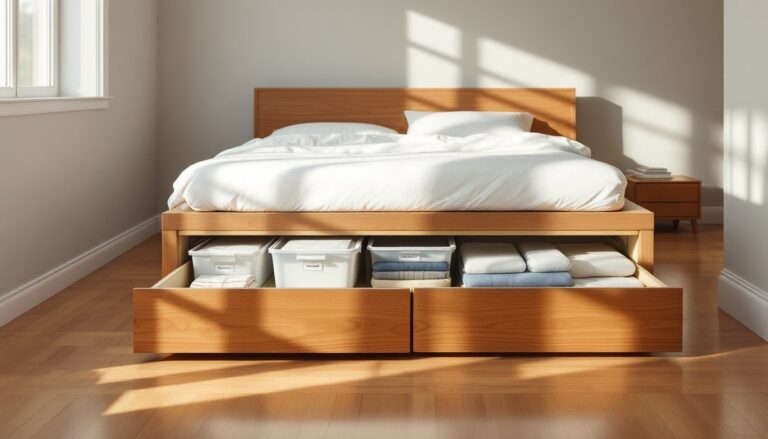
Finally, think about resale. A quality aftermarket toolbox often transfers to a new truck and increases buyer interest. A heavy-duty custom-built box may not, so factor that in if you plan to sell the truck in a few years. Some owners find that a full size storage bed frame principle, maximizing vertical and horizontal space at once, also applies to truck storage strategy, though truck beds don’t offer the same bedroom-style options.
Installation Tips and Best Practices
Before you bolt anything on, clean your truck bed down to bare metal or paint. Mud and debris under a toolbox trap moisture and cause rust. Wipe it with a degreaser, dry it completely, and let it sit uncovered for 24 hours, seriously. A damp bed under a sealed box becomes a rust factory.
Safety first: Wear safety glasses and work gloves when installing any storage. You’ll be cutting gasket material, torquing bolts, and possibly drilling holes. Use a socket wrench set (not a crescent wrench) to tighten bolts evenly. If you’re drilling into the bed, use a metal bit and a drill press or handheld drill with a sturdy grip, spinning metal can grab a loose hand and hurt.
For a side-mounted toolbox, measure twice before drilling or bolting. Check that the box clears the wheel well (the gap between tire and bed, failure here means a flat tire every time you turn). Use the factory hole pattern on the truck bed rail or bed panel if available: otherwise, you’re drilling your own. Mount the box as low as possible, bottom rail or close to it. A high-mounted box raises your truck’s center of gravity, affecting handling and fuel economy.
Use stainless steel or galvanized bolts and washers, never plain steel. The bolts that come with budget boxes are often weak: upgrade to grade 8 hardware if you’re carrying heavy loads. Torque to spec (typically 15–25 foot-pounds for bed-rail clamps: check the manual). Don’t over-tighten, stripped threads are a nightmare.
For rail systems and wooden builds, level everything before fully tightening. Use a torpedo level (a 2-foot level works) to ensure the rails run true. Crooked rails cause baskets to slide or doors to hang. Drill pilot holes before driving 3/8-inch bolts through bed rails, this prevents wallowing and keeps bolts from backing out during rough roads.
When installing a wooden rack, treat all cut surfaces with wood sealant or exterior paint before assembly. That includes the inside surfaces where fasteners sit. This one step adds 3–5 years to the life of your build. Use galvanized or stainless steel fasteners, 6-inch lag bolts or 1/2-inch grade 8 bolts with lock washers and nylock nuts. The lock washer prevents vibration from loosening hardware over time.
After installation, run the truck empty for a week and re-check every bolt. Trucks vibrate like crazy on the highway, and bolts will back out by half a turn. A quick weekly walk-around takes two minutes and prevents losing an expensive toolbox on the freeway.
One practical reference: those who’ve tackled truck conversions, like transformations discussed on Popular Mechanics’ guide to truck RVs, note that side storage is foundational to any long-term vehicle customization.
Conclusion
Truck bed side storage transforms an underused space into an organized asset. Whether you choose a ready-made toolbox, a modular rail system, or a custom wooden build, the key is matching the solution to your truck’s dimensions, payload capacity, and your actual storage needs. Clean your bed, use stainless or galvanized fasteners, and check your bolts regularly, that’s 90 percent of success. Your morning job site setup will be faster, your tools stay dry and organized, and your truck bed is free for what it does best: hauling large cargo.