Table of Contents
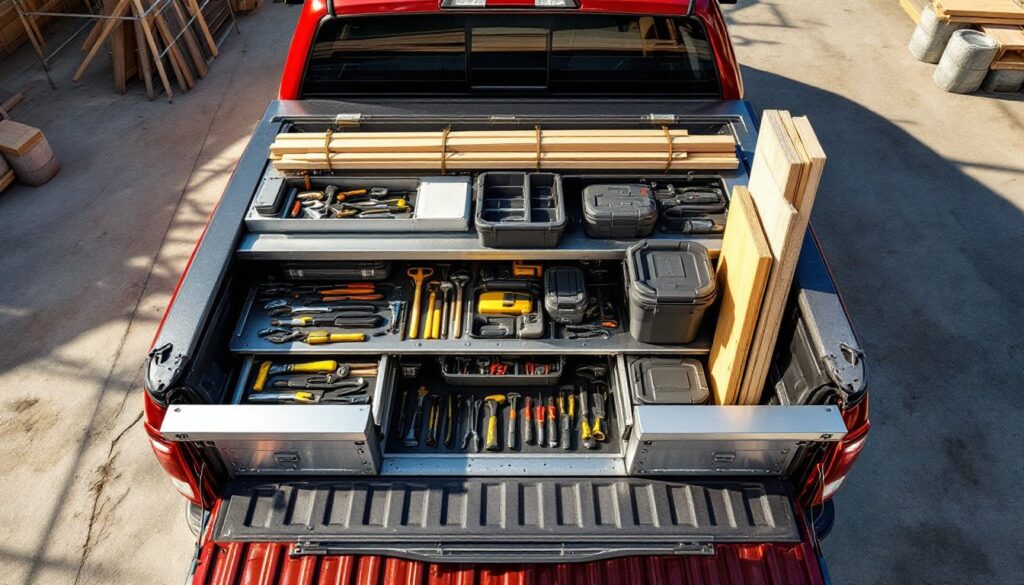
ToggleA cluttered truck bed wastes valuable space and makes every project harder. Whether you’re hauling building materials, camping gear, or tools, poor organization means wasted trips, lost items, and a constant scramble to find what you need. A truck bed storage organizer transforms that chaos into an efficient system. The right solution keeps gear accessible, protects equipment from weather and shifting cargo, and makes loading and unloading faster. This guide walks you through the options, from commercial tonneau covers to DIY compartments, so you can pick what fits your truck, budget, and real-world needs.
Key Takeaways
- A truck bed storage organizer eliminates wasted space, lost items, and safety hazards by securing cargo and keeping gear accessible and protected from weather.
- Choose between tonneau covers (best for weather protection and security), bed dividers (affordable compartmentalization), or DIY shelving (customizable and cost-effective) based on your actual truck usage and budget.
- Always verify your truck’s weight limit, measure your bed precisely (accounting for length, width, and rail type), and prioritize material durability for your climate to avoid costly mistakes.
- Use grade-8 stainless steel bolts, secure organizers at multiple points, and bolt through the bed rails rather than resting units loose to ensure road safety and prevent shifting cargo.
- Distribute weight low and toward the center-rear of the bed, inspect hardware quarterly, and test your truck bed storage organizer with a short drive before fully loading to catch issues early.
- DIY truck bed storage projects can save money while providing custom solutions, but require basic carpentry skills, proper weight distribution knowledge, and adherence to manufacturer warranty terms.
Why Truck Bed Organization Matters
A disorganized truck bed is more than just sloppy. Loose cargo shifts during turns, braking, and bumps, creating safety hazards and potentially damaging tools or materials. Items get wet, rust, or break when exposed to weather. Small parts, fasteners, bits, blades, disappear into cracks and under larger items, costing money and time when you need them on a job.
Organization also cuts frustration. Instead of digging through piles to find a tool, a proper storage system keeps everything visible and within arm’s reach. Many DIYers and trades workers report that a truck bed organizer pays for itself by eliminating duplicate tool purchases, reducing damage claims, and speeding up job site prep.
Safety matters, too. Unsecured cargo violates most state vehicle codes and creates liability if something falls during braking or collision. Proper organization, whether shelving, dividers, or a tonneau cover, secures your load and keeps your truck road-legal.
Types of Truck Bed Storage Organizers
Tonneau Covers with Built-In Storage
Hard tonneau covers (aluminum or fiberglass) protect cargo from rain and UV while creating a sleek profile. Many modern covers include integrated toolboxes, shelving, or tie-down points. They lock securely, deterring theft. The trade-off: cost is higher (typically $800–$3,000+), and you’ll sacrifice easy full-bed access. Best for those who want weather protection and security as priorities.
Soft tonneau covers (vinyl or canvas) cost less ($300–$1,200) but offer less weather sealing and no integrated structure. They’re easier to fold back for full access but won’t provide the same rigidity for stacking or shelf-based organization.
Bed Dividers and Compartment Systems
Aluminum bed dividers are flat panels that bolt across your bed, creating separate zones for different tools or materials. They’re affordable ($150–$600), bolt down easily, and keep cargo from sliding forward during braking. Some versions include mesh inserts or lockable compartments.
Plastic and metal utility storage boxes (typically 15–30 inches long) stack or bolt directly to the bed rails using a track system. These modular units let you customize layout and add or remove compartments as needs change. Cost ranges from $200–$800 depending on size and features.
Custom wooden shelving or cabinetry offers maximum durability and can be tailored to exact truck dimensions and tool profiles. DIY builds run $300–$1,500 in materials but demand carpentry skills and a solid understanding of weight distribution and tie-down points.
How to Choose the Right Organizer for Your Needs
Start by listing how you actually use your truck. Are you hauling lumber once a month, or do tools live in the bed daily? Do you need weather protection, security, or just compartmentalization? This determines whether a tonneau cover makes sense or dividers suffice.
Consider weight and load balance. Truck beds have weight limits posted on the placard inside your driver’s door. A heavily loaded shelving system plus cargo can exceed that limit: check your math before buying. Also think about center-of-gravity, materials loaded too high or far back destabilize the truck.
Material choice matters based on your environment. Aluminum and steel resist rust but cost more. Plastic is lighter and corrosion-proof but may warp in extreme heat or cold. Wooden builds look good initially but require sealing and regular maintenance if exposed to weather.
Budget obviously factors in. A no-frills bed divider runs $150, while a lockable tonneau with shelving runs $2,500+. Decide what features you genuinely use, lockability, weather sealing, modularity, versus nice-to-haves. Platforms like Popular Mechanics review truck bed organizers to help you compare real options side-by-side.
Finally, measure your truck bed exactly. Bed length, width, height, and rail type (5th wheel, standard, integrated) all vary. A 5-foot bed needs different solutions than a 6.5-foot bed. Bring those measurements to the shop.
DIY Truck Bed Storage Solutions
Building your own organizer gives you control and saves money, but only if you understand basic carpentry and secure everything properly. Half-height shelving is a good starting point.
Materials and tools: You’ll need 2×6 or 2×8 pressure-treated lumber (nominal sizes: actual dimensions are ¾ inch smaller in thickness and 1½ inches smaller in width), ⅜-inch bolts with washers and lock nuts rated for exterior use, a drill with metal bits, a circular saw or miter saw, wood stain or exterior polyurethane, and a level.
Basic steps: Measure your bed interior precisely. Design a frame that sits below the rail line (typically 12–18 inches tall for half-bed shelving). Cut vertical supports from 2×6 material and horizontal shelf supports from 2×8. Pre-drill all bolt holes to avoid splitting wood. Assemble the frame on the ground, then slide it into the bed and bolt down through the bed rails, never just rest it loose. Apply an exterior finish (stain plus polyurethane) to prevent water rot.
Resources like Ana White’s free DIY plans and The Handyman’s Daughter’s beginner builds offer step-by-step guides for truck storage projects. These sites assume basic skills and provide cut lists, hardware specs, and photos.
Keep weight under the posted limit and verify that your bolts don’t compromise the truck bed floor. Any drilling voids the bed’s warranty in many cases, check your manual first.
Installation Tips and Best Practices
Preparation is everything. Clean the truck bed floor thoroughly and let it dry completely. Measure twice, drill once. Mark bolt hole locations with a marker before drilling to avoid misalignment.
When bolting down any organizer, use grade-8 bolts and lock nuts, they won’t vibrate loose on rough roads. Stainless steel is ideal for longevity. Tighten firmly but don’t over-torque, which strips bolt holes. For wooden builds, drill pilot holes slightly smaller than bolt diameter to prevent wood splitting.
Secure everything at multiple points. A single bed divider bolted at just two spots will eventually loosen and rattle. Use tie-down straps rated for automotive use (typically 1,000–1,500 pound working load) on top of bolts for added security, especially on rough terrain.
Weight distribution: Load heavier items low and toward the center-rear of the bed. Lighter tools and supplies go on upper shelves. This keeps the truck’s center of gravity correct and improves handling.
Test before loading fully. Take a gentle drive, stop short, and check that nothing shifted or rattled. Adjust as needed. A full-size storage bed frame uses similar weighting principles, if you understand how to balance bedroom storage, truck bed logic is familiar.
Finally, inspect bolts and hardware quarterly. Road vibration and temperature swings loosen fasteners over time. A quick retightening session prevents bigger problems. Moisture and salt (in winter climates) corrode hardware: replacing bolts annually in harsh conditions saves headaches.