Table of Contents
ToggleIf you own Milwaukee power tools, you know they’re built tough, but they’re also built bulky. A drill, impact driver, circular saw, and their batteries can consume a lot of space fast, especially in a garage or workshop where every square foot matters. Proper Milwaukee tool storage isn’t just about keeping your workspace tidy: it’s about protecting your investment, extending tool lifespan, and making your next project faster because you can actually find what you need. This guide walks you through practical storage solutions that fit real workshops, from compact apartments to sprawling garages, so you can organize your Milwaukee gear efficiently and keep it ready to go.
Key Takeaways
- Proper Milwaukee tool storage protects your $500–$1,500+ investment from moisture, dust, and temperature damage while extending tool lifespan.
- Milwaukee’s PackOut stackable cases offer modular, space-saving storage that locks together vertically and disconnects for job-site portability.
- Store batteries in a cool, dry location between 50–80°F and label them by voltage and serial number to maximize battery longevity and prevent mix-ups.
- Combine pegboard for hand tools and chargers with enclosed stackable cases below for a hybrid storage approach that balances accessibility and protection.
- Maximize small workshop space using vertical storage, under-bench rolling carts, and overhead shelving to keep Milwaukee tools organized without eating into floor space.
- An organized storage system saves time locating tools, prevents safety hazards like tripping and short-circuits, and creates a professional-feeling workspace.
Why Proper Milwaukee Tool Storage Matters
Milwaukee tools represent a real investment. A single 18V drill-driver or impact driver can cost $100–$200 bare tool: add in extra batteries, chargers, and accessories, and you’re looking at $500–$1,500+ worth of equipment. Without proper storage, these tools face damage from moisture, dust, temperature swings, and accidental drops that shorten their working life.
Storing tools haphazardly also wastes time. Searching for a specific drill bit, the right charger, or that one battery you swear you charged last week burns through your project momentum. A organized system means you grab what you need, do the work, and get on with your day.
Beyond protection and convenience, proper storage keeps your workspace safe. Tools scattered on benches or shelves become tripping hazards: batteries stacked loosely can short-circuit: and sharp blades or bits can injure hands reaching blindly into toolboxes. A structured approach using stackable cases, wall mounts, and dedicated charging stations makes your workshop safer and more professional-feeling, even if it’s just a corner of your garage.
Essential Storage Options for Milwaukee Power Tools
Stackable Tool Boxes and Cases
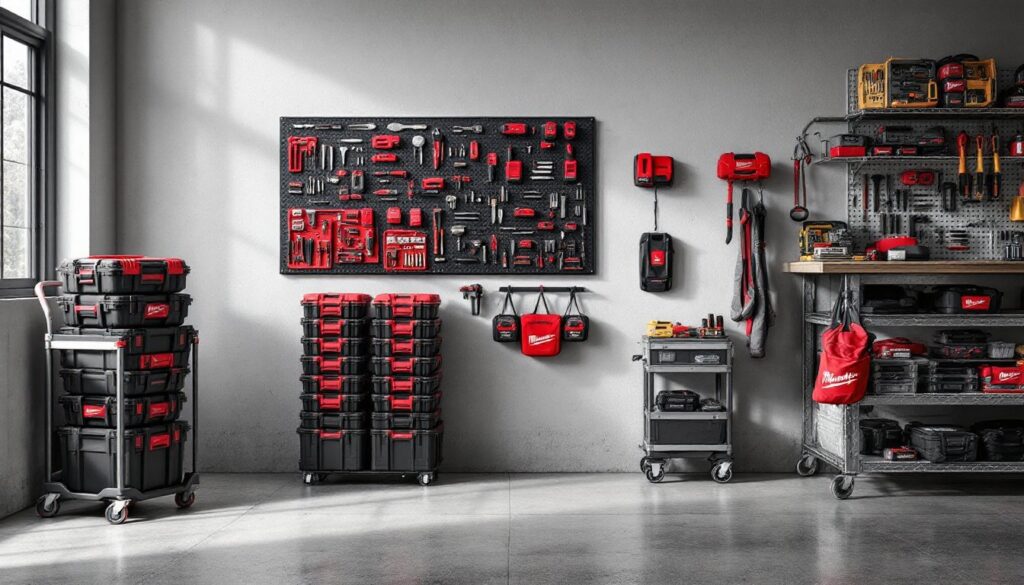
Milwaukee’s PackOut system is purpose-built for tool storage and stands out for modularity. These plastic cases lock together vertically or horizontally, and each locks onto a rolling cart base for easy transport. Cases come in different depths, shallow for bits and small parts, deep for full-size tools, so you mix and match based on your collection.
The stackable design saves floor space compared to a traditional toolbox taking up one big footprint. You can build a tower 3–4 cases tall without worrying about toppling. The cases also disconnect quickly, so if you’re hauling tools to a job site, grab one case instead of your entire setup.
Traditional tool chests, steel boxes with drawers, still have merit if you’re storing hand tools, fasteners, and small items. But, they’re not ideal for bulky Milwaukee power tools with batteries. Steel rusts over time if your garage isn’t climate-controlled: plastic cases from the PackOut line resist moisture better. Expect to spend $40–$120 per case, depending on size.
When choosing cases, verify they fit your specific tools. Measure your drill, impact driver, and largest saw. Some aftermarket cases offer foam inserts you can custom-cut, while the official Milwaukee cases often have pre-sized compartments.
Wall-Mounted Pegboard Systems
Pegboard is affordable and flexible, ideal for hanging drill chucks, chargers, bits, and smaller impact drivers or sanders. A 4′ × 8′ pegboard sheet costs $15–$30, plus hooks ($1–$3 each) and paint if you want it to look intentional rather than utilitarian.
The advantage? You see every tool instantly, and wall mounting reclaims floor space. The downside: vibration from power tools can rattle items, and pegboards don’t protect tools from dust or temperature swings as well as enclosed cases do. Pegboards also don’t secure batteries as well as dedicated charging stations.
For a hybrid approach, mount a pegboard for hand tools, bits, and chargers, then use stackable cases below or beside it for power tools and batteries. This keeps your most-used items accessible while storing heavier gear safely.
Organizing Your Milwaukee Battery and Charger Setup
Milwaukee batteries are the lifeblood of your cordless tools, so they deserve dedicated, organized storage. Batteries degrade faster when stored in extreme heat, cold, or moisture, so keep them in a cool, dry area, ideally between 50–80°F. A basement corner or interior closet works better than an unheated garage in winter or a hot shed in summer.
If you have multiple batteries, label them. Write the voltage (18V, 12V, 54V) and serial number on a small label using a permanent marker. This sounds pedantic, but when you grab a battery in dim light, you’ll know instantly if it matches your tool.
Chargers need airflow to avoid overheating. Mount them on a wall bracket or shelf so air flows around them, not inside a closed cabinet. Milwaukee offers dual chargers that charge two batteries simultaneously, valuable if you’re working with limited downtime between charges. A dual charger occupies less wall space than two single chargers side by side.
Consider a battery organizer rack or wall-mounted battery holder specific to your battery size (18V, 12V, etc.). These racks keep batteries visible, secure, and off the floor. The 11 Best Milwaukee recommends compact charging solutions that integrate into small workshops. Expect $20–$60 for a quality wall-mounted battery holder.
Space-Saving Storage Ideas for Small Workshops
Not everyone has a two-car garage to work with. If your shop is a apartment corner, a small shed, or part of a basement, every inch counts.
Vertical storage is your friend. Wall-mounted pegboard, shelving, or Milwaukee’s stackable cases all maximize height without eating into floor space. Aim to leave at least 36 inches of clearance in front of your workspace so you’re not cramped while drilling or sawing.
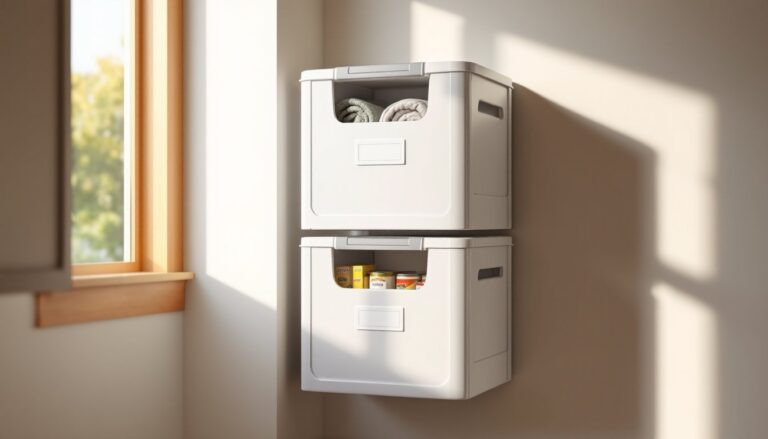
Under-bench storage keeps tools out of sight but accessible. A rolling cart that slides under a workbench or in a closet becomes instant storage you don’t see until you need it. Milwaukee’s PackOut carts fit this niche perfectly because they’re compact (roughly 20″ wide × 24″ deep × 33″ high) yet hold multiple cases.
Overhead storage using wall-mounted shelves or ceiling-hung racks stores items you don’t access weekly, old tool manuals, spare cords, seasonal gear. Secure anything overhead with safety cables so it won’t drop if you bump it.
For apartment dwellers or renters, avoid solutions requiring drilling into walls. Instead, lean a pegboard against studs in a closet, or use freestanding metal shelving units (common at hardware stores, $50–$150 depending on size) that hold stacked cases and don’t require installation.
Family Handyman and similar resources offer workshop layout ideas tailored to tight spaces. The goal isn’t a show-stopping garage, it’s a functional zone where tools stay protected and projects keep moving. Fix This Build That also covers workshop setup guides that prioritize compact tool organization for DIYers working in limited square footage.
Conclusion
Organizing Milwaukee tool storage takes a few hours upfront but pays dividends every time you step into your workshop. Whether you choose stackable cases, pegboard, wall-mounted racks, or a hybrid setup, the key is matching your system to your space and your tools. Protect your investment, keep batteries in a cool, dry location, and store your gear in a way that lets you grab and go. A well-organized workshop feels like a professional space, even if it’s just a corner of your garage, and that confidence carries through to better work and faster projects.