
Table of Contents
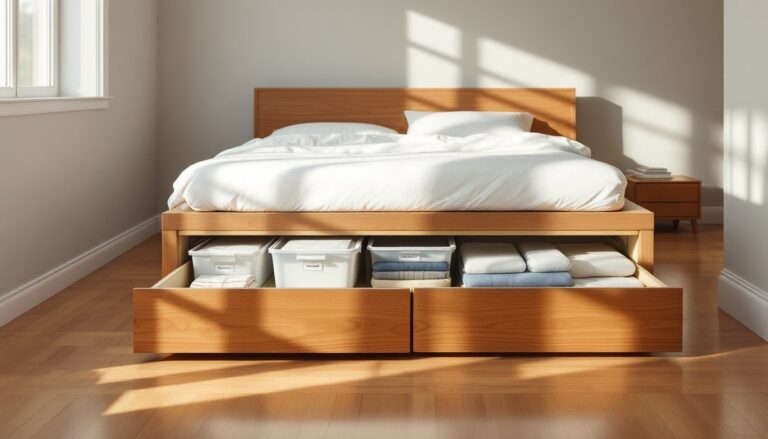
ToggleA queen lift-up storage bed is one of the smartest investments for anyone working with limited bedroom square footage. Instead of that wasted void beneath a traditional frame, you get a functional storage compartment that slides open hydraulically, no struggling, no back strain. Whether you’re furnishing a guest room, squeezing into a studio apartment, or just tired of clutter spilling across your floor, a queen lift-up storage bed solves the space puzzle without sacrificing comfort or style. This guide walks you through what these beds actually are, why they work, and what to watch for before you commit.
Key Takeaways
- A queen lift-up storage bed converts wasted under-bed space into 60+ cubic feet of usable storage without adding extra furniture to your room.
- The hydraulic gas-lift mechanism makes accessing storage effortless—simply lift the mattress and the cylinders do the heavy lifting, ideal for those with mobility concerns or limited upper-body strength.
- Mid-range models ($800–$1,500) offer the best balance of durability and smooth hydraulic operation, while ultra-cheap options often compromise on cylinder quality and frame strength.
- Before purchasing, measure your room carefully to ensure you have adequate clearance to fully open the lift-up storage bed, and account for headboard height and wall placement.
- Maintenance is minimal—regular dusting, checking hydraulic cylinders every 6–12 months, and keeping hinges clean will keep your storage bed operating smoothly for years.
What Is A Lift-Up Storage Bed And How Does It Work
A lift-up storage bed, also called a hydraulic storage bed or gas-lift bed, is a queen-size frame where the mattress platform raises up on pneumatic or hydraulic struts, revealing a large compartment underneath. The bed rests on a sturdy base (usually solid wood or engineered wood), and the entire sleeping surface pivots upward from a hinge at the head. Most models feature dual gas cylinders that support the weight and lower the platform smoothly when you open it.
The mechanics are simple but effective. When you’re ready to access storage, you lift the mattress slightly, just enough to disengage the hydraulic struts or catch points, and the gas cylinders do the heavy lifting. You can prop the platform open with a lid arm or strut (usually included), and the bed stays safely elevated while you grab seasonal bedding, luggage, or off-season clothing. Once you’re done, lower it gently and it settles back into place. No locking mechanism or fumbling required, though quality models include safety stops to prevent the platform from slamming shut.
The storage compartment itself is typically 12–16 inches deep on a queen frame, giving you roughly 60+ cubic feet of usable space depending on the exact dimensions and base construction. The entire underside is accessible, you’re not dealing with drawers or sliding compartments, so tall items fit easily.
Key Benefits Of Choosing A Queen Lift-Up Storage Bed
The primary draw is efficiency. A queen frame is roughly 60 inches wide by 80 inches long: that’s significant square footage being wasted if you leave it empty. A lift-up storage bed converts that dead space into real storage without adding furniture around the room.
There’s also the physical comfort factor. Instead of bending down to reach under-bed storage bins (which most people avoid anyway), you’re simply lifting the entire mattress. If you have mobility issues, bad knees, or just don’t enjoy contorting yourself, this approach is gentler. The hydraulic assist means even older adults or people with limited upper-body strength can manage it without calling for backup.
From a design perspective, lift-up beds keep your room looking neat. Everything stays hidden when the bed is closed. No storage containers visible, no dust accumulating on items shoved under the frame. It’s a cleaner aesthetic, which appeals to anyone who values minimalist décor or open floor plans.
Maximizing Space And Organization
Storage beds work hardest in master bedrooms, guest rooms, or apartments where square footage is tight. Think of it as gaining an extra closet or small dresser without taking up wall space. You can store off-season clothes, extra blankets, pillows, luggage, holiday decorations, or linens. Some homeowners use the space for children’s toys or craft supplies.
The key to maximizing the space is planning what goes inside. Vacuum-seal bags are your friend here, they compress bulky items like winter coats or comforters into a fraction of their size. Clear plastic bins let you see what’s stored without opening everything. Label everything, and resist the urge to simply throw items in and forget about them: the compartment will become a catchall fast. A queen lift-up storage bed is most effective when you treat it like an organized linen closet, not a junk drawer.
Design And Style Options For Your Bedroom
Lift-up storage beds come in far more styles than you might expect. You’ll find upholstered headboards in fabric or leather, wooden frames in walnut, oak, or cherry, and modern platform designs in white, gray, or natural finishes. Some models include built-in nightstands or integrated shelving, while others are just the bed frame with a sleek profile.
When evaluating styles, consider your room’s existing aesthetic. A rustic wooden frame works in a farmhouse bedroom: a low-profile upholstered bed suits a contemporary space. The headboard height and fabric choice matter too. Taller headboards make a statement but can dominate a small room, while lower profiles keep sightlines open.
Material choices affect both durability and maintenance. Solid wood is durable and classic, though it requires regular cleaning and can be scratched. Engineered wood (plywood or MDF cores) is affordable and lighter, but seams can separate over time if the bed flexes. Upholstered options hide dust better than bare wood, but fabric collects pet hair and requires occasional vacuuming. Leather is easier to wipe clean but can crack if the room gets too dry. Quality of the hydraulic system matters most, cheaper models sometimes have cylinders that weaken after a few years, making the bed harder to open. Look for beds with branded gas struts (Stabilus or Lesjöfors are reputable manufacturers) rather than generic units.
Factors To Consider Before Buying A Lift-Up Storage Bed
Budget matters, but it’s not the only variable. Entry-level lift-up storage beds run $400–$800, while solid wood or luxury upholstered models range from $1,200 to $3,000+. Cheaper options sometimes cut corners on the hydraulic system or use thin plywood that sags under a mattress and body weight over time. Mid-range ($800–$1,500) generally offers better durability and smoother operation.
Measure your room before ordering. A queen frame is 60 inches wide and 80 inches long, but don’t forget to account for the headboard height and the space needed to fully open the platform. If your bed sits against a wall or in a corner, you need clearance to lift the mattress all the way. Some people regret their purchase because the bed sits in a spot where opening it fully is awkward.
Consider the mattress. Most lift-up beds accommodate any standard queen mattress (60″×80″), but very thick mattresses (14+ inches) can make the platform harder to lift or limit how far it opens. Standard thickness (9–11 inches) works best. Also, if you’re not replacing your current mattress, you’ll need a compatible one.
Delivery and assembly should be part of your decision. These beds are heavy (often 150–250 lbs depending on material), and most require at least basic assembly. Some retailers include white-glove delivery and setup: others drop the bed in your driveway and you handle it yourself. If stairs are involved or assembly isn’t your thing, factoring in delivery costs is wise.
Finally, check the warranty and return policy. A reputable manufacturer should offer at least a 1-year coverage on the hydraulic system and a 30-day return window. If a bed feels cheap or the support and customer service are dodgy, keep looking.
Installation And Maintenance Tips For Homeowners
Most lift-up storage beds arrive partially assembled. You’ll need to attach the headboard (if separate), install the gas cylinders or hydraulic struts, and position the frame in your room. Assembly typically takes 1–2 hours with basic tools: a wrench, screwdriver, and sometimes a mallet or rubber mallet to tap pieces into place. If you’re confident with furniture assembly, you can usually handle it solo, though a second pair of hands makes it faster and safer, especially when positioning the heavy frame or attaching the mattress platform.
Once installed, maintenance is minimal. Dust the exterior regularly, especially if it’s upholstered. Check the gas cylinders every 6–12 months to make sure they’re still operating smoothly and the platform opens and closes without wobbling. If the bed starts feeling uneven or the hydraulics feel sluggish, the cylinders may need replacement, a task you can sometimes do yourself with a bit of mechanical confidence, or you can contact the manufacturer for service. Don’t attempt to force the platform open or closed: if it sticks, something is wrong and forcing it can damage the mechanism.
Keep the hinges and pivot points clean and free of debris. Occasionally wipe down the underside of the platform and the interior of the storage compartment to prevent dust and mold buildup, especially in humid climates. If you notice rust on metal components, address it quickly with a wire brush and touch-up paint or rust inhibitor to prevent it from spreading.
For long-term durability, rotate your mattress seasonally (if it’s not a memory foam or pillow-top that shouldn’t be flipped), and avoid jumping on the bed, the hydraulics aren’t designed for impact loading. If you’re moving, recruit help to transport it safely: trying to muscle a 250-lb storage bed down a staircase alone is a good way to destroy both the bed and your back. Consider checking resources like Instructables for detailed assembly walkthroughs or The Handyman’s Daughter for furniture repair tips if issues pop up during ownership.
Conclusion
A queen lift-up storage bed is a practical solution for anyone tired of clutter or cramped bedrooms. It pairs functional storage with legitimate comfort, and the variety of styles means you can find one that fits your décor. The key is choosing a model with reliable hydraulics, measuring your space carefully, and understanding that this is an investment, cheap beds often disappoint, but a solid mid-range option will serve you for years. If you’re ready to reclaim your floor space and organize your life, a lift-up storage bed delivers on its promise without the gimmick.