Table of Contents
ToggleSmall bedrooms don’t have to feel cramped. A single bed frame with storage solves one of the biggest challenges homeowners face: keeping personal items organized without eating up floor space. Whether you’re furnishing a child’s room, a studio apartment, or a guest bedroom, storage bed frames pack functionality into the footprint of a standard single mattress. They’re not new, but today’s designs, with sturdy lift-up platforms, deep under-bed drawers, and wall-integrated shelving, offer genuine solutions without the wobbly assembly-line feel of a decade ago. This guide walks you through the options, how to pick the right one for your space, and what to expect during installation and upkeep.
Key Takeaways
- A single bed frame with storage reclaims valuable bedroom real estate by consolidating furniture, saving both money and floor space without sacrificing sleeping area.
- Choose between under-bed drawers for frequent access, lift-up platforms for maximum volume, or headboard shelving depending on your storage needs and room layout.
- Proper installation and maintenance—including acclimating wood, tightening hardware quarterly, and lubricating drawer slides every 6 months—ensures your storage bed frame lasts a decade or more.
- Containerize items strategically using labeled bins, vacuum-sealed bags, and vertical dividers to maximize storage efficiency and prevent drawers from jamming.
- Budget $200–$600 for a quality single storage bed frame, and prioritize solid wood and ball-bearing drawer slides over particleboard to avoid sagging and jamming issues.
Why Storage Bed Frames Are Essential for Modern Bedrooms
Storage bed frames aren’t just nice to have, they’re practical problem-solvers in homes where square footage is precious. A standard single bed frame takes up roughly 38 by 75 inches of floor space (nominal mattress dimensions). By building storage underneath or into the headboard, you reclaim valuable real estate without shrinking the bed itself.
For households juggling seasonal clothing, bedding, shoes, or school supplies, that hidden storage prevents closets from bulging and keeps items within arm’s reach. A bedroom with a storage bed frame feels less cluttered because off-season items actually have a home. Kids’ rooms benefit especially: toys, books, and art supplies stay contained, reducing the visual chaos that triggers “time to clean your room” battles.
Beyond organization, storage bed frames often cost less than buying a separate bed plus a dresser or storage chest. You’re consolidating furniture, which saves money and floor space. The trade-off is that assembly and future repairs require more planning, you can’t slide the frame to clean behind it, but most homeowners find that worthwhile.
Types of Single Bed Frames With Built-In Storage
Under-Bed Drawers and Lift-Up Designs
Under-bed storage comes in two main flavors: drawers that roll out and platform beds with hydraulic or piano hinges that lift the entire mattress.
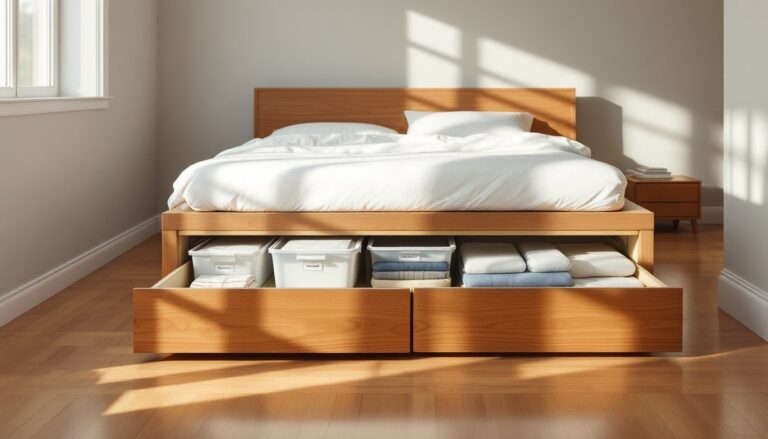
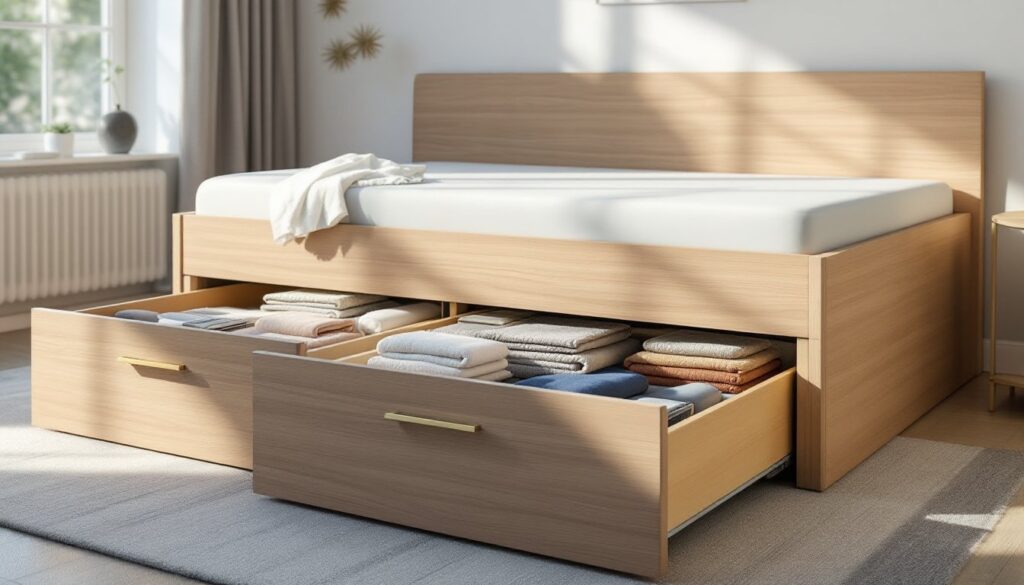
Drawer-style frames feature two or more wooden or metal drawers mounted on ball-bearing slides beneath the bed. They’re easy to access, just pull and grab, and don’t require you to lift anything heavy. Depth varies from shallow (good for shoes and linens) to full-depth (12–16 inches, ideal for sweaters and blankets). The downside is that drawers can stick if dust accumulates, and they don’t provide wall-to-wall storage.
Lift-up platforms use mechanical hinges or hydraulic struts to raise the entire mattress on one or both sides, revealing a cavernous storage cavity below. This design maximizes volume, you can store large items like suitcases or seasonal decor. But, they’re heavier to operate and require some muscle, especially for taller or heavier sleepers. If hydraulics fail, the bed becomes unsafe: budget for professional repair.
According to IKEA Hackers, many DIYers customize basic platform beds with aftermarket drawer kits or upgrade hinges for smoother operation. If you’re building from scratch, the piano hinge approach (a continuous hinge running the length of the platform) offers better weight distribution than individual hinges.
Headboard Storage and Wall-Integrated Solutions
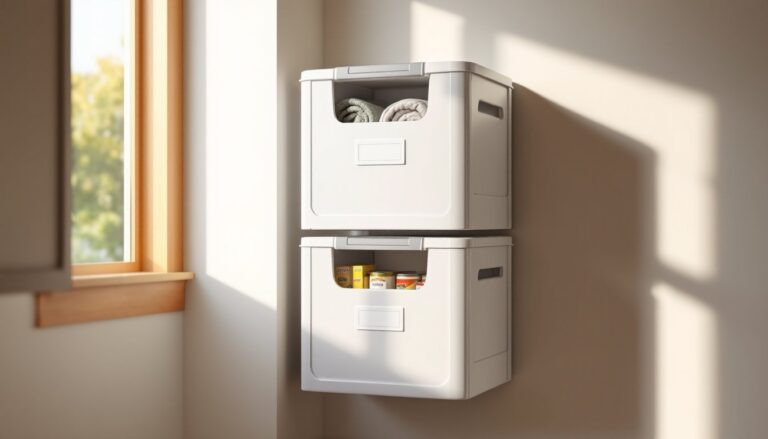
Headboard storage capitalizes on wall space above the bed. Shelves, cabinets, or cubbies built into the headboard frame hold books, plants, lamps, and décor without taking up floor area. This is ideal for small bedrooms where every inch counts.
Wall-integrated designs mount shelving directly to wall studs, with the bed frame positioned underneath. These are more involved to install, you’ll need to locate studs and use appropriate wall anchors, but they’re rock-solid and don’t rely on the bed frame for support. A typical wall shelf installation requires lag bolts, wall anchors (toggles or molly bolts for drywall), and a stud finder. Check local building codes: most residential bedrooms require shelves above 18 inches from the headboard to avoid safety concerns.
Headboard storage works best in rooms where the bed sits against a wall permanently. If you move bedrooms or rearrange furniture often, look at drawer-style frames instead.
How to Choose the Right Storage Bed Frame for Your Space
Start with your room’s layout and what you actually need to store. Measure your bedroom’s length and width, then mark where the bed will sit. Ensure the mattress isn’t blocking windows, heaters, or doorways that need clearance, a storage bed frame is bulkier than a simple frame, and some designs don’t fit in tight corners.
Next, audit your storage needs. Are you hiding seasonal clothing, board games, or craft supplies? Shallow drawers (6–8 inches) work for thin items: deeper ones (14–16 inches) accommodate folded clothes and bulky textiles. If you live in a small apartment, a full-size storage bed frame might suit you better than a single, but single frames are ideal for kids’ rooms or spare bedrooms with limited footprint.
Consider access frequency. If you need items weekly, drawer slides matter more than a lift-up platform. If you’re storing things you touch twice a year, a lift-up design maximizes space. Check the weight capacity, most single bed frames support 150–200 pounds per sleeping surface, and adding storage weight reduces available mattress load capacity. A foam or hybrid mattress typically weighs 40–60 pounds: factor that in.
Material also counts. Solid wood (pine, oak, or plywood) holds up better than particleboard, especially under repeated use. Metal frames are lighter and don’t sag, but they cost more. Test the drawer glide quality in person if buying locally: cheap ball-bearing slides jam easily.
Budget realistically. A decent single storage bed frame runs $200–$600, depending on material and storage volume. DIY builds cost less but demand solid carpentry skills and proper tools. Step-by-step projects on Instructables offer free plans, but wood, hardware, and finishing time add up.
Maximizing Storage Efficiency in Single Bed Frames
Storage bed frames create dead space if you pack them poorly. Use these strategies to get the most from every cubic inch.
Containerize strategically. Rolling underbed storage boxes or vacuum-sealed bags maximize drawer depth. Label everything, especially seasonal items, so you remember what’s where. For lift-up platforms, use clear plastic bins so you can spot contents without opening.
Layer by weight. Heavier items (books, shoes, winter coats) go on the bottom: lighter things (bedding, scarves) on top. This prevents warping and makes the bed easier to lift if it’s a hydraulic design.
Vertical dividers inside drawers prevent sliding and keep folded clothes neat. Sections for socks, underwear, and leggings make mornings faster, no digging required.
Don’t overload. A overstuffed drawer sticks, and excess weight stresses hinges and the frame’s joints. If you can’t close a drawer smoothly, remove items.
Climate control matters. Damp basements and humid attics age wood and encourage mildew. If your bed sits in a humid room, occasionally air out stored items and wipe down the frame’s interior with a dry cloth. Use desiccant packets (silica gel) in bins to control moisture.
For a full size storage bed frame, these principles scale up, but single frames are more forgiving, you have fewer items to organize and less stress on joints.
Installation and Maintenance Tips for Long-Lasting Performance
Assembly prep: Before you assemble, clear the bedroom and lay out all hardware on a clean surface. Missing bolts or brackets derail the whole process. Check that wood pieces aren’t warped, hold them up to a light and look for bows. If the frame’s twisted when you build it, the bed won’t sit flush, and drawers will bind.
Follow the manual step-by-step, and don’t skip the corner braces or support rails, they prevent racking (the frame twisting under weight). If a bolt or screw seems loose after assembly, tighten it: loose frames develop squeaks within weeks.
Acclimate wood. If you’re building with solid wood, let lumber sit in your bedroom for 24 hours before cutting or assembling. Wood absorbs or releases moisture depending on humidity, and acclimation prevents joints from separating later.
Mattress placement: Center the mattress evenly on the frame, leaving a 1–2 inch border all around. Uneven weight distribution stresses the joints, especially on lift-up designs. A bed rail or guard rail helps prevent the mattress from shifting if the frame is on wheels.
Maintenance routine: Monthly, vacuum under and around the bed to control dust. Quarterly, tighten hardware with the appropriate wrench or socket set. If you have a hydraulic lift, test it monthly, it should rise and lower smoothly with minimal effort. If it’s sluggish or hisses, the hydraulic fluid may be leaking: call a repair specialist.
For drawer slides, spray silicone-based lubricant (not WD-40, which attracts dust) every 6 months. Avoid oil-based products on wood, they darken finishes and attract grime.
Building a storage bed from scratch? The Handyman’s Daughter offers beginner-friendly woodworking guides and furniture plans that break down joinery and finishing steps. Mistakes are cheaper to fix before assembly than after.
The Bottom Line
A single bed frame with storage is an investment that pays dividends in a cramped bedroom. Whether you choose drawers, a lift-up platform, or headboard shelving, the key is honest assessment of your storage needs and space constraints. Start small, measure twice, choose the design that matches your lifestyle, and don’t skip assembly prep or maintenance. Done right, a storage bed frame lasts a decade or more and transforms a small room from chaotic to calm.