Table of Contents
ToggleA twin captain bed with storage transforms a bedroom from cramped to functional. Whether you’re furnishing a child’s room, a guest bedroom, or a tight studio apartment, this hybrid piece combines sleeping space with built-in drawers or shelving underneath, no more shuffle-and-hunt for off-season clothes or extra bedding. The appeal is clear: you get a quality bed frame plus storage that would otherwise demand precious floor space. In 2026, the options range from sleek modern designs to coastal-inspired pieces that actually fit the way people live, not just how they decorate.
Key Takeaways
- A twin captain bed with storage combines sleeping space with built-in drawers or shelving, eliminating the need for a separate dresser and maximizing usable floor space in small bedrooms.
- Quality twin captain beds hold 2–6 drawers, each storing 20–30 pounds, and work with standard twin mattresses; confirm 8–14 inches clearance from the mattress top to overhead objects before purchasing.
- Modern and contemporary designs favor clean lines and neutral finishes at $400–$800 for solid wood, while coastal and traditional styles with decorative elements range $500–$1,200.
- Choose your twin captain bed based on storage needs (full-width drawers for bulky items, cubbies for small décor), material durability (solid wood resists wear; engineered wood costs less but chips easily), and style compatibility with your existing décor.
- Mid-range twin captain beds ($500–$750) typically offer the best value with real wood or solid-engineered construction, stable bases, and finishes that age well.
- DIY builders can construct a custom twin captain bed in 20–30 hours for $200–$400 in materials using basic woodworking tools and online guides.
What Is a Twin Captain Bed With Storage?
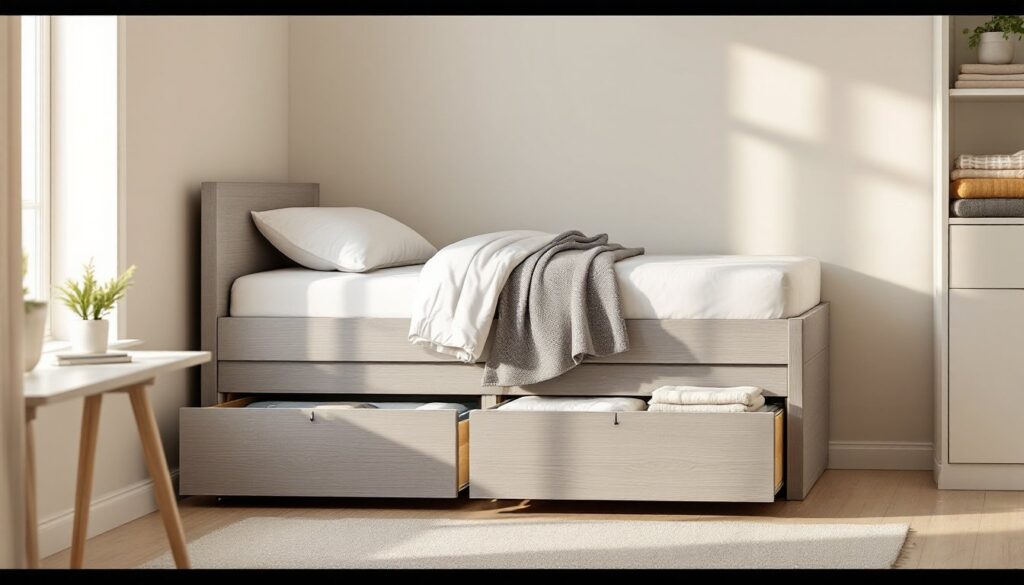
A twin captain bed is a standard twin-sized mattress frame, roughly 39 inches wide by 75 inches long, with built-in storage integrated into the base. Unlike a traditional bed frame sitting on legs or a platform, a captain bed typically features a solid or slatted base with drawers, shelves, or cubbies tucked underneath or along the sides. Some designs include a headboard with cubbies, shelves, or open compartments for books, alarm clocks, or personal items.
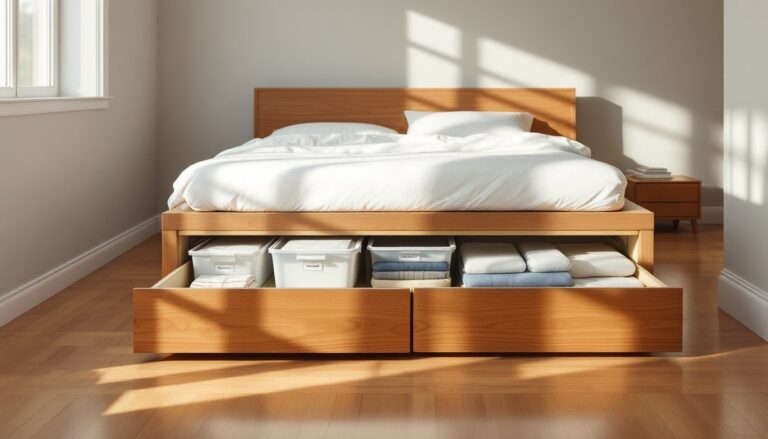
The storage isn’t cosmetic. A quality twin captain bed can hold two to six full-sized drawers, depending on the design, each drawer holds roughly 20-30 pounds of linens, clothing, or seasonal gear. A few models swap drawers for open cubbies or a lofted design where the bed sits higher, leaving the full space below for a desk, bench, or additional storage units.
Materials vary: solid wood (pine, oak, maple), engineered wood (MDF with veneer or laminate), and metal frames are all common. The mattress sits on a wooden slat base or metal grid, which supports standard twin mattresses without a box spring, though some designs accommodate one for added comfort. When shopping, confirm mattress height once drawers are installed, you want 8-14 inches of clearance from the top of the mattress to overhead objects.
Key Benefits for Bedrooms and Small Spaces
The primary draw is space efficiency. In a 10-by-12-foot bedroom, every square inch matters. A captain bed eliminates the need for a separate dresser, nightstand, or storage bench, your sleeping surface is your storage. For families with multiple children sharing a room or young adults in dorm-style housing, this consolidation frees floor space for play, study, or movement.
A second benefit is cost-effectiveness. Buying a bed frame and a dresser separately costs more than a single captain bed unit. You’re paying once for materials and assembly, not twice. Paint, stain, or hardware finishes on captain beds also range widely, so you can match existing décor without hunting for a mismatched second piece.
Third, captain beds reduce visual clutter. Open shelving and cubbies keep frequently used items visible and within arm’s reach, no bending, no digging. For children, this accessibility encourages tidiness (they can actually put things away themselves). For adults, a well-organized base makes the room feel calmer and less cluttered, even if the absolute square footage hasn’t changed.
A full size storage bed frame takes the same principle and scales it up for guest rooms or master bedrooms where twin sizing won’t cut it. The logic is identical: maximize usable bedroom real estate by combining sleep and storage.
Popular Styles and Design Options
Modern and Contemporary Designs
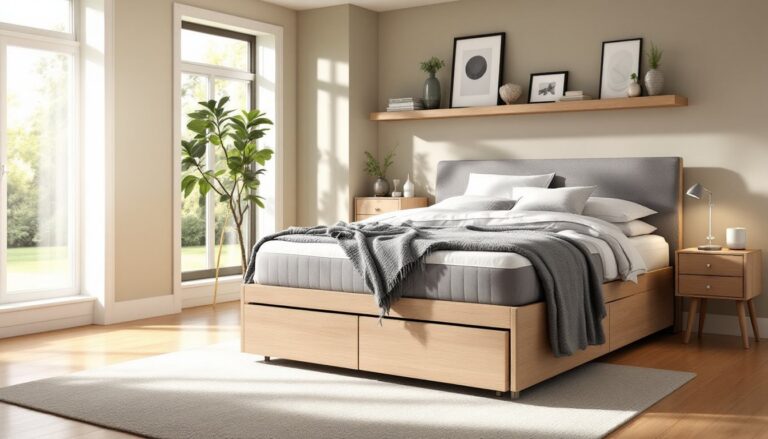
Modern captain beds favor clean lines, minimal hardware, and neutral finishes. Look for models with flat panel fronts, recessed handles, and light gray, white, or natural wood stains. Many contemporary designs drop the headboard entirely or pair a low headboard with wall-mounted shelving above, keeping the eye line uncluttered. Metal accents, brushed nickel or black powder-coat frames, add a utilitarian edge without fussiness.
Storage in modern designs is usually deep, full-width drawers (better for large items) rather than scattered cubbies. Some higher-end contemporary pieces include soft-close drawer slides, which slow the closing motion and prevent slamming, a genuine quality-of-life upgrade if you have light sleepers or want to avoid wear on the frame.
You’ll find solid wood (oak, walnut, cherry) and engineered wood with veneer finishes. Expect to spend $400–$800 for a solid-wood modern twin captain with four drawers: budget brands using MDF and laminate start around $200–$350, but longevity suffers if weight-bearing use is heavy.
Traditional and Coastal Styles
Traditional captain beds borrow aesthetics from nautical or cottage furniture. Think turned legs, decorative paneling, arched headboards with cubbies, and finishes like weathered gray, cream, or honey stain. Hardware is often visible, brass drawer pulls, wood knobs, or wrought iron handles, adding character.
Coastal designs lean into the nautical thread: beadboard sides, rope-detail handles, bleached or whitewashed wood finishes, and sometimes a small bookshelf in the headboard. These beds photograph well and fit relaxed, beachy bedroom aesthetics, but the decorative elements can trap dust and reduce the visual sense of space in smaller rooms.
A resource like Ana White’s free woodworking plans includes detailed plans for a twin captain bed with six storage drawers, ideal if you want to DIY the project or use it as a reference for a custom build. Traditional and coastal styles cost $500–$1,200 for solid wood: MDF versions range $300–$600.
How to Choose the Right Twin Captain Bed for Your Home
Start with your space and mattress. Measure the room’s floor area, headroom clearance (if you plan a headboard), and the distance between walls, a twin is 39 inches wide, so a tight hallway or angled ceiling could complicate placement. Confirm your mattress type: most captain beds work with standard innerspring, foam, or hybrid twin mattresses. Check the manufacturer’s weight limit for drawers (typically 25-30 pounds per drawer fully loaded) and the bed frame’s total weight capacity, usually 400-600 pounds depending on the build.
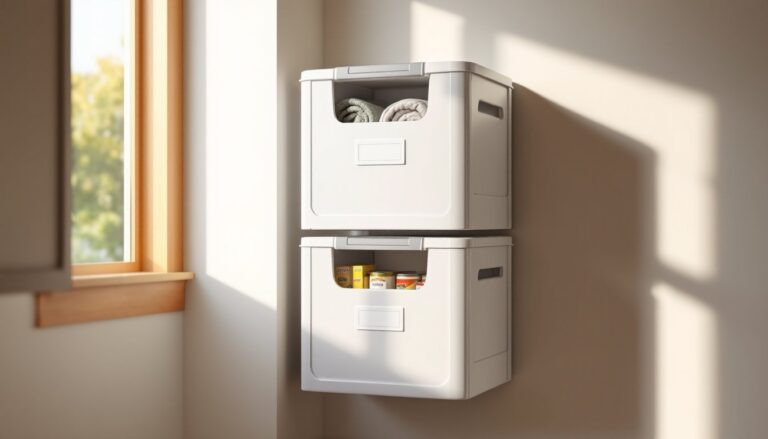
Next, assess your storage needs. If you’re storing heavy winter coats and bulky blankets, full-width drawers are better than small cubbies. If you’re organizing books, stuffed animals, or small décor items, cubbies with adjustable shelves offer flexibility. Some beds let you configure the bottom, swap a drawer for open shelving, for example.
Material choice depends on budget and durability. Solid wood (oak, pine, maple) resists wear and sands/stains well if repairs are ever needed. Engineered wood with a quality veneer looks good and costs less, but the edges can chip, and repairs are harder. Avoid frames where the entire exterior is plastic laminate, they don’t age gracefully.
Finish and style should complement your room’s palette. A modern white frame works in minimalist, industrial, or bright, airy rooms. Honey or warm oak suits traditional or transitional décor. Weathered gray is versatile but can read as bland in poorly lit spaces. If you’re unsure, photo sample the bed in your room’s lighting and with your actual wall color, not the store’s.
Budget honestly. A well-built twin captain bed with drawers costs $400–$1,000+ depending on materials and finish. Below $300, you’re likely in flimsy particle-board territory: above $1,200, you’re paying for premium wood species or custom work. Mid-range ($500–$750) often delivers good balance: real wood or solid-engineered construction, stable bases, and finishes that age well.
If you’re into DIY and want hands-on involvement, platforms like Instructables and The Handyman’s Daughter host step-by-step guides for building a captain bed frame from scratch. You’ll need basic woodworking tools, a miter saw for angled cuts, a pocket-hole jig for joinery, and a sander for finishing, but the reward is a custom piece built exactly to your specs and at a fraction of retail cost. First-time builders typically invest 20-30 hours and $200-$400 in materials.
Conclusion
A twin captain bed with storage is a practical investment for any space-conscious household. It consolidates sleeping and storage into one piece, eliminates the visual and spatial footprint of a separate dresser, and comes in styles to match nearly any décor. Whether you choose a sleek modern design, a handcrafted traditional piece, or a DIY build, the functional payoff is the same: a bed that works harder for your bedroom and your life.