Table of Contents
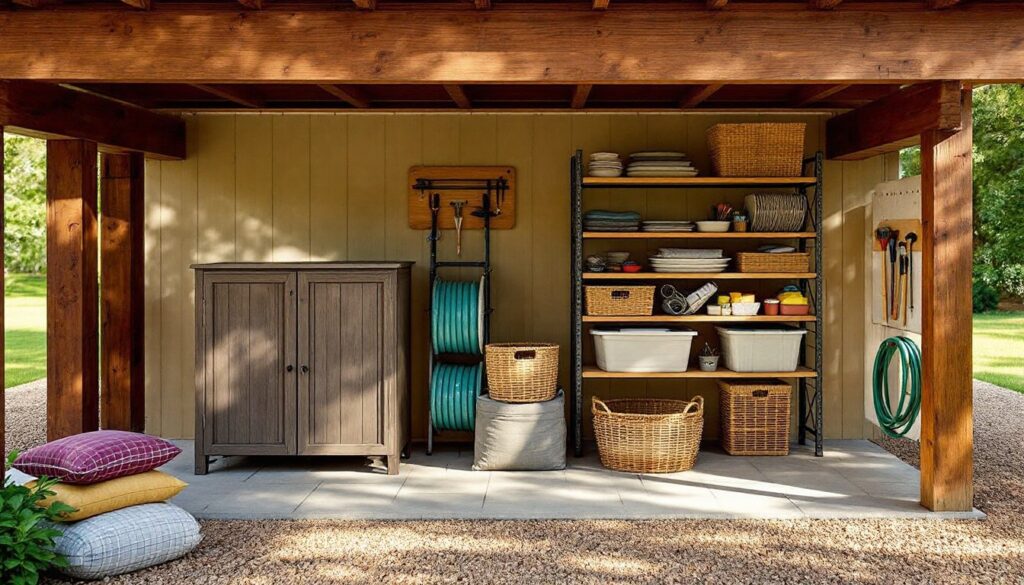
ToggleThat space underneath your deck is wasted real estate. Rain drips through, the area collects debris, and nobody thinks to use it, until they’re juggling lawn chairs, pool noodles, and garden tools with nowhere sensible to put them. The good news: under deck storage transforms that awkward gap into prime organizational territory. Whether you’re building a sleek storage cabinet, installing shelving systems, or stacking weather-resistant boxes, you’ve got plenty of smart solutions that actually work. This guide walks you through seven practical options, from commercial products you can install in a weekend to DIY builds that’ll make you feel like a backyard carpenter.
Key Takeaways
- Under deck storage solutions transform wasted space into organized territory by utilizing shelving, weatherproof boxes, or DIY builds that protect items from moisture and debris.
- Weather-resistant storage boxes ($100–$500) and composite cabinets ($400–$1,200) offer the fastest under deck storage setup with minimal installation effort and built-in protection.
- Metal racking systems and wooden shelving maximize vertical space while keeping items elevated and ventilated—essential for preventing rust, mildew, and moisture damage to tools and equipment.
- Cushion and furniture storage benefits from breathable covers and ventilation rather than sealed bags, with monthly inspections during humid seasons preventing costly mildew problems.
- DIY under deck storage projects using pressure-treated lumber cost $200–$400 and can be completed in 16–24 hours, offering custom-fit solutions that match your exact backyard needs.
- Proper drainage, weight distribution, and keeping items at least 6 inches above ground are critical to protecting stored items from moisture and ensuring deck structure integrity.
Why Under Deck Storage Makes Sense for Your Backyard
Under deck storage solves a real problem: you’ve paid for that square footage, so why leave it empty? The space under a typical deck sits unused and unfinished, yet it’s structurally sound and protected from direct rainfall. That’s valuable real estate for tools, cushions, seasonal decorations, and gear you don’t want sitting in the garage.
The main challenge is moisture. Decks drain, but condensation and splash-back still happen, so anything you store needs protection from humidity and standing water. Proper underlayment or a drainage system under the deck itself helps, but weatherproof containers are your first line of defense.
You’ll also want to think about access and weight distribution. Under-deck storage shouldn’t interfere with deck joists (the horizontal support beams), and it needs a clear path for loading and unloading. Most DIYers can handle this project without permits if you’re simply placing containers or shelving: but, if you’re building a full enclosure or floor structure, check local building codes first, some jurisdictions require approval for anything that modifies deck function or adds permanent fixtures.
Weather-Resistant Storage Boxes and Cabinets
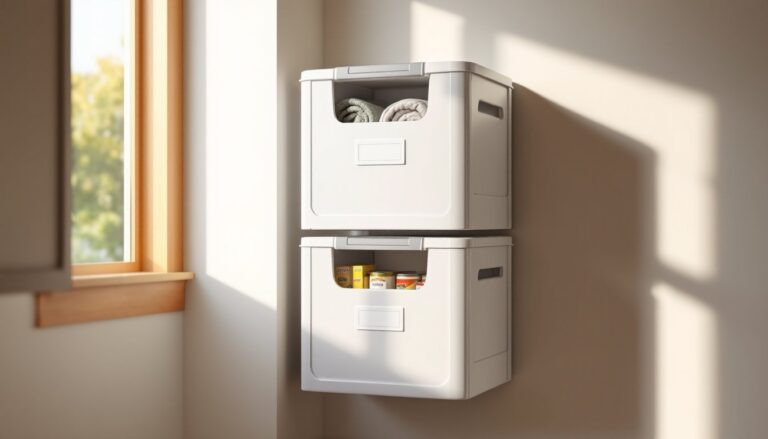
The fastest route to under deck storage is a ready-made weather-resistant storage box or cabinet. These come in resin, composite, metal, or treated wood, all designed to withstand UV rays, temperature swings, and moisture. Brands like Keter, Suncast, and Rubbermaid offer polypropylene storage bins in sizes from 50 to 150 gallons, priced between $100 and $500 depending on capacity and features.
For a more furniture-like appearance, teak or composite outdoor cabinets provide lockable doors and raised legs that keep the base above puddles. These typically cost $400–$1,200 but look polished and integrate well with deck aesthetics. Look for models with ventilation holes or slats in the bottom to allow air circulation and drainage.
When selecting boxes, measure the deck clearance first. A deck typically sits 18 to 36 inches above ground: your storage shouldn’t exceed the joist height or block airflow underneath. Place the bin on a level surface, use concrete pavers or gravel if the ground is uneven, and avoid stacking multiple bins in ways that could shift or tip. Interior cushion storage and small tool collections work well in boxes: anything fragile or valuable might need additional protection inside using tarps or custom dividers.
Built-In Shelving and Racking Systems
If you want to maximize vertical space and keep items visible and accessible, built-in shelving under the deck beats loose boxes. Modular metal racking systems (the industrial kind used in garages) are tough, adjustable, and don’t rot. A 4-shelf steel unit rated for 1,000+ pounds per shelf costs $150–$400 and handles tools, paint cans, small equipment, and seasonal gear without breaking a sweat.
Wooden shelving is another option, but it requires pressure-treated or composite lumber to resist rot. Use 2×8 or 2×10 boards for shelves, supported by 4×4 posts anchored to concrete footings below the frost line. This is more involved, you’ll need to calculate load capacity (typically 40–50 pounds per linear foot for residential shelving) and ensure posts don’t interfere with deck joists. A three-shelf unit in a typical under-deck bay runs $300–$600 in materials.
Racking systems must be level and securely fastened. If your deck sits on posts, anchor shelving to the posts themselves rather than the ground: this prevents shifting as the soil settles. Avoid storing extremely heavy items like concrete bags directly on the ground under the deck, they’ll absorb moisture and can promote rot in deck support members. Use shelving to elevate items and allow airflow.
Outdoor Cushion and Furniture Storage Solutions
Deck cushions, pillows, and outdoor chair pads are prime candidates for under-deck storage because they’re bulky, vulnerable to mildew, and take up closet space if stored indoors. Cushion storage boxes, benches with hinged lids, combine seating and storage in one piece. They’re often waterproof and hold 5–10 cushions comfortably. Prices range from $200 for basic plastic models to $800+ for teak or composite versions.
For seasonal furniture, fabric storage bags with zippers and ventilation keep stacks of folding chairs or loungers dry and organized. Roll up cushions, seal them in vacuum-compression bags (these shrink the volume by 75%), and layer them in labeled bins. Vacuum bags run $15–$30 per pack and are reusable.
One critical detail: ensure cushion storage includes ventilation. Sealed bags trap moisture and breed mildew. Instead, use breathable covers (canvas or open-weave) and store in a shaded, dry part of the under-deck area away from splash zones. If your deck’s drainage system channels water toward one side, position cushion storage on the opposite side and elevate it on pallets or concrete blocks. Inspect stored items monthly during humid seasons to catch any moisture problems early.
Tool and Equipment Organization Under the Deck
Tools, power equipment, and gardening gear are heavy and valuable, they deserve organized storage that protects them from rust and weather. A wall-mounted pegboard or tool rail system under the deck keeps hand tools visible and accessible without taking up floor space. Aluminum rails and hooks cost $50–$150 and mount directly to deck joists using lag bolts.
For larger equipment like a push mower, string trimmer, or leaf blower, a low-profile tool storage cabinet with shelves and ventilation runs $300–$700. Look for models with air vents to prevent condensation inside. Oil and fuel for small engines need separate, secure storage away from living areas: check local fire codes for requirements, typically gasoline must be stored in approved metal cans, separate from the deck.
Do not store rechargeable batteries or power tools on damp ground. Moisture causes rust, corrosion, and electrical failure. Use shelving or wall mounts to elevate everything at least 6 inches off the deck base. Paint metal shelves with rust-inhibiting primer and topcoat if they’re going under an open deck where moisture accumulates. Sand and paint rust spots annually, especially on tool handles and metal bases.
DIY Under Deck Storage Projects You Can Build Yourself
If you’re handy with basic carpentry, a DIY storage unit saves money and fits your space perfectly. A simple frame-and-plywood box, 12 feet long, 4 feet deep, 3 feet tall, holds a ton of gear and costs $200–$400 in pressure-treated lumber, plywood, and exterior-grade fasteners. Use 2×4 studs for the frame, 3/4-inch exterior plywood for walls, and 2×6 joists for a lid that lifts open.
Start by building the frame on level ground, then sheath it with plywood and leave the front or top open for access. Seal all wood with two coats of exterior primer and paint or polyurethane to fight rot. Add a sloped roof (even a simple 4:12 pitch) to shed rain, or install clear polycarbonate panels to let light in while keeping rain out.
Budget 16–24 hours for a single large unit if you’re new to building. A miter saw gives you cleaner angle cuts than a circular saw, and a power drill speeds fastening. Wear safety glasses and a dust mask when cutting pressure-treated lumber, the chemicals can irritate lungs. If the project feels daunting, check resources like Ana White’s community projects or Instructables for free plans and step-by-step photos. Sites like Popular Mechanics also feature detailed tool guides and workshop tutorials that can help you plan and execute a build.
Conclusion
Under deck storage isn’t just a space-saver, it’s a practical win for any backyard with a deck. Whether you opt for a ready-made weatherproof storage box, modular shelving, or a weekend DIY build, the key is choosing weather-resistant materials, ensuring proper drainage, and keeping items elevated and ventilated. Start small with a single container, see how it works, then expand your system as your needs grow. Before long, that forgotten space under your deck becomes the most organized corner of your yard.