
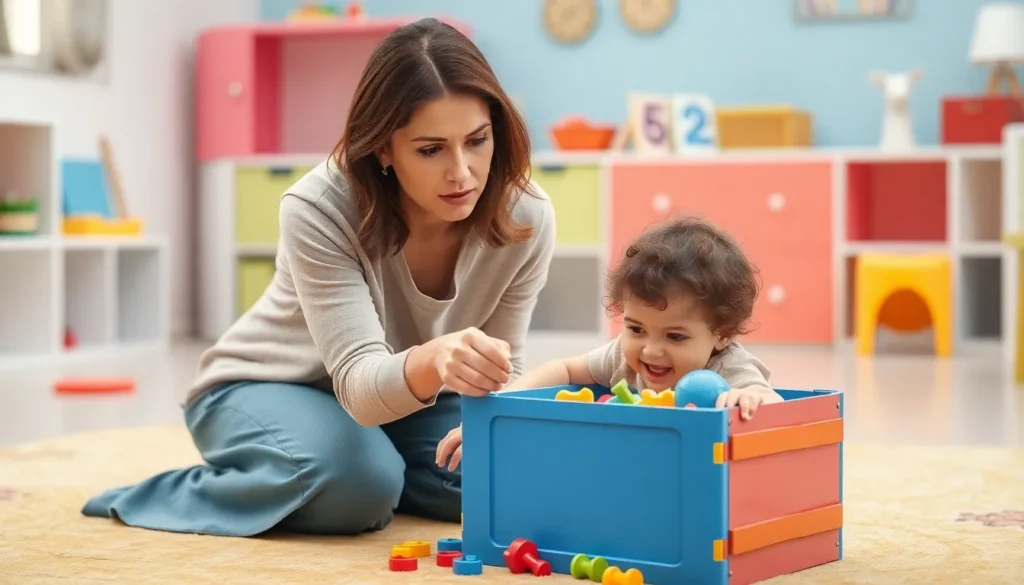
The idea of a toddler getting high might seem far-fetched, but it’s a reality that can occur in households where substances like marijuana or prescription medications are present. Curious little ones often explore their environments, and sometimes that includes getting into things they shouldn’t. Understanding the potential effects of such an experience is crucial for parents and caregivers.
When a toddler ingests substances, their developing bodies react differently than adults. The consequences can range from mild to severe, depending on the substance involved and the amount consumed. Recognizing the signs and knowing how to respond can make all the difference in ensuring a child’s safety and well-being. In this article, we’ll delve into what happens if a toddler gets high and what steps to take if this situation arises.
Overview of the Issue
The accidental ingestion of substances by toddlers poses significant health risks. Toddlers, driven by curiosity, may encounter items like marijuana or prescription medications, leading to potential harm. Their developing systems respond distinctly compared to adults, resulting in varying effects from mild symptoms such as drowsiness to severe reactions including respiratory distress or altered consciousness.
Statistics show that exposure to marijuana among children under five has increased significantly. In states where marijuana is legalized, emergency room visits related to cannabis ingestion among young children rose by 147% between 2005 and 2018. This trend underscores the urgency for awareness and prevention.
Recognizing the signs of intoxication is crucial for parents and caregivers. Symptoms may include lethargy, unsteady gait, psychomotor agitation, or abnormal behavior. Immediate medical attention becomes essential if these symptoms appear or if there is uncertainty about the substance ingested.
Prompt action can mitigate risks. Caregivers should contact local poison control centers or seek medical advice without delay. Understanding these critical aspects empowers caregivers to protect toddlers and respond effectively in emergencies.
Signs of Intoxication in Toddlers

Recognizing signs of intoxication in toddlers is essential for timely intervention. Caregivers should monitor for both behavioral changes and physical symptoms that may indicate substance ingestion.
Behavioral Changes
- Lethargy: A toddler may show decreased energy levels and increased drowsiness compared to their usual activity.
- Irritability: Unexplained fussiness, increased crying, or general irritability may occur.
- Altered Consciousness: Signs of confusion or disorientation could manifest, impacting the child’s responsiveness and awareness.
- Aggressive Behavior: Some toddlers may display unusual aggression, including hitting or kicking.
- Loss of Coordination: Difficulty walking or maintaining balance can indicate impairment in motor skills.
Physical Symptoms
- Dilated Pupils: Toddler’s pupils may appear larger than normal, signaling potential intoxication.
- Dry Mouth: A noticeable lack of saliva may lead to dry lips and a general sense of discomfort.
- Vomiting: Nausea may lead to vomiting, which can become a critical sign of substance ingestion.
- Increased Heart Rate: Elevated heart rates may indicate anxiety or stress from intoxication.
- Changes in Breathing: Rapid, shallow breathing or difficulty breathing requires immediate medical attention.
Awareness of these signs allows caregivers to act quickly, ensuring the toddler’s safety and well-being in the event of accidental substance ingestion.
Potential Effects of THC on Toddlers
THC exposure in toddlers can lead to numerous adverse effects. Understanding these potential risks is essential for caregivers.
Short-Term Risks
Short-term risks of THC exposure in toddlers include drowsiness, irritability, and impaired motor skills. Behavioral changes, such as increased agitation or lethargy, often occur. Physical symptoms may present as vomiting or difficulty breathing. Surveillance reports indicate that severe reactions, like respiratory distress, can escalate quickly. Medical professionals highlight the importance of immediate intervention when these symptoms arise to prevent further complications.
Long-Term Implications
Long-term implications of THC exposure on toddlers can manifest as developmental delays. Research suggests that early exposure may affect cognitive functions, leading to difficulties in attention and learning later in childhood. Additionally, toddlers may display increased risk of substance use disorders as they grow. Experts stress that prolonged exposure to THC can lead to alterations in brain development, emphasizing the need for prevention and education on safe practices surrounding cannabis products.
Steps to Take if a Toddler Gets High
Prompt action is vital if a toddler accidentally ingests a substance. Caregivers must be prepared to respond effectively to ensure the child’s safety.
Immediate Actions
- Stay Calm: Remaining calm helps to assess the situation without panicking.
- Remove the Substance: Safely eliminate any remaining access to the potentially harmful substance.
- Monitor the Child’s Condition: Observing behavior and physical symptoms is crucial. Note any lethargy, vomiting, or unusual reactions.
- Avoid Home Remedies: Refrain from giving food, water, or any home remedies, as these might worsen the situation.
- Document Symptoms: Record specific symptoms to provide detailed information to medical professionals when necessary.
When to Seek Medical Help
- Contact Poison Control: Always reach out to local poison control for immediate guidance about the situation.
- Visit the Emergency Room: Directly proceed to the emergency room or call 911 if severe symptoms occur, such as:
- Unresponsiveness or unconsciousness
- Difficulty breathing
- Seizures
- Alert the Pediatrician: Notify the child’s pediatrician about the incident for further advice and monitoring.
Prevention Strategies for Parents
Implementing effective prevention strategies significantly reduces the risk of toddlers accidentally ingesting harmful substances. Parents play a crucial role in safeguarding their children by ensuring awareness and preparedness.
Safe Storage of Substances
Keeping substances out of reach is essential for toddler safety. Store all medications, including prescription drugs and over-the-counter items, in locked cabinets or high shelves. Use childproof containers for products like cleaning supplies, alcohol, and cannabis. Parents should also refrain from leaving items like vape pens, edibles, or recreational drugs unattended. Regularly check the storage areas to ensure no items are accessible to curious toddlers, and educate family members or visitors about safe storage practices.
Educating Caregivers
Training caregivers on safe practices is vital. Workshops or informational sessions can provide insights into potential dangers associated with substances. Caregivers must learn to recognize signs of intoxication and be familiar with emergency procedures. Distributing materials that outline safe storage guidelines and the importance of immediate action in case of ingestion can reinforce these teachings. Encourage caregivers to communicate openly about substances and establish a clear protocol for handling emergencies related to accidental ingestion.
Accidental ingestion of substances like marijuana can pose serious risks to toddlers. Their developing bodies react differently than adults and even small amounts can lead to concerning symptoms. It’s vital for caregivers to recognize the signs of intoxication and act swiftly.
By understanding the potential dangers and implementing effective prevention strategies, parents can create a safer environment for their children. Awareness and education are key to reducing the likelihood of these incidents. In emergencies, quick action can make all the difference in ensuring a child’s safety and well-being.