
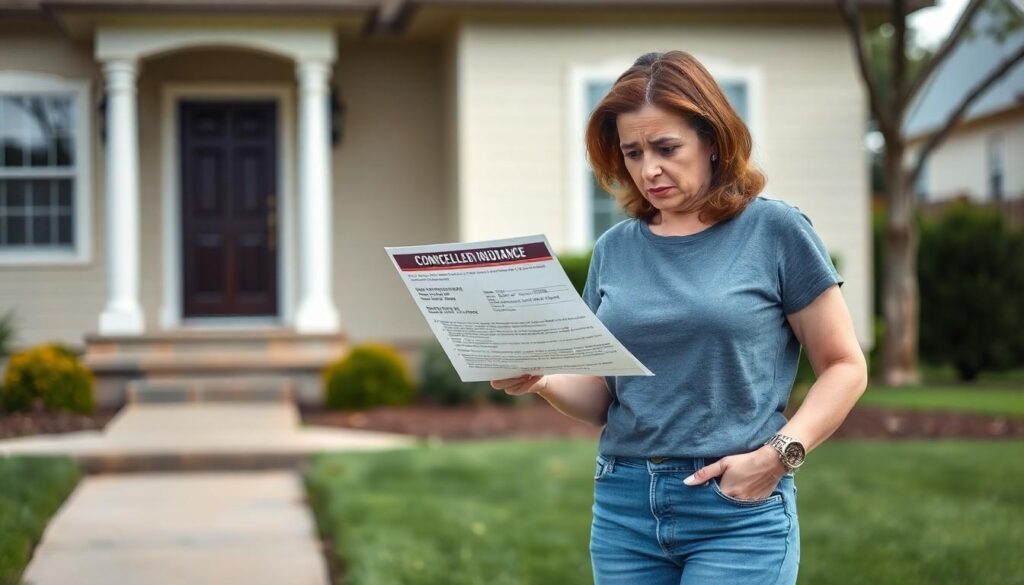
Imagine waking up one day to find that your homeowners insurance has vanished faster than your favorite snack at a party. While it might seem like a minor hiccup, the implications can be anything but trivial. Homeowners insurance isn’t just a safety net; it’s a lifeline for your mortgage lender. Without it, they might start sweating bullets over their investment.
So what happens next? Buckle up, because the consequences can range from a simple phone call to a full-blown financial intervention. Lenders don’t take kindly to risk, and without insurance, they might impose some unexpected changes. Understanding the fate of your mortgage in this scenario could save you a world of headaches—and dollars. Let’s dive into the nitty-gritty of this insurance debacle and keep your mortgage on solid ground.
Overview Of Homeowners Insurance
Homeowners insurance serves as vital protection for property owners. This type of policy covers various risks, including damage from fire, theft, and certain natural disasters. Typically, a lender requires homeowners insurance as part of the mortgage agreement. Having this insurance safeguards both the homeowner and the lender against potential financial losses.
In most cases, these policies provide liability coverage, protecting homeowners from lawsuits resulting from injuries on their property. Furthermore, coverage extends to personal belongings, ensuring financial recovery after damage or loss. Options for additional coverage often exist, allowing homeowners to tailor their policies to specific needs.
Insurance premiums vary based on several factors, including property location and claim history. Lenders often assess these factors when determining mortgage terms. When a homeowner fails to maintain an active policy, lenders face increased risk of loss.
Insurance cancellations can lead to immediate consequences. Lenders may opt to place forced-placed insurance on the property, increasing the total cost for homeowners. Forced-placed insurance typically comes at a higher premium and offers limited coverage, which can exacerbate financial challenges.
Homeowners may also face difficulty obtaining new insurance after a cancellation. With a cancellation on record, insurers view the individual as a higher risk, leading to higher premiums or denied claims. Understanding these implications enhances awareness of why maintaining homeowners insurance remains essential.
Impact On Mortgage Payments
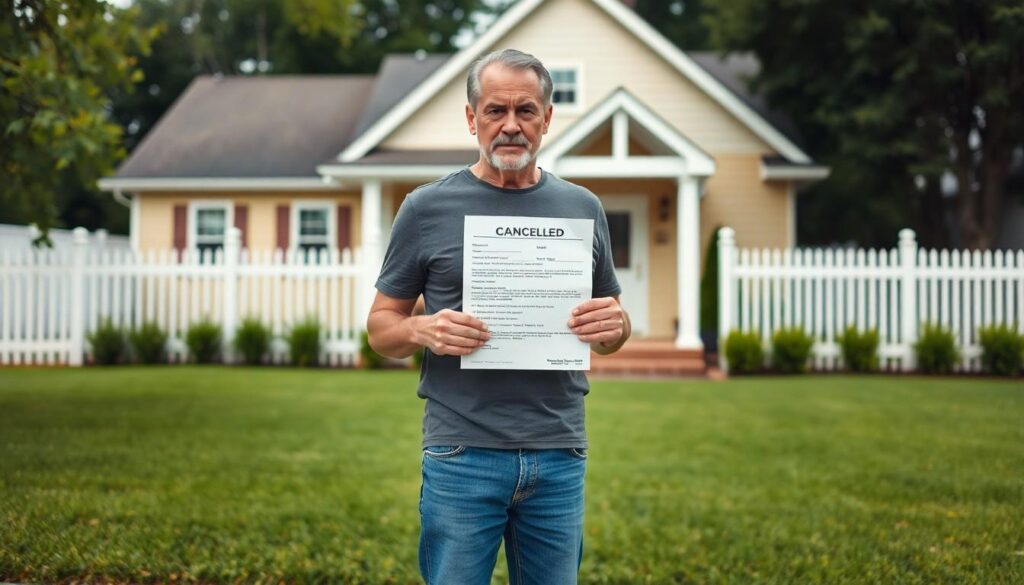
The cancellation of homeowners insurance significantly affects mortgage payments and the overall financial standing of homeowners. Lenders impose stricter conditions and modifications when insurance is not maintained.
Increased Risk For Lenders
Increased risk for lenders leads to changes in mortgage terms. Without homeowners insurance, the financial protection against property loss diminishes. Consequently, lenders face potential losses if the property incurs damage. Higher risk often prompts lenders to enforce stricter loan conditions or require additional fees. Some lenders may mandate forced-placed insurance, which offers minimal coverage at inflated rates. They might also evaluate other financial aspects, potentially leading to increased interest rates for homeowners.
Potential Cost Increases For Homeowners
Cost increases for homeowners become inevitable if homeowners insurance is cancelled. They may encounter higher premiums when seeking new insurance, as a cancellation indicates greater risk. Lenders might raise monthly mortgage payments to mitigate the perceived risk associated with an uninsured property. Additionally, homeowners face potential out-of-pocket expenses in case of property damage without insurance coverage. Those forced into alternative insurance plans typically experience increased costs with limited benefits, complicating their financial situation further.
Steps Homeowners Should Take
Homeowners facing cancellation of their insurance policy must act quickly to avoid complications with their mortgage.
Contacting The Lender
First, homeowners should contact their lender immediately. Discuss the situation to understand implications for their mortgage. Transparency helps build trust and may facilitate problem resolution. Lenders often provide guidance on available options to maintain coverage. Open communication can result in leniency regarding payments or a temporary grace period. Failing to inform the lender about the cancellation may lead to forced-placed insurance, which carries higher costs. Awareness of lender-specific requirements is essential for navigating this challenge smoothly.
Finding Alternative Coverage
Exploring alternative insurance options becomes crucial after a cancellation. Start by researching different insurance companies and comparing quotes. Highlighting key information like coverage limits and deductibles allows for better decision-making. Many companies offer specialized policies for high-risk homeowners. Consulting with an insurance agent might reveal tailored solutions that fit unique needs. Coverage gaps may need filling to ensure adequate protection against potential hazards. Promptly securing a new policy minimizes risks associated with mortgage non-compliance and financial strain.
Implications For Credit Score
Losing homeowners insurance can significantly impact a homeowner’s credit score. Insurers and lenders often view homeowners who cancel their policies as higher risks. This perception can lead to lower credit scores, especially if mortgage payments are affected.
How Cancellation Affects Credit
Cancellation of homeowners insurance can prompt mortgage lenders to report the change to credit bureaus. A mortgage is typically considered secured debt, and when homeowners lack insurance, lenders may perceive it as a default risk. This perception can result in negative entries on credit reports, leading to a drop in credit scores. Additionally, if forced-placed insurance occurs, higher premiums may lead to missed mortgage payments, which further damage credit scores.
Mitigating Negative Effects
Homeowners can take specific actions to mitigate the negative effects of insurance cancellation. Communicating proactively with lenders to explain the situation is essential. Maintaining regular payments can also help prevent lapses in credit reporting. Seeking alternative insurance options quickly minimizes periods without coverage. Shopping around for effective policies will contribute to regaining stability and confidence in financial dealings. Engaging with financial advisors or insurance agents can provide tailored guidance, helping navigate this challenging situation.
Legal Considerations
Understanding the legal implications of losing homeowners insurance is crucial for homeowners. This situation can lead to significant challenges involving mortgage obligations.
Understanding Your Rights
Homeowners possess certain rights when it comes to their insurance. They can demand clear communication regarding their mortgage status if insurance gets canceled. Legally, lenders must inform homeowners about changes in mortgage terms due to canceled insurance. It’s critical to remain informed about potential financial impacts that insurance cancellation might bring. Homeowners may also dispute unfair practices if forced-placed insurance is implemented without adequate notice. Seeking legal assistance can help clarify rights and ensure protections remain intact.
State-Specific Regulations
State laws greatly influence homeowners’ insurance requirements. Many states mandate lenders to provide specific notices before making changes related to insurance. These regulations can vary significantly. Homeowners must familiarize themselves with their state’s regulations to understand their rights better. Some states even enforce limits on forced-placed insurance premiums. Consulting with local legal experts ensures homeowners remain compliant while protecting their rights during any insurance disputes. Awareness of these regulations aids in making informed decisions regarding mortgage and insurance management.
Homeowners insurance is crucial for protecting both homeowners and lenders. When a policy is canceled homeowners face potential financial repercussions that can extend beyond immediate costs. Lenders may impose stricter terms or additional fees due to increased risk which can complicate mortgage management.
It’s vital for homeowners to act quickly if their insurance is canceled. Open communication with lenders can help navigate the situation and may provide options to mitigate financial strain. Exploring alternative insurance policies promptly can also safeguard against further complications. Understanding the implications of losing homeowners insurance is essential for maintaining financial stability and protecting one’s property.