
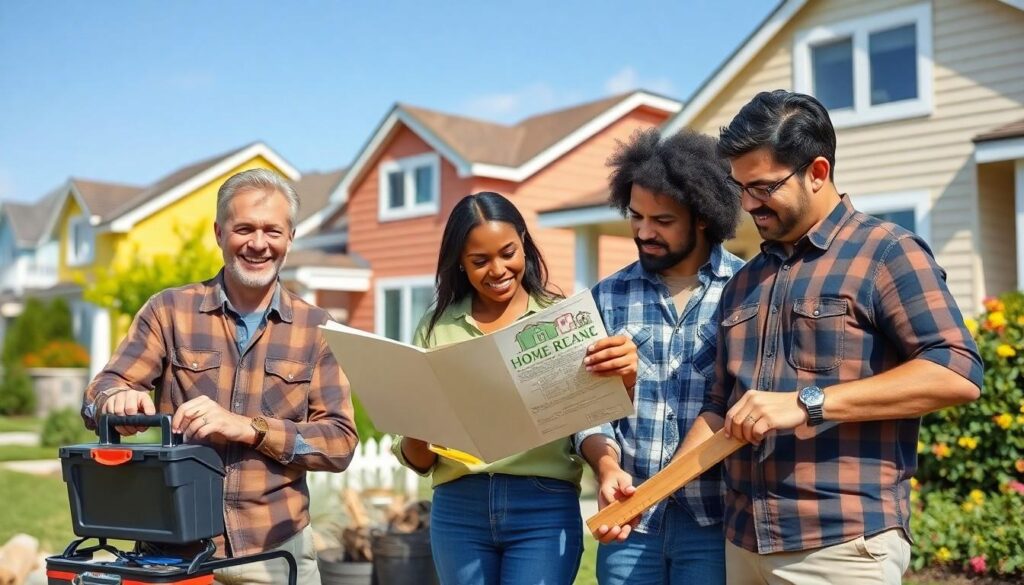
Owning a home can feel like a never-ending adventure, complete with unexpected plot twists and a few too many trips to the hardware store. From fixing a leaky faucet to navigating the maze of property taxes, homeowners face a unique set of challenges. Luckily, there’s a treasure trove of resources out there to help turn those daunting tasks into manageable ones.
Whether it’s DIY tips, financial advice, or maintenance hacks, these resources can save homeowners time, money, and maybe even a little sanity. So, grab your toolbox and get ready to dive into a world where homeownership becomes less of a chore and more of a joy. After all, who said owning a home couldn’t be fun?
Understanding Homeowners Resources
Homeowners resources serve as essential tools that assist individuals in managing their properties effectively. These resources encompass a wide range of information, services, and products aimed at simplifying homeownership tasks.
Definition of Homeowners Resources
Homeowners resources include guides, articles, tools, and services tailored to address the unique challenges of owning a home. Examples span from DIY repair tutorials and maintenance checklists to financial planning tools and local contractor databases. Each resource provides valuable insights and practical solutions, making it easier for homeowners to navigate their responsibilities.
Importance for Homeowners
Homeowners must utilize available resources to enhance property management. These resources help save time and money while ensuring that homes remain in good condition. Accessing financial advice can improve budgeting and investment decisions. Similarly, maintenance tips can prolong a home’s lifespan and prevent costly repairs. Relying on community support connections strengthens local networks and fosters collaboration among neighbors.
Types of Homeowners Resources

Homeowners can access a variety of resources tailored to meet their needs. These resources cover different aspects of homeownership, from financial assistance to educational opportunities.
Financial Assistance Programs
Numerous financial assistance programs support homeowners. Grants and loans help mitigate repair costs or make necessary renovations. For example, the Federal Housing Administration provides options like the 203(k) loan for home improvements. State and local programs often offer low-interest loans for energy efficiency upgrades or disaster assistance. Understanding eligibility requirements is crucial, as they may vary by location, income, and project type. Homeowners can check resources like the U.S. Department of Housing and Urban Development for comprehensive listings of available programs.
Educational Resources and Classes
Various educational resources equip homeowners with essential skills. Workshops teach topics such as maintenance, renovation, and energy efficiency. Local community colleges and non-profit organizations often host these classes. Online courses provide flexibility, covering everything from basic plumbing to landscaping. Homeowners can find valuable information through websites like the National Association of Home Builders, which offers resources on best practices and trends for homeowners. Using these resources enhances knowledge, building confidence in home management.
Government and Non-Profit Organizations
Several government and non-profit organizations offer resources and support to homeowners. These entities provide various programs and assistance options that can alleviate financial burdens and enhance home management skills.
Local Government Programs
Local governments often administer programs designed to aid homeowners. Grants support renovations and repairs, especially for low-income families. Programs like property tax assistance help mitigate financial impact. Homeownership education workshops offered by local housing authorities empower residents with crucial maintenance skills. Information regarding eligibility and application processes for such programs typically exists on official city or county websites.
National Non-Profit Organizations
National non-profit organizations play a vital role in promoting homeownership through various initiatives. Organizations such as Habitat for Humanity contribute by providing affordable housing solutions. They offer home repairs and renovations for qualified families. The National Association of Realtors’ Community Outreach program connects homeowners with valuable resources to navigatethe challenges of homeownership. Many of these non-profits also provide educational resources, ensuring homeowners acquire essential knowledge about maintenance and financial management.
Online Resources and Tools
Homeowners can access a plethora of online resources and tools to simplify property management. These platforms provide essential information to navigate challenges effectively.
Websites for Homeowners
Numerous websites cater specifically to homeowners’ needs. HomeAdvisor connects individuals with local contractors for home repairs and renovations. Zillow offers resources for home buying, selling, and property market analysis. The Spruce provides expert advice on home improvement, décor, and gardening. Additionally, HGTV features design ideas and DIY projects ideal for any homeowner. These websites serve as comprehensive guides for managing homeownership efficiently.
Mobile Applications for Home Maintenance
Mobile applications also play a vital role in home maintenance. TaskRabbit connects homeowners with professionals who handle various tasks, from cleaning to furniture assembly. HomeSnap allows users to identify home values and projects through its innovative photo feature. MyHome provides a platform for managing maintenance schedules and tracking expenses. Home Maintenance Pro helps homeowners organize tasks and reminders for upkeep. Utilizing these apps enhances efficiency and ensures homes remain in top condition.
Community Support and Networking
Building connections within the community enhances the homeownership experience. Homeowners can find support and resources to navigate challenges together.
Homeowners Associations
Homeowners associations (HOAs) play a crucial role in community cohesion. Many subdivisions and condominiums utilize HOAs to manage shared amenities and enforce community rules. Members often benefit from collective decision-making on property maintenance and improvements. Furthermore, HOAs usually organize neighborhood events, fostering relationships among residents. Participation in these associations enables homeowners to voice concerns and stay informed on local issues, enhancing a sense of belonging.
Local Support Groups
Local support groups provide a valuable space for homeowners facing similar challenges. Many organizations focus on specific issues, such as finance management or home improvement projects. Networking opportunities within these groups lead to shared tips and solutions, facilitating collective problem-solving. Accessible resources may include workshops and meetups that connect homeowners with experienced individuals. Engaging in these support groups empowers homeowners to build lasting relationships while honing their skills in property management.
Homeownership can be a fulfilling journey when equipped with the right resources. By utilizing various tools and support systems, individuals can tackle challenges more confidently. From financial assistance programs to online tutorials, these resources not only save time and money but also enhance homeowners’ skills and knowledge.
Building connections within the community further enriches the experience, providing valuable support and collaboration. Embracing these resources empowers homeowners to transform their properties into cherished spaces while navigating the complexities of ownership with ease.


