Table of Contents
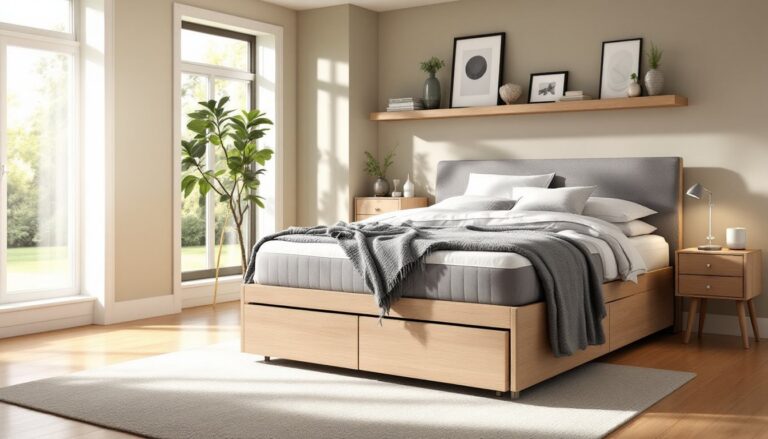
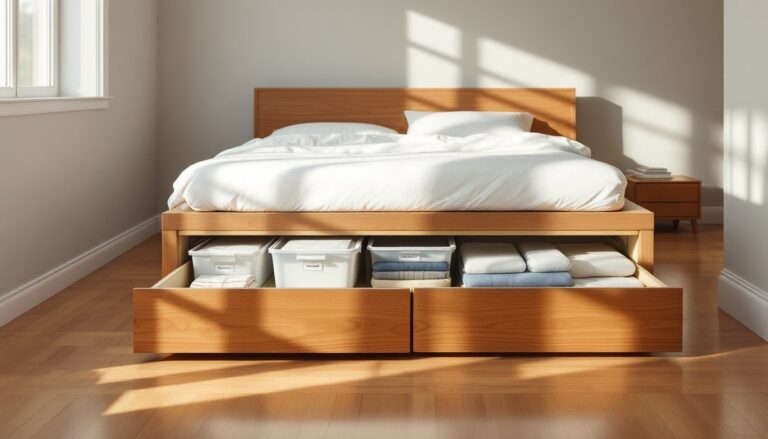
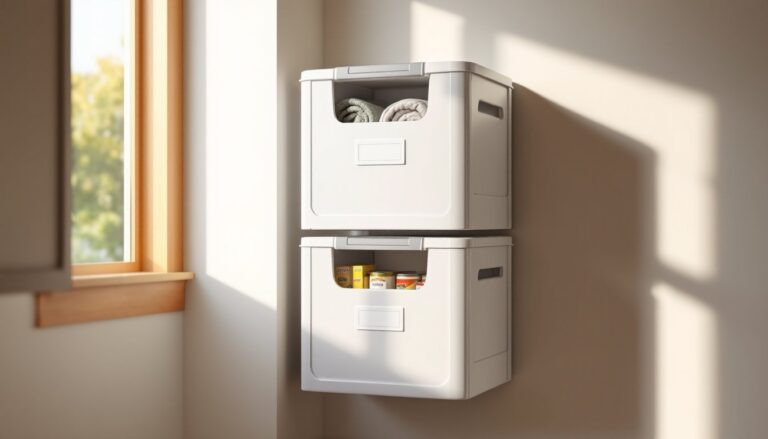
ToggleSmall bedrooms don’t have to feel cramped. The trick isn’t renovating the room itself, it’s making smart use of wall space. Bedroom wall storage ideas that work with vertical real estate can double your usable storage without eating up floor space where you need to move around. Whether you’re dealing with a compact apartment, a guest room, or just want to reclaim nightstand clutter, there’s a wall storage solution that fits your bedroom layout and style. Let’s walk through the most practical options that actually work.
Key Takeaways
- Bedroom wall storage ideas maximize vertical space to double usable storage without consuming floor space needed for movement.
- Floating shelves require proper installation into wall studs or heavy-duty anchors and can support 25–50 pounds when correctly mounted.
- Wall-mounted cabinets hide clutter while keeping items accessible when installed 12–18 inches above furniture at 54–66 inches from the floor.
- Pegboards and wall grids offer customizable, flexible organization for lightweight items like accessories, cords, and craft supplies with easy reconfiguration.
- Over-the-door organizers and adhesive hooks provide instant storage solutions for small bedrooms without wall modification or installation tools.
- Built-in shelving and woven baskets offer premium, long-term storage solutions that add visual warmth and significantly increase bedroom organization capacity.
Floating Shelves: Stylish and Functional
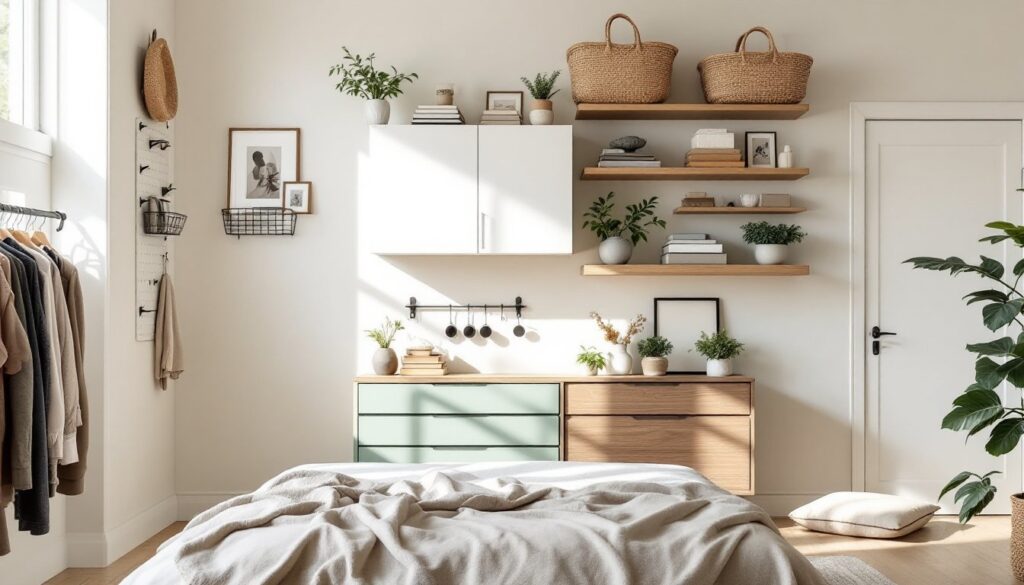
Floating shelves are the go-to for a reason, they’re clean, adaptable, and don’t require a permit. Unlike traditional shelves with visible brackets, floating shelves appear to hang directly from the wall, giving your bedroom a modern, uncluttered look.
Installation and support matter here. You’ll need to locate wall studs (16 or 24 inches on-center in most homes) or use heavy-duty toggle bolts or expandable anchors if studs don’t line up where you want shelves. A floating shelf typically supports 25 to 50 pounds when properly installed, depending on its length and your wall type. Drywall alone won’t hold that weight, you need to anchor into studs or use the right hardware.
Measure twice before drilling. Use a stud finder to mark locations, then mark your shelf mounting points with a pencil. A level is non-negotiable: shelves that slope even slightly look sloppy and items will slide. Install the mounting brackets, slide the shelf on, and secure it with screws into the brackets.
Floating shelves work best for displaying books, framed photos, or lightweight decorative items. If you’re storing heavier things, folded sweaters, storage boxes, check the shelf weight rating and don’t exceed it. They’re visible storage, so what you put on them affects the room’s visual feel.
Wall-Mounted Cabinets for Hidden Storage
When you want items out of sight, wall-mounted cabinets deliver. These sit higher than eye level and hide clutter while keeping everything within reach. Unlike open shelving, cabinets protect contents from dust and give your bedroom a finished, intentional look.
Cabinet depth and placement are key decisions. Standard wall cabinets are 12 inches deep, but shallower 8-inch options exist for tight spaces. Install them 12 to 18 inches above furniture (a desk, dresser, or bed) so they don’t feel oppressive. Always anchor into studs: cabinets loaded with winter clothes, extra bedding, or shoes are heavier than they appear.
Mounting height matters for accessibility and aesthetics. Most wall cabinets sit at 54 to 66 inches from the floor, putting the top edge near eye level or slightly above. This keeps the upper wall from feeling too heavy and prevents you from straining to reach contents. If you’re shorter, adjust downward: if you’re taller, you can go higher.
Wooden storage cabinets with doors and shelves maximize hidden organization. Look for options with adjustable shelves inside so you can adapt to what you’re storing, shoe boxes, fabric bins, rolled blankets, or off-season clothing. Measure the wall space carefully and check for outlets or light switches before you commit to a location.
Pegboards and Wall Grids for Customizable Organization
Pegboards and wall grids put you in control. You arrange hooks, shelves, and baskets exactly where you want them, and you can reconfigure as your needs change. They’re especially useful for storing accessories, small bins, cords, or craft supplies.
A standard pegboard is ¼-inch thick hardboard with holes spaced 1 inch apart. Pegboard hooks come in countless styles, simple straight hooks, double hooks, L-brackets, basket holders, shelves, and specialized hangers for specific items. For a bedroom, you’re usually hanging lightweight items, so standard hooks work fine.
Installation is straightforward but prep is critical. Mount pegboard with spacers behind it so hooks can slide in and out easily. Install horizontal supports at the top and bottom by anchoring into studs with lag bolts or wood screws. Leave ¼ inch or so between the wall and pegboard. Use a level and make sure it’s dead square or your grid will look crooked.
Wall grids (metal or plastic lattice systems) work similarly. They’re often more stylish and come in various finishes, white, black, natural metal. Both pegboards and grids are excellent if you want flexibility. You can change what hangs where without new holes or damage.
Over-the-Door Organizers and Hooks
The back of your bedroom door is wasted real estate. Over-the-door organizers, hooks, and racks use that space without affecting the room’s footprint, a huge win for small bedrooms.
Over-the-door shoe organizers hold up to 20 pairs in a 24-pocket design, perfect for storing shoes, purses, scarves, or small items. They hang from the top of a standard interior door (usually 80 inches tall) using a hook that fits over the door’s edge. Installation takes one minute and requires zero tools. The weight distributes across the door, so a door hinge easily supports it.
Hooks are even simpler. Install them on the door itself (back or front, depending on your bedroom layout) or on the inside edges of the door frame. Use adhesive hooks if you rent: if you own, small wood screws work for permanent placement. Hooks are perfect for hanging robes, belts, a weekend bag, or a laundry basket.
One caveat: these solutions are best for lightweight items. A fully loaded shoe organizer weighs more than you’d think, and the door will feel heavier when you swing it. Don’t hang so much that opening and closing becomes difficult. Home storage hooks can maximize your use of vertical space without complicated installation.
Wall Baskets and Woven Storage
Wall baskets combine function with visual warmth. Woven seagrass, rattan, or wire baskets soften a room while holding folded blankets, scarves, lightweight shoes, or fabric-wrapped items. They’re gentler on the eye than hard plastic or metal storage.
Installation depends on the basket type. Wire wall baskets usually have hangers on the back that you screw directly into the wall or into studs. Woven baskets are lighter: you can use heavy-duty adhesive strips if you don’t want wall holes, or bracket-based hangers for extra security. If your baskets hold more than 10 pounds, anchor into studs or use toggle bolts.
Arrange baskets in a grid or staggered pattern depending on your aesthetic. Baskets aren’t hidden storage, they’re part of the room’s decor, so think about color, texture, and how full you keep them. Overstuffed baskets look messy: well-organized ones contribute to a calm, intentional look.
Woven baskets work especially well for hanging storage solutions because they add texture and warmth that hard plastic or metal can’t match. Label the baskets if others use the room, so everyone knows where things go.
Built-In Shelving and Nook Solutions
If you’re staying long-term and want to invest in your bedroom, built-in shelving is the premium option. Whether it’s shelves flanking a window, filling an alcove, or wrapping a corner, built-ins feel custom and significantly increase storage capacity.
Built-ins require some carpentry skills or a contractor. You’re building a frame from studs and lumber, securing it to the wall, and installing shelves inside. The difficulty depends on your carpentry comfort and whether the space is straightforward or has angles and obstructions. Many people find DIY furniture plans helpful as a starting point, though built-ins often need customization for your specific wall.
Permits may be required if you’re modifying walls or adding weight-bearing elements. Check with your local building department, especially in rental situations. If you own, built-ins add value and are a lasting solution to bedroom clutter.
Consider your shelving depth carefully. Deeper shelves (12 inches) hold more but can feel bulky in small spaces. Shallower shelves (8 or 10 inches) are lighter visually and work for books, decorative objects, and storage boxes. Space-saving tiny home storage solutions show how maximizing vertical space transforms compact rooms.
Conclusion
Bedroom wall storage doesn’t require renovation or a big budget. Floating shelves, cabinets, pegboards, hooks, baskets, and built-ins each solve different storage problems and fit different spaces. Start by identifying what you actually need to store, where it makes sense to store it, and how much weight your chosen wall can support. Measure carefully, anchor properly, and you’ll transform your bedroom from cramped to organized without losing an inch of floor space.